


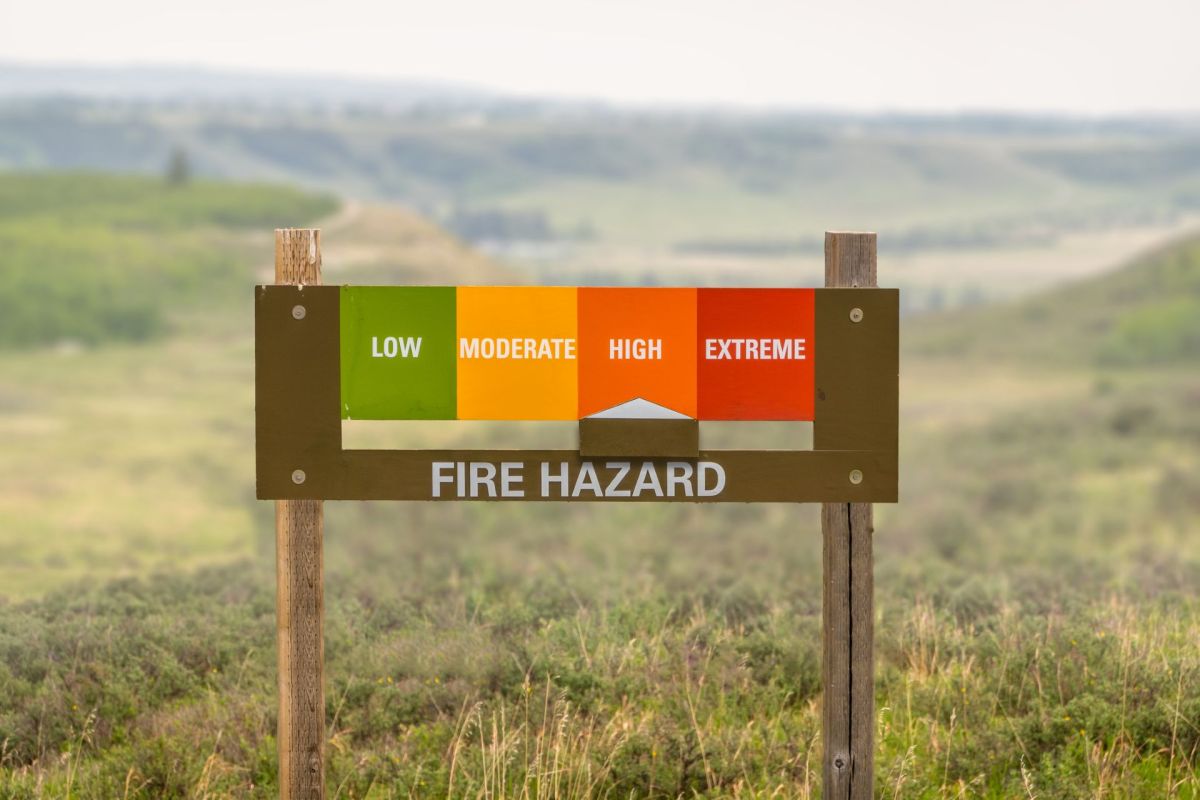
Triple-digit heat gripped inland Southern California for multiple days, bringing dangerous temperatures and heightened wildfire risk across dry mountain and valley communities.
According to the National Weather Service, a heat advisory covering the San Gabriel, Santa Clarita, and Antelope valleys, as well as the western San Fernando Valley, was set to begin at 10 a.m. Aug. 18 and remained in place until at least 8 p.m. Aug. 20, as reported by MyNewsLA.
Here's what to know
The hottest part of the stretch was expected to arrive Aug. 19 and Aug. 20, when inland temperatures were forecast to top out between 92 and 105 degrees.
Relief at night was limited, with temperatures only falling into the upper 60s and low 70s at lower elevations and remaining in the mid-70s to low 80s in foothill and mountain areas.
Beach communities were spared the worst of the heat because the marine layer was expected to keep immediate coastal temperatures more moderate, while inland areas faced a more dangerous mix of heat and very dry air.
In brush-covered areas that can dry out quickly during prolonged heat, forecasters said conditions were supportive of elevated fire weather and warned of an "increased risk for large plume-dominated fire behavior."
TCD Picks » Quince Spotlight
💡These best-sellers from Quince deliver affordable, sustainable luxury for all




The National Weather Service said no major wind event was expected, but added that "the increasing northerly pressure gradient will allow for gusty north to northwest winds are likely each night across the interior mountains (especially the Grapevine)."
More background
Inland afternoons above 100 degrees can lead to higher cooling bills, particularly for households already facing steeper summer electricity costs, and unusually warm nights can reduce the body's ability to recover from daytime heat.
Low humidity, dry brush, and gusty nighttime winds can cause even smaller fires to spread more quickly, increasing the chances of outages, strained emergency response systems, and precautionary power shutoffs in at-risk communities.
Worsening extreme weather disasters endanger lives and livelihoods by putting public health, community safety, and economic stability under pressure simultaneously. Heat can trigger dehydration, exhaustion, and life-threatening illness, while wildfire danger threatens homes, jobs, infrastructure, and access to reliable electricity.
For workers, seniors, and households without effective cooling, these events can quickly become both a medical and financial emergency.
What can be done?
To reduce the health risks, officials urged people to drink plenty of fluids, spend time in air-conditioned spaces when possible, avoid the sun during the hottest hours, and check on relatives and neighbors.
People can also reduce risk at home by closing blinds during the afternoon, limiting oven and dryer use during peak heat, and making a plan in case of smoky conditions or fire-related outages. For pet owners and parents, vehicle safety is critical during events like this.
Officials emphasized that children and pets should never be left in parked cars, even for a short time, because temperatures inside can become deadly very quickly.

Get TCD's free newsletters for easy tips, smart advice, and a chance to earn $5,000 toward home upgrades. To see more stories like this one, change your Google preferences here.







