


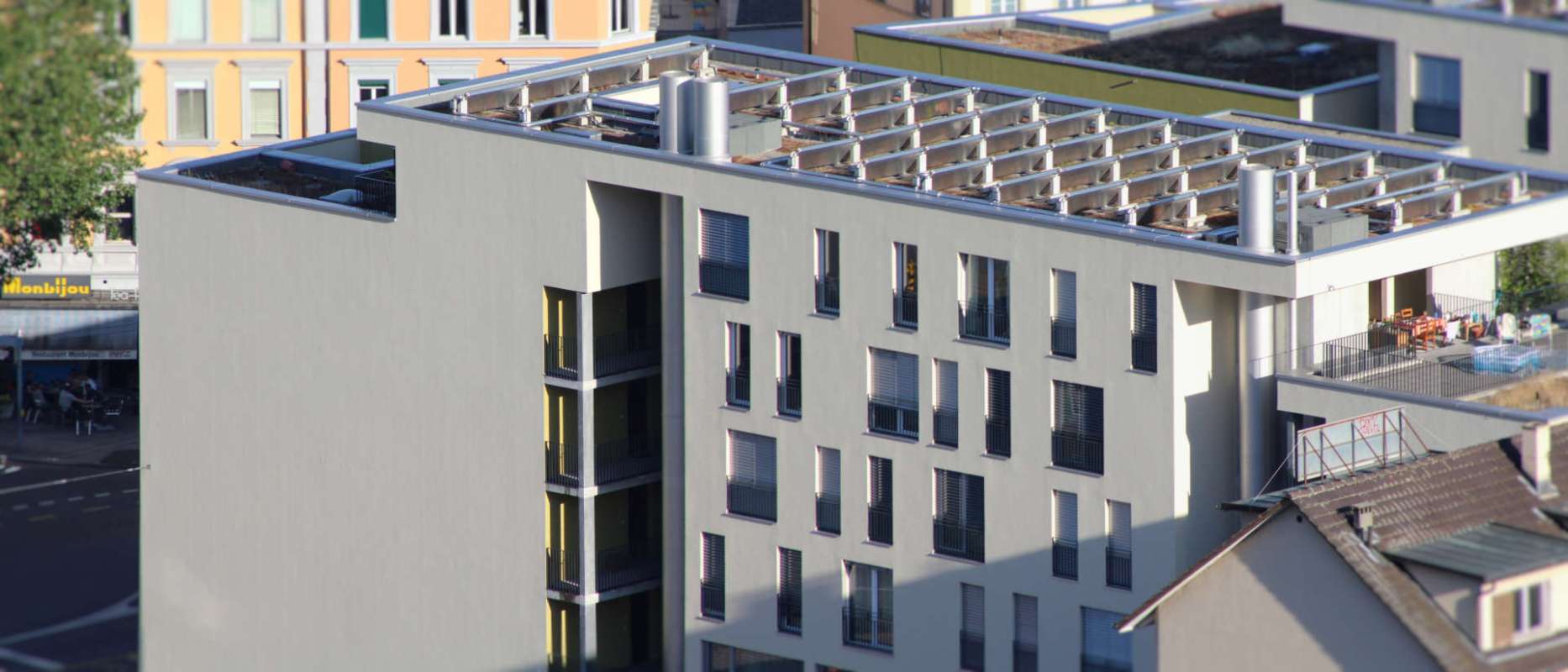
A Swiss rooftop solar installation that first fed electricity into the grid in 1982 is still producing power more than four decades later.
The equipment around the array has not lasted as well: the site has gone through five inverter replacements, even though 48 of its original panels continue to operate.
Here's what to know
In Canobbio, Switzerland, the TISO array entered service on May 13, 1982, with 288 panels totaling 10.6 kilowatts. By 2024, Autonoción reported that 48 of those original modules were still active, despite the system being reconfigured and moved to a different roof in 2008.
That long record highlights a difference between the durability of the panels and that of the surrounding electronics.
Researchers found that performance differences between stronger and weaker panels were tied to the encapsulant material sealed inside the module, not the brand name or listed wattage.
A 2017 analysis showed how large that gap could be: one group of panels degraded by an average of just 0.2% per year, while the worst material class had lost 26.1% of total power by 2017.
TCD Picks » Quince Spotlight
💡These best-sellers from Quince deliver affordable, sustainable luxury for all




More background
Many buyers treat a 25-year solar warranty as if it were a firm expiration date. In reality, that warranty is largely a promise about power output over a certain period, not proof that panels stop working once that timeline ends.
Solar panels can keep lowering utility bills for decades, and they help reduce the pollution that harms air quality and drives planet-warming temperatures.
Taken together, the findings suggest that long-term solar costs may hinge more on maintenance planning and replacement electronics than on the panels themselves.
As Autonoción reported, a broader Swiss study examined six systems dating from 1987 to 1993 and backed up that conclusion. It found average performance losses of about 0.24% per year, far below the 0.75% to 1% annual decline often cited in solar research.
What can be done?
When comparing quotes, buyers may want to ask installers about the expected life span of the inverter, how much a replacement would cost, and whether monitoring and labor are included.
It is also worth asking about the panel bill of materials, not just the brand name. The Swiss rooftop showed that small manufacturing choices can shape performance decades later.
Product warranties, workmanship guarantees, and service support may matter just as much as the efficiency number advertised on a spec sheet.
For cities and companies planning larger installations, the lesson is similar: Plan for inverter turnover, prioritize proven components, and evaluate operating costs over time.
The Swiss rooftop's 44-year history suggests that solar panels can keep working for a very long time, even if the surrounding parts need attention much sooner.

Get TCD's free newsletters for easy tips, smart advice, and a chance to earn $5,000 toward home upgrades. To see more stories like this one, change your Google preferences here.






