


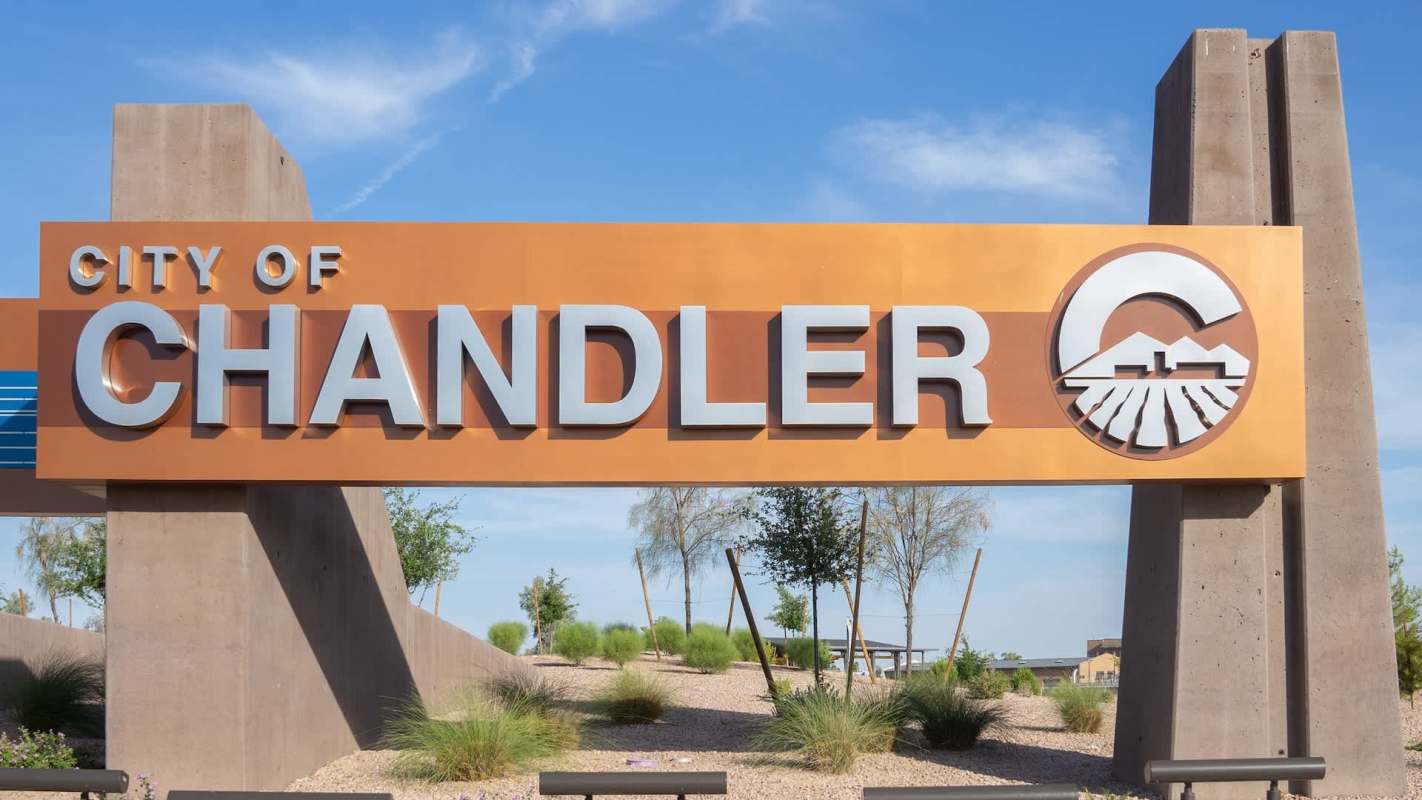
Beginning January 4, Chandler, Arizona, will again raise what residents pay for utility service, increasing charges tied to water, wastewater, and solid waste.
City officials said the change has been on the horizon since May and contend that Chandler customers will still compare favorably with households in other Valley cities.
Here's what to know
A typical Chandler utility bill is expected to move from $84 a month to $90 under the new rates, according to Chandler News. The same report said water and reclaimed water charges will increase 9%, wastewater rates 6.5%, and solid waste rates 4.5%.
Chandler officials said that average still comes in below the monthly utility bills reported in Peoria ($119), Scottsdale ($121), Tempe ($130), Phoenix ($135), Glendale ($148), Mesa ($163) and Gilbert ($179).
Budget and policy director Matt Dunbar said the increases should not come as a surprise because they were already built into the city's proposed budget.
"They have been in the proposed budget book that's been online since (May 1)," Dunbar said. "The financial outlook for utilities remains the same."
TCD Picks » Quince Spotlight
💡These best-sellers from Quince deliver affordable, sustainable luxury for all




More background
The city's method for setting utility rates has also shifted.
At one point, Chandler was trying to match each customer class more closely to the actual cost of providing service. A 2021 study found residential customers were paying too much, while industrial users were paying less than they should.
City leaders later backed away from that model after raising concerns about the size of the increases major business customers could face. Officials said that if those users turned to other water or wastewater options, the remaining customers could be left with higher costs.
Speaking during an Aug. 10 work session, Dunbar said Chandler now needs another cost-of-service study because the earlier one was based on assumptions that may no longer fit current conditions.
"There have been significant changes to operating costs; … unprecedented inflation; … the growth in different classification areas has changed," he said, per Chandler News.
He pointed to development patterns as one example: the city had expected more growth in single-family housing, but multi-family construction has been stronger instead, changing how utility costs are allocated among customers.
What's being done?
Officials said they want future increases to happen annually rather than every other year, which is intended to make the changes easier to handle.
The idea, city leaders said, is to avoid the steeper jumps residents have experienced before, including a 15% increase.
Dunbar said yearly increases can also keep costs somewhat lower because the city starts collecting revenue sooner and can manage expenses more gradually.
Officials also tied the higher rates to infrastructure needs. Much of the utility system was built in the 1980s and 1990s and is nearing the end of its lifespan, increasing maintenance and replacement costs.
Because the city operates utilities through an enterprise fund, customers are expected to pay the full cost of service. The city maintains a 20% operating reserve in each utility category as well, which helps support its Triple-A bond rating and provides a buffer during short-term emergencies.
City manager John Pombier said residents should understand the reason behind the increases.
"Our goal each year is not to surprise anyone," Pombier said. "We want a very transparent story provided to the community so they understand there's no ball being hidden here."

Get TCD's free newsletters for easy tips, smart advice, and a chance to earn $5,000 toward home upgrades. To see more stories like this one, change your Google preferences here.







