


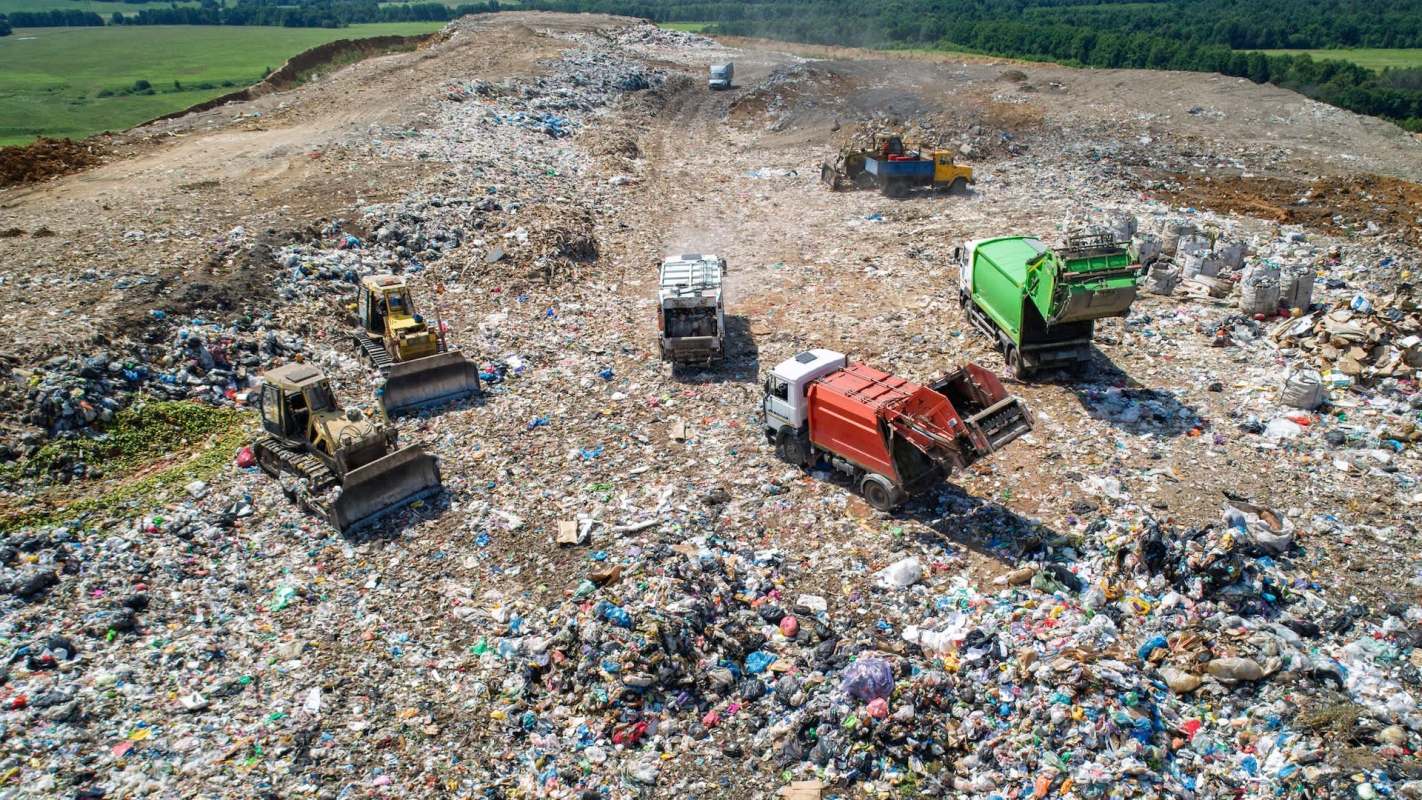
As landfill demand rises around Kansas City, a Douglas County advisory body is pushing officials to treat food scraps, paper, and yard waste as materials that can be reused instead of buried.
The Douglas County Food Policy Council said expanding composting could help reduce methane pollution, improve soil health, and potentially lower disposal costs over time, reported Lawrence Journal-World.
Here's what to know
A public hearing on September 9 will precede Douglas County Commission consideration of a new regional Solid Waste Management Plan for Douglas and Jefferson counties.
As that five-year update moves forward under Kansas Department of Health and Environment rules, the Douglas County Food Policy Council wants officials to prioritize organic waste diversion.
Both counties send waste to the Republic/Hamm Landfill in Jefferson County. Because other landfills in the Kansas City area are expected to shut down earlier, more trash could be redirected there, raising the possibility that the site reaches capacity before its permitted 2103 closure date.
Yard trimmings, brush, food waste, and other compostable material make up a notable portion of what gets thrown away locally.
TCD Picks » Quince Spotlight
💡These best-sellers from Quince deliver affordable, sustainable luxury for all




Douglas County reported about 112,200 tons handled for disposal or diversion in 2024, including 21,800 tons of yard waste or brush, and a separate Lawrence assessment estimated that organics account for nearly 40% of discarded material.
In a July 28 letter, the council said a major gap remains in the local waste system, writing, "[No] public infrastructure exists in our community for the recycling of organic waste produced by home kitchens, restaurants, institutional cafeterias, or any food production facilities."
More background
Composting changes what happens to discarded food and paper. Instead of generating methane as they decompose without oxygen in a landfill, those materials can be processed into nutrient-rich compost that helps build healthier soil and support local food production.
Healthier soil can improve water retention and resilience for farms and gardens, while expanded composting programs could help local governments avoid some rising landfill fees and contamination penalties.
For households and businesses, that could eventually mean easier ways to handle scraps and less waste going to the curb.
A 2023 regional evaluation looked at seven active landfills serving Kansas City and estimated the area has about 19 to 37 full years of landfill capacity left.
The two nearest state landfills, Johnson County and Rolling Meadows, are expected to hit capacity around 2043 and 2064, respectively, which could send even more waste toward Republic/Hamm.
The counties already have some diversion systems in place, including composting operations in Lawrence and Perry, along with sites that process yard waste.
But access remains uneven. Roughly 85% of Douglas County residents can use curbside recycling and yard waste pickup, while Jefferson County residents have far less access to curbside recycling.
What's being done?
The Food Policy Council is asking local governments to support composting programs or facilities, examine whether shifting organic material out of the trash could save money, and expand public education on composting, healthy soils, and waste diversion.
The solid waste plan also recommends several practical next steps over the next decade, including revising building codes so enclosures have room for trash and diversion services, reviewing Douglas County's recycling drop-off sites, considering agreements so unincorporated residents can use municipal yard waste drop-off programs, and watching for opportunities to expand food waste drop-off services.
Those efforts could make day-to-day waste sorting easier for residents while helping local governments manage costs and prepare for future landfill constraints.
The council said composting deserves a central place in planning for both waste handling and the local food system, rather than being treated as a marginal program.

Get TCD's free newsletters for easy tips, smart advice, and a chance to earn $5,000 toward home upgrades. To see more stories like this one, change your Google preferences here.








