


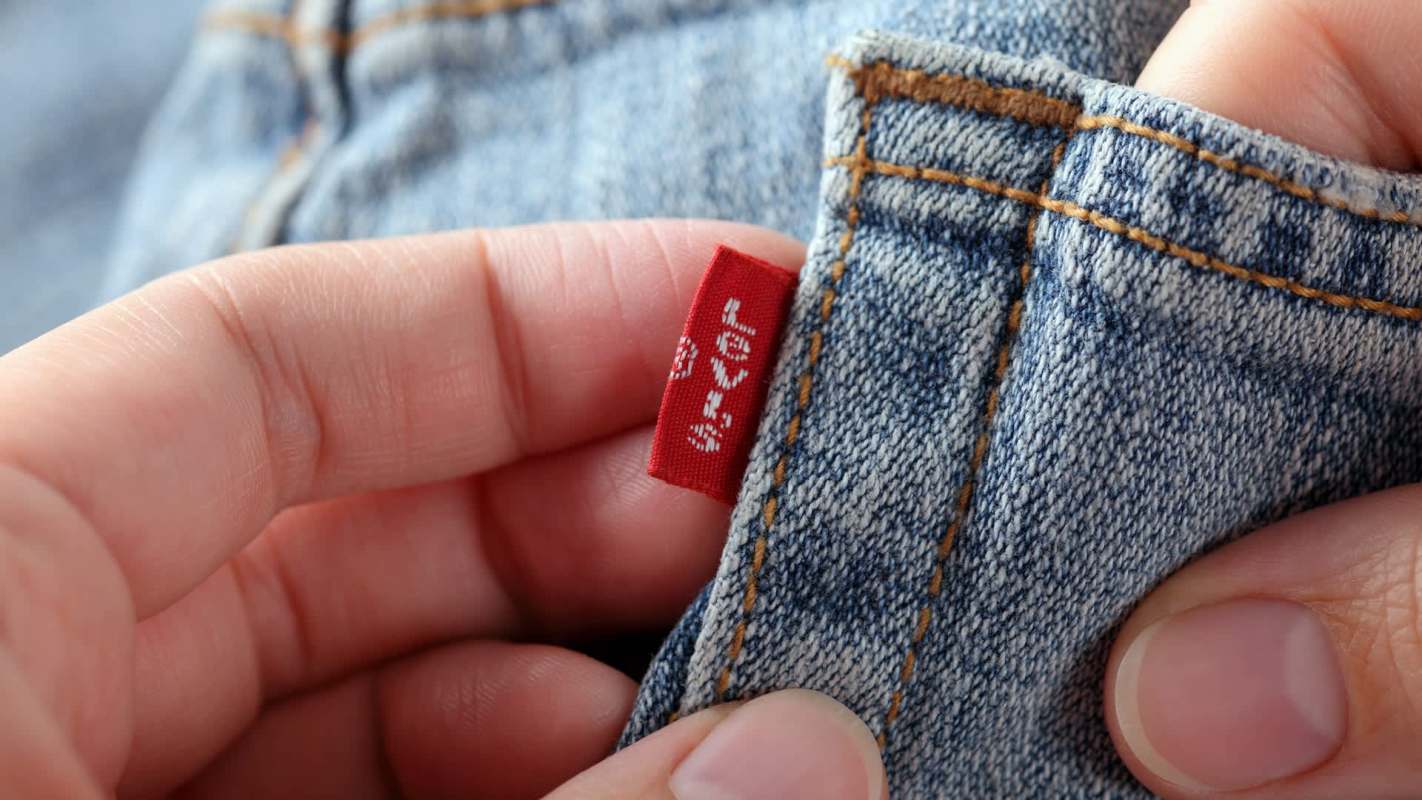
What once looked like a niche add-on for clothing brands is becoming more mainstream.
Levi's, Uniqlo, and Primark are among the companies using repair services and mending classes to reach Gen Z shoppers interested in saving money and reducing waste.
Here's what to know
At its core, the approach is about helping people wear their clothes longer rather than replacing them immediately. As NSJ reported, large apparel companies are expanding repairs, alterations, and sewing lessons as younger consumers show more interest in thrifting, resale, and sustainability.
Levi Strauss & Co. created a 90-minute hand-stitching class for high school students after concluding that many Gen Z shoppers who were drawn to secondhand clothing did not have basic sewing skills.
Students are taught four common fixes: sewing on a button, hemming, patching fabric, and repairing a tear.
"We think it's important to empower the people who buy our clothes with the skill sets to maintain them, to get them to that second life," said Paul Dillinger, Levi's head of global design innovation.
TCD Picks » Quince Spotlight
💡These best-sellers from Quince deliver affordable, sustainable luxury for all




That push is happening against a backdrop of enormous fashion waste. As NSJ noted, the United Nations Environment Program said the world throws away or burns textile waste at a pace equal to roughly one garbage truck full of fabric every second.
More background
Repairs and resale can shrink a garment's environmental footprint, especially when consumers delay or avoid buying something new. Still, the effect is limited if brands keep churning out huge amounts of fresh inventory.
NSJ pointed to data from the Ellen MacArthur Foundation, which found that between 2000 and 2015, global clothing production approximately doubled, even as the average garment was worn about 36% fewer times. The nonprofit also estimated that less than 1% of discarded clothing material was turned back into new apparel.
Gen Z, those born from 1997 to 2012, has also been a major force behind the growth of secondhand shopping. GlobalData, working with ThredUp, estimated that U.S. sales of preowned clothing have been expanding far faster than the wider retail apparel market.
Repair efforts can help retailers in more than one way. GlobalData retail analyst Neil Saunders said classes and repair services tap into "some deeper consumer needs and consumer behaviors at the moment."
He told NSJ, "It puts a halo on the brand."
What's being done?
Companies are experimenting with different models.
In 2022, Zara introduced a digital platform across 17 countries where shoppers can resell used clothing and request basic repairs or alterations.
Primark has put more emphasis on teaching skills, offering free "Love It For Longer" sessions that demonstrate how to replace buttons and zippers.
Uniqlo has expanded its aftercare options with repairs, embroidery, decorative sashiko mending, and restyling services.
Extending a garment's usable life can save shoppers money by cutting down on how often they need replacements.
Even so, some critics have said the environmental upside will stay modest unless brands also make less clothing overall.
Kate Fletcher, professor of sustainability, design and fashion systems at Manchester Metropolitan University, said, "The fashion sector's primary source of impact is due to the overproduction of pieces and growing volumes of garments created."
H&M Group, based in Sweden, has said repair and resale can still be worthwhile aims even though they may be tougher to turn into profitable businesses, since producing new clothing is often cheaper than prolonging the life of older items.

Get TCD's free newsletters for easy tips, smart advice, and a chance to earn $5,000 toward home upgrades. To see more stories like this one, change your Google preferences here.






