


By buying a 400-square-foot tiny home outright for $145,000, a Wisconsin retiree sharply reduced her housing costs without giving up the basics of daily home life.
She said the change now allows her to live comfortably on Social Security alone.
Here's what to know
Speaking in a home tour posted by Tiny Home Tours (@TinyHomeTours), Gail, a retired nurse, said that after nearly 30 years in a 1,500-square-foot townhome in Eagan, Minnesota, she decided it was time to downsize.
Once her daughter moved out, Gail said the extra room no longer felt necessary, particularly with association dues approaching $500 a month and property taxes running above $400.
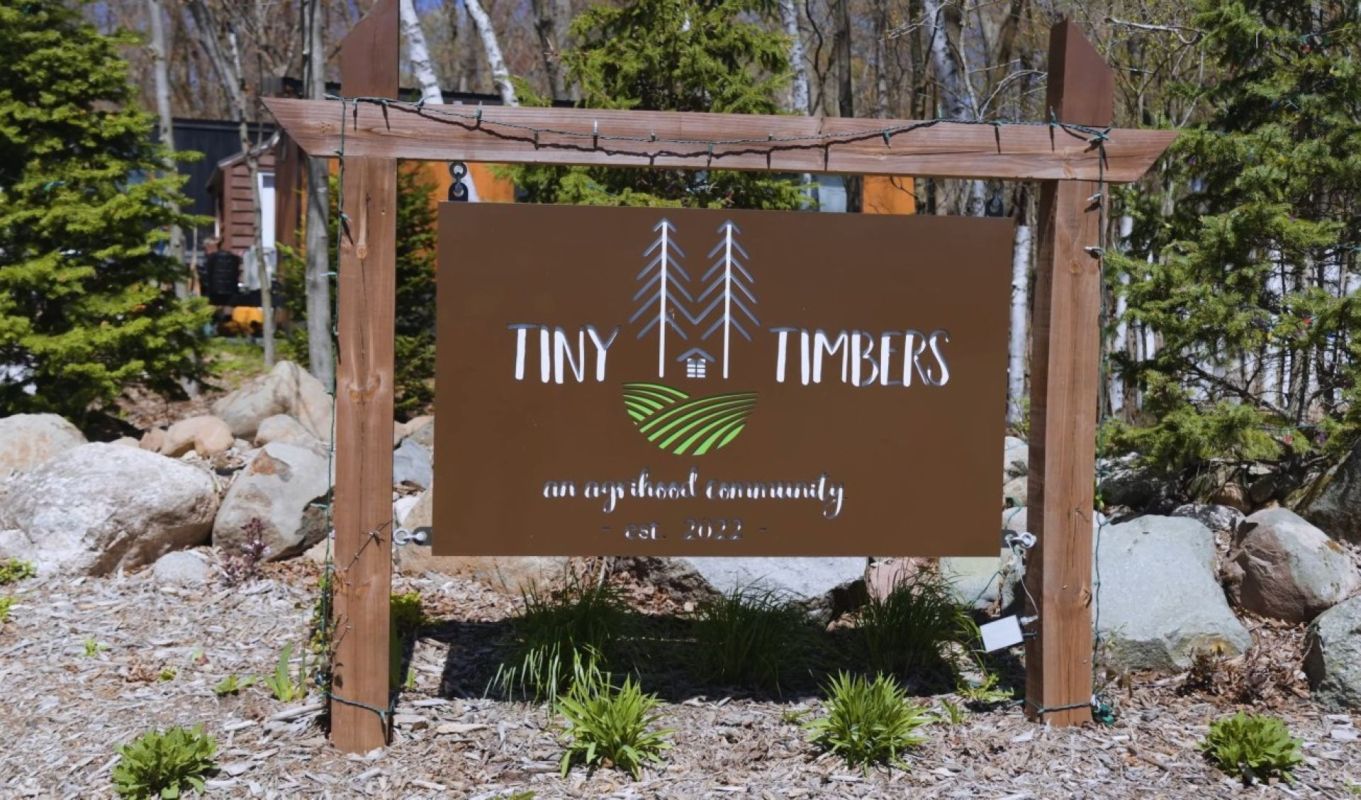
She ultimately chose Tiny Timbers, a Wisconsin tiny home community located about an hour-and-a-half from her daughter and near the farm country where she grew up.
Built by Wind River Tiny Homes, Gail's house is 10 feet wide and totals 400 square feet, with 300 square feet on the main level and another 100 square feet in a loft.
TCD Picks » Quince Spotlight
💡These best-sellers from Quince deliver affordable, sustainable luxury for all




Because she paid cash, she does not have a mortgage.
Her recurring costs are far lower than before: monthly lot rent is $495 and includes garbage, sewer, and recycling, while she said gas stays under $15 a month and electricity rose to about $80 to $90 during the coldest part of winter.
"I am living so comfortably on my social security," she said.
More background
The home is geared more toward function than traditional luxury, with a full kitchen, plenty of counter space, a farmhouse sink, built-in storage, an office nook, a roomy bathroom, and a daybed that serves as seating in the living room.
Among the compromises, Gail said she misses having a dishwasher "only a little," and she noted that appliance choices in tiny homes can be restrictive, especially for refrigerator size.
She also keeps the loft for storage rather than sleeping there because climbing steps at night is not ideal for her.
Part of the appeal is the community itself. Tiny Timbers has 16 homeowners and shared outdoor amenities, and Gail said the atmosphere there reminds her of the farm where she grew up.
One commenter captured the appeal this way: "This lady is happy and knows her finances better than anyone."
Tiny-home living is not a one-size-fits-all solution, especially for people who need more space, have mobility concerns, or live in places with restrictive zoning rules.
For some single adults and retirees, though, a smaller home can mean lower monthly bills, less upkeep, and more financial breathing room.

Get TCD's free newsletters for easy tips, smart advice, and a chance to earn $5,000 toward home upgrades. To see more stories like this one, change your Google preferences here.






