


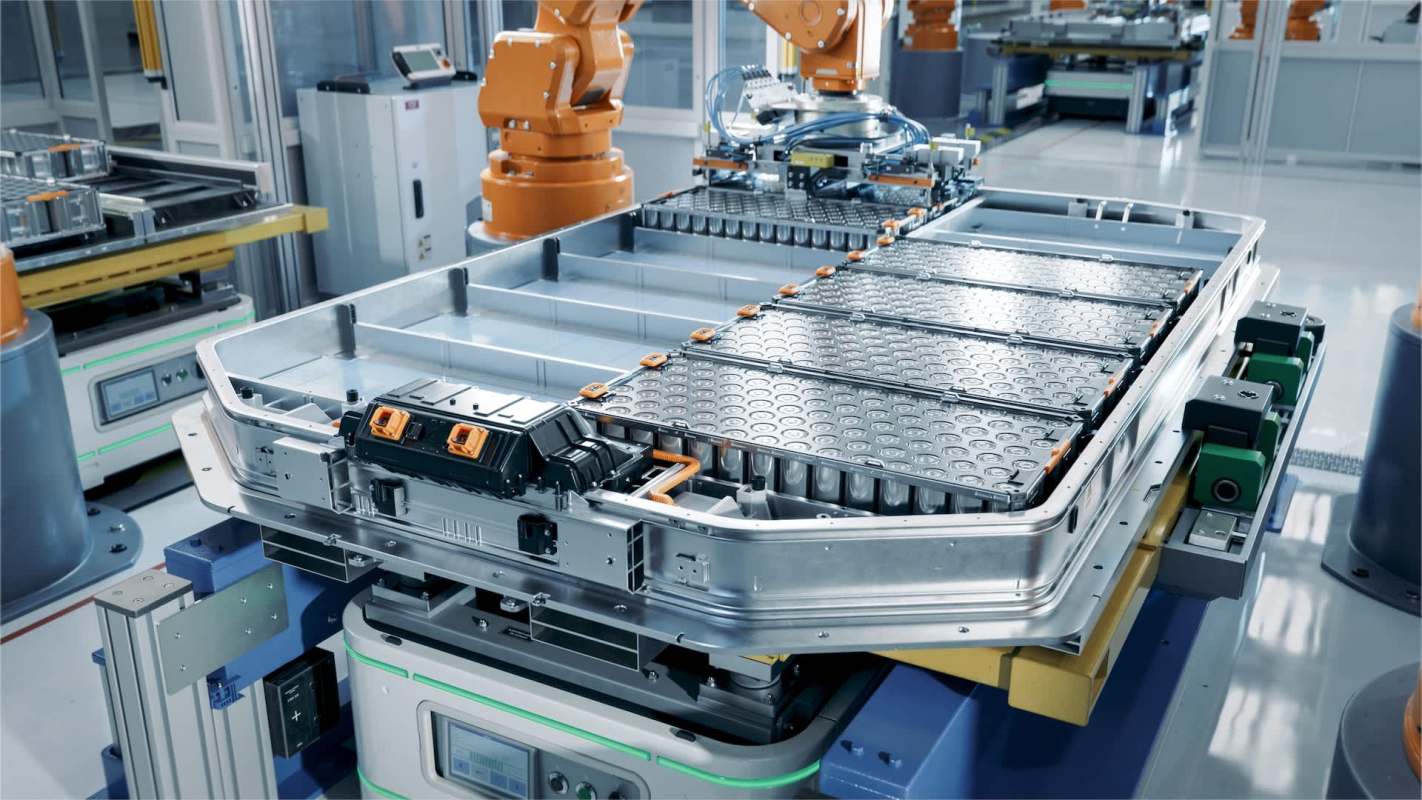
Two trends are converging for sodium-ion batteries: their energy density is climbing toward levels long associated with lithium packs, while pricing may again be shifting in sodium's favor.
Here's what to know
A review from researchers at the University of South Africa, Ethiopia's Bahir Dar University, and China's Shanghai University indicates sodium-ion development is moving faster than many watchers had expected.
In a YouTube video, EV-focused creator The Electric Viking (@electricviking) highlighted one of the key figures: leading sodium-ion prototypes are nearing 90.7 watt-hours per pound (200 watt-hours per kilogram).
Commercial batteries have not crossed that line yet. The figures put CATL's mass-produced NaXtra sodium-ion cells at 79.4 Wh/lb (175 Wh/kg), placing them near typical lithium iron phosphate, or LFP, cells, which usually come in around 72.6-81.6 Wh/lb (160-180 Wh/kg).
Estimated 2026 pricing put sodium-ion cells at about $50-56 per kilowatt-hour, versus roughly $52-55/kWh for LFP.
Cheaper cells can translate into lower costs for EVs, home batteries, and large-scale backup systems.
TCD Picks » Quince Spotlight
💡These best-sellers from Quince deliver affordable, sustainable luxury for all




"Sodium is everywhere," the creator said, "It's cheap. It's spread evenly around the planet, and it doesn't come with the geopolitical baggage that lithium, nickel, and cobalt do."
More background
For a long time, sodium-ion was mainly viewed as a battery chemistry for scooters or fixed storage rather than something practical for everyday passenger EVs.
That performance gap has tightened enough that sodium no longer looks excluded from wider transportation use.
The chemistry also offers some built-in advantages, including aluminum current collectors instead of copper and generally better thermal stability.
According to CATL, its cell retains 90% of its power at minus 40°F (minus 40°C).
Should that trajectory continue, sodium-ion could lower the cost of small and midsize EVs and strengthen backup power options for homes, businesses, and utilities planning for outages or harsh temperatures.
One commenter wrote, "Very excited to see sodium becoming a reality! Can't believe we are this close to seeing them come to market."
At the same time, both the researchers and the creator flagged familiar obstacles: higher self-discharge, additional mechanical strain due to sodium's larger ionic size, and a still-young supply chain for battery-grade sodium materials.
What's being done?
The technology is already moving into manufacturing. CATL has begun mass production of its NaXtra cell, while BYD and other companies are helping to expand the production base, which could drive costs down further over time.
Researchers, meanwhile, are trying to improve both electrolytes and electrode materials to raise ionic conductivity and maintain stability.
The roadmap still aims for 90.7 Wh/lb (200 Wh/kg) by 2028.
If sodium-ion becomes another credible battery option for automakers and energy companies, it could ease some strain on lithium-heavy supply chains and give buyers more pricing choices.
Quality could still be uneven in the early stages, with lower-grade sodium batteries posing reliability concerns and early products likely to differ by brand and testing history.
Still, as one commenter put it: "Just having reasonable options causes market development and improvements. It's an exciting time."
Another wrote, "Here in Canada we get some cold winters, the sodium battery could be a real advantage."

Get TCD's free newsletters for easy tips, smart advice, and a chance to earn $5,000 toward home upgrades. To see more stories like this one, change your Google preferences here.






