


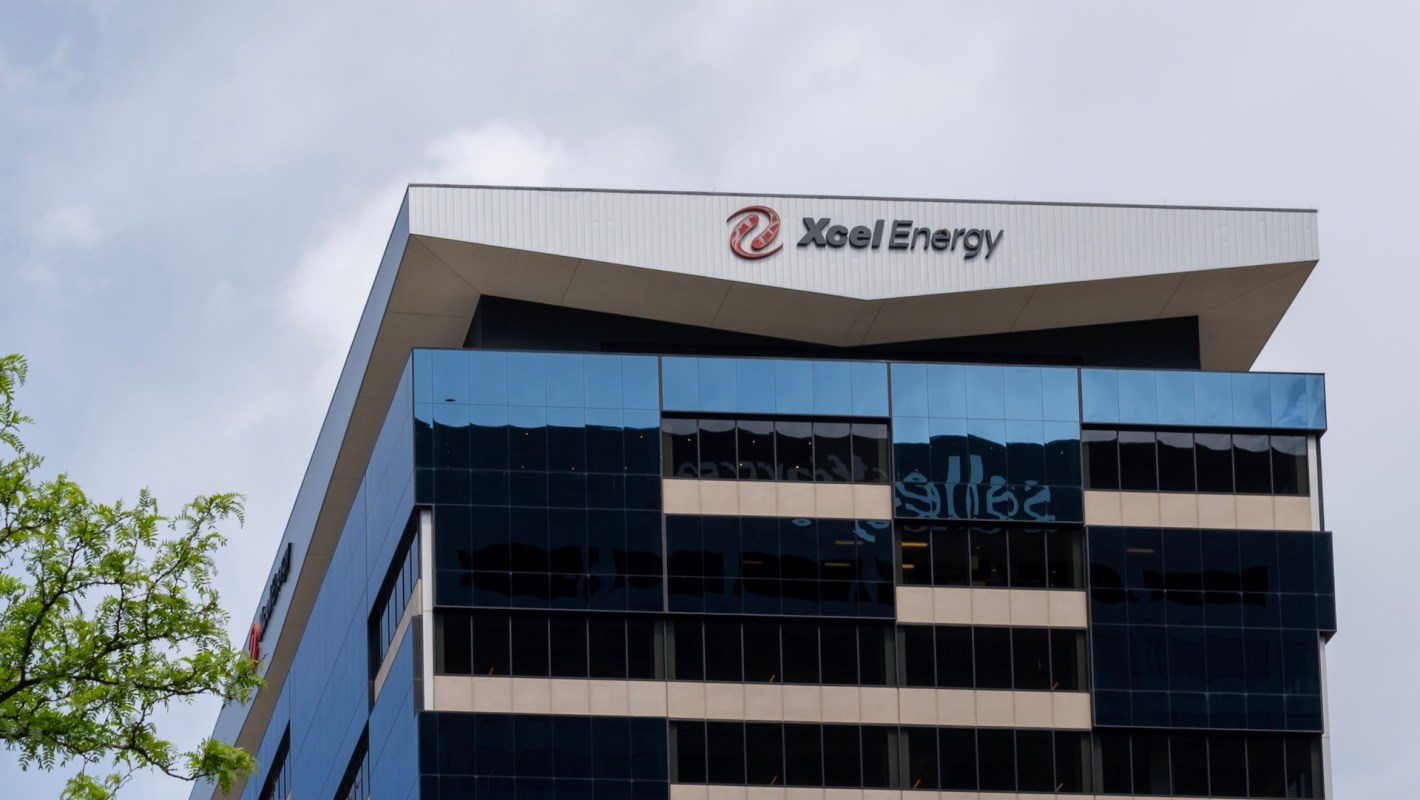
A Colorado woman says her utility company locked her thermostat during 100-degree heat, preventing her from lowering the temperature in her home even as she tried to make it more comfortable for her child.
The episode is drawing backlash over how an energy-saving program meant to reduce strain on the grid can leave customers with less control than they may expect when extreme heat hits.
Here's what to know
According to the New York Post, citing NBC affiliate 9 News, Kyri Baker — a University of Colorado Boulder assistant professor — tried to lower her thermostat from 79 degrees to 75 during a Colorado heat wave. Instead, she got a message from Xcel Energy that said: "To conserve energy in your community due to stress on the regional energy grid, you cannot set your temperature to be lower."
She was enrolled in Xcel's Saver's Switch program, which gives customers $40 per month in return for letting the utility adjust temperature settings and control the air conditioning during periods of high demand.
Baker said she had not understood that participating could mean losing the ability to change the thermostat herself. "I just wanted to set it to 75, something very reasonable so my daughter could fall asleep," she said.
On its website, Xcel says the program is usually used only a few summer days each year and can switch air conditioning off in 15- to 20-minute stretches. The company also states, "Most customers don't even notice when Saver's Switch is activated."
TCD Picks » Quince Spotlight
💡These best-sellers from Quince deliver affordable, sustainable luxury for all




More background
Baker said the temperature in her home was essentially stuck at 80 degrees, and she said restrictions like that could be hazardous for older adults and people with medical conditions.
The NY Post also noted Baker's civil and environmental engineering background and that extreme heat can make grid infrastructure work less efficiently even as electricity use rises because more people are running air conditioning.
The discussion is also part of a broader debate over acceptable indoor temperatures. Beginning Jan. 1, 2027, landlords in unincorporated parts of Los Angeles County will be required to keep rental units at no more than 82 degrees Fahrenheit, and the U.S. Department of Energy recommends setting thermostats between 75 and 78 degrees in summer.
What can be done?
For individuals, one of the simplest steps is to read the fine print before enrolling in a utility demand-response program and ask whether manual overrides are allowed.
For Baker, the larger issue is that families are being asked to absorb the consequences of an overstressed energy system inside their own homes. "It's literally not safe to have a utility not allow you to cool or heat your house to a certain degree," she said.

Get TCD's free newsletters for easy tips, smart advice, and a chance to earn $5,000 toward home upgrades. To see more stories like this one, change your Google preferences here.







