


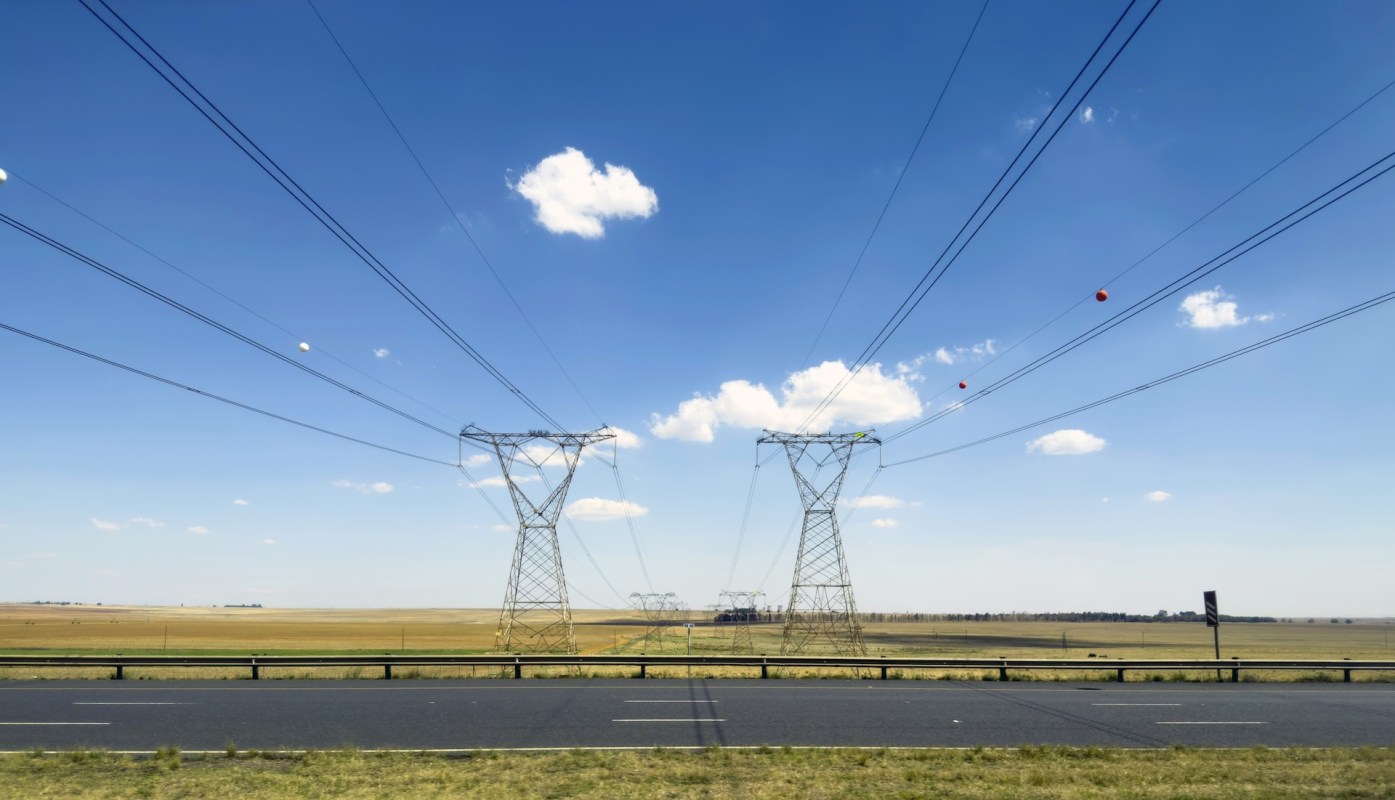
For families in West Virginia, Virginia, and Maryland, the fight over a proposed transmission line is about far more than utility infrastructure. Residents say the project threatens historic farmland, burial sites, schools, and the character of the communities they call home.
In some cases, opponents say the proposed route would come so close to daily life that staying put would no longer feel possible.
Here's what to know
According to NBC Washington, the proposed Valley North Project would run a high-voltage transmission line about 260 miles from Putnam County, West Virginia, to Frederick County, Maryland. At 765 kilovolts, the line would operate at the highest transmission voltage allowed in the United States.
Dominion Energy and two other utility companies are behind the project, the outlet reported, which would extend through 25 counties in three states and use eminent domain to establish a 200-foot-wide corridor.
Backers describe the line as a response to rising electricity demand linked to population growth, new industries, and technology-related needs.
But for many residents along the proposed routes, that explanation has done little to calm fears that their communities are being asked to shoulder the consequences of growth happening elsewhere.
TCD Picks » Quince Spotlight
💡These best-sellers from Quince deliver affordable, sustainable luxury for all




Among them is Bevin Lewis, whose family farm is older than the United States. She said to NBC Washington that one proposed route would run near her husband's grave.
"They're going right over where I just buried my husband, and I mean, literally this is going to make it so we can't live here anymore," Lewis told the outlet.
In Clarke County, Virginia, criticism has also focused on how close a route could come to schools and recreational areas. Valley North opponent Julie Baniowski told NBC Washington the line would run near "our soccer fields, our football fields, our baseball fields. Where my grandchildren play soccer."
More background
The controversy reflects a growing tension playing out across the country: how to strengthen the electric grid without imposing steep costs on the people and landscapes in the path of major energy projects.
According to NBC Washington, experts said surging data center development and AI computing demand have highlighted vulnerabilities in the current grid.
Still, many residents argue that rural communities should not be treated as sacrifice zones.
Clarke County's Board of Supervisors has formally opposed the project, doing so with a unanimous vote. Board Chair David Weiss said, "This project is an example of how rural America bears the brunt of bad planning in urban areas."
The concern is not only emotional. Opponents say it is financial as well.
Attorney Zelicia Read, who is helping lead grassroots resistance to the project, said the economic fallout could reach beyond the landowners whose property is directly taken.
"If it's actually running over your property, that is where you'll get some level of compensation, but if you're on an adjoining parcel, guess what? It's gonna devalue yours, too, and you get nothing," she told NBC Washington.
What's being done?
The project remains in its public information stage; the next step is review by state regulators for approval.
Residents and local leaders are using that time to organize, speak at meetings, and push for formal resolutions opposing the line.
Formal opposition has already been approved by several county governments in West Virginia, and Clarke County has taken the same step.
Project developers, meanwhile, say more transmission capacity is essential. In a statement to News4, a Valley North Project spokesperson said, "Our existing grid is being pushed closer to its limits. Without additional capacity, the risk of service interruptions, voltage issues and even broader outages increases over time."

Get TCD's free newsletters for easy tips, smart advice, and a chance to earn $5,000 toward home upgrades. To see more stories like this one, change your Google preferences here.






