


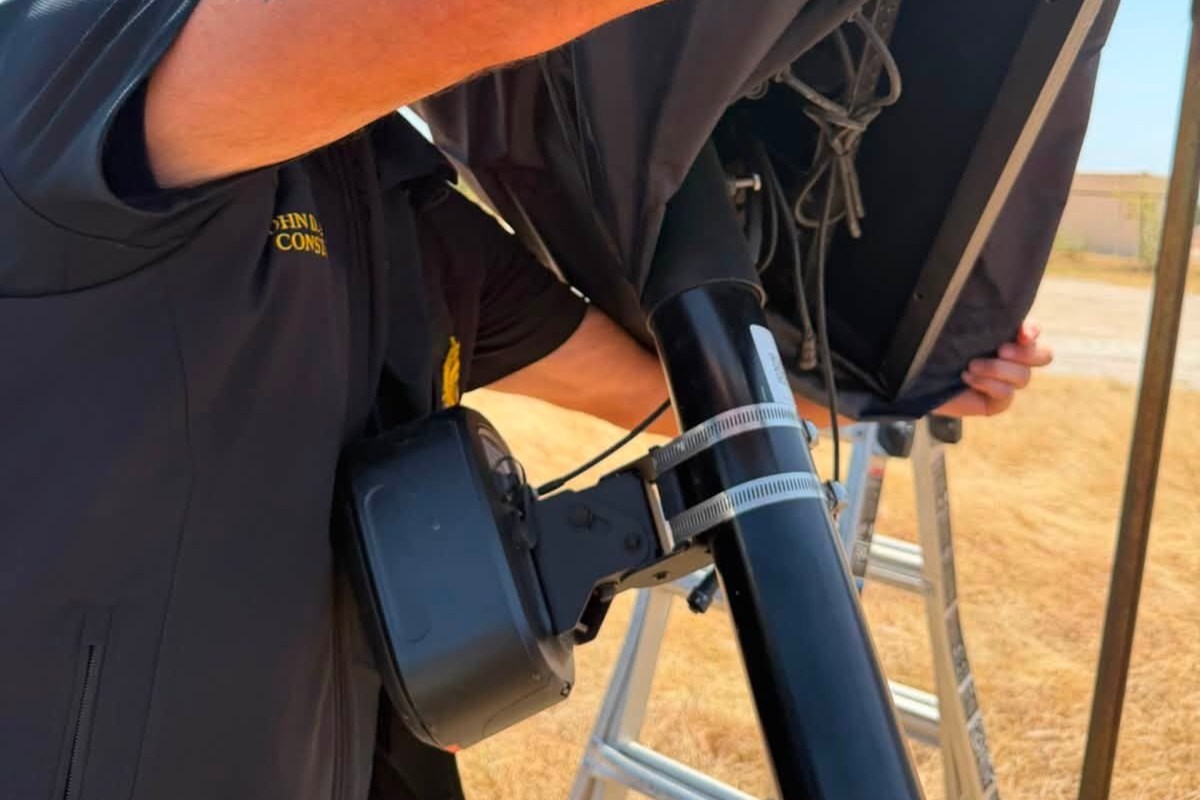
Hood County, Texas, has shut down a network of automated license plate reader, or ALPR, cameras after local officials concluded the system created constant, unneeded surveillance.
As KBTX reported, the move reflects concern that many communities across the United States are expressing about these cameras.
Here's what to know
Hood County Constable John D. Shirley shared in a Facebook post from his official account (@HoodConstable2) that the county's Flock Safety cameras were unplugged and covered following direction from county commissioners.
Shirley called it a "good day for the Freedom of the people."
"These cameras were constantly scanning and recording regular folks just going about their day," he wrote. "That kind of permanent, warrantless tracking doesn't belong in a free society."
He said he has also instructed the company to pick up its equipment because residents should not be left wondering whether the county is keeping a stored record of where they travel.
TCD Picks » Quince Spotlight
💡These best-sellers from Quince deliver affordable, sustainable luxury for all




Hood County's decision is drawing even more attention to Flock Safety, the Atlanta surveillance technology company that KBTX said has nearly 100,000 automated license plate readers operating nationwide.
The outlet reported that the debate sharpened after dozens of alleged abuses of Flock's camera network by officers, including reported stalking of women.
More background
Civil liberties advocates have long warned that these systems can be used for far more than their original public safety pitch suggested.
Critics have raised concerns about racial and political profiling, access by non-law enforcement users, and data privacy weaknesses that could expose sensitive location information.
The implications can be deeply personal. A camera network that logs vehicles over time can reveal personal traits about people like places of worship or political activity. Even when someone has done nothing wrong, that kind of unseen monitoring can leave people feeling watched in places where they should feel secure.
KBTX noted The American Civil Liberties Union called Flock's shorter retention window "a step in the right direction," but it also cautioned that the revisions may be more superficial rather than a concrete change.
What's being done?
Flock says it is tightening safeguards by reducing how long data is stored, requiring officers to attach a case number to searches, and using automation to detect suspicious behavior.
While those changes are significant, they do not answer questions about who gets access, how often searches are audited, and whether location tracking should be subject to stronger legal standards.
Locally, Hood County's shutdown shows that officials do not have to treat surveillance systems as inevitable. Counties and cities can remove equipment altogether if residents' rights and public trust are not being protected.
"It's a real win for the citizens of this county," Shirley concluded in his post. "To Flock Safety Systems: come get your garbage out of my county."

Get TCD's free newsletters for easy tips, smart advice, and a chance to earn $5,000 toward home upgrades. To see more stories like this one, change your Google preferences here.







