


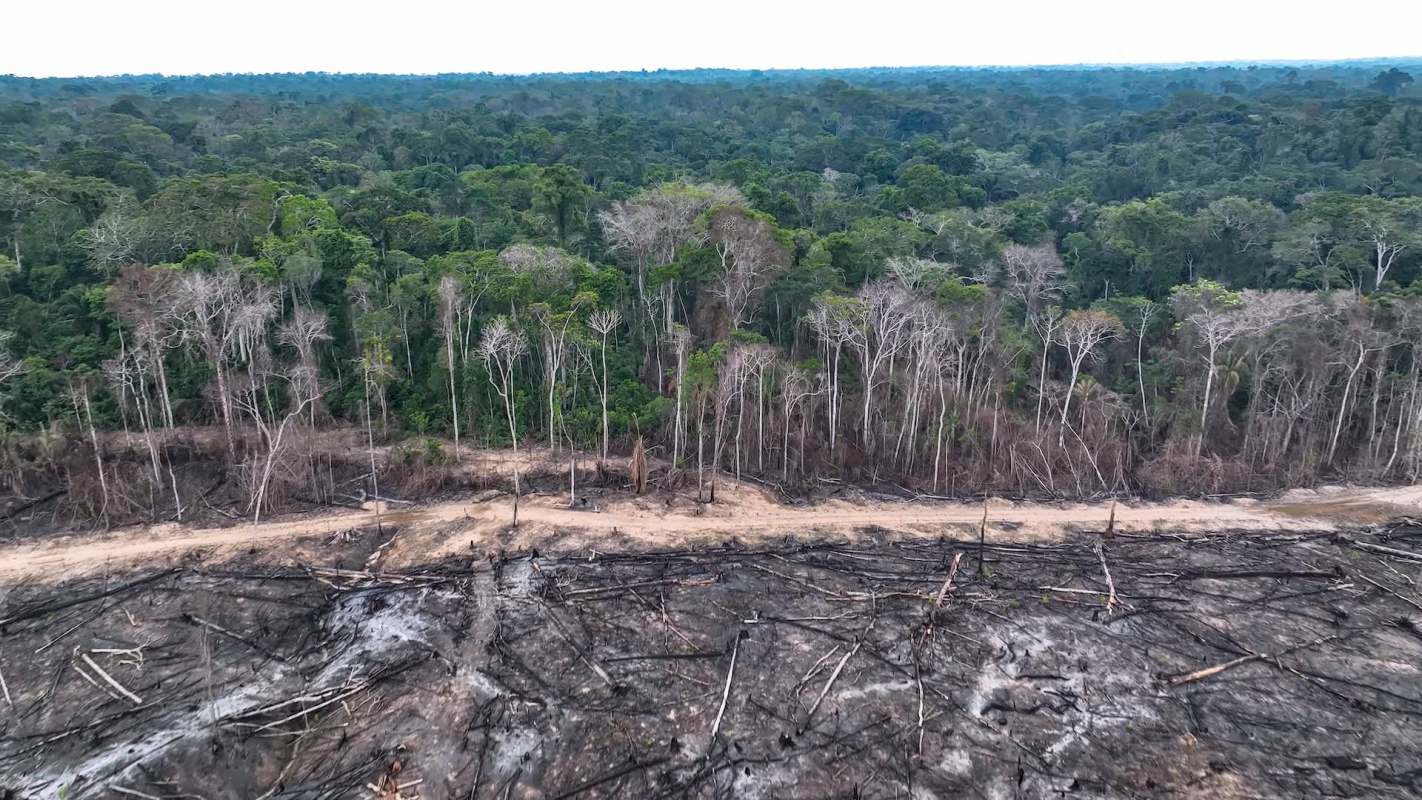
With a major biodiversity summit set for Armenia in October, the United Nations says the world is slipping behind on a major pledge to protect nature.
Here's what to know
According to Arab News, Astrid Schomaker, executive secretary of the United Nations' Convention on Biological Diversity, says progress is still too slow on the global nature goals governments agreed to four years ago. The outlet reported the commitments include protecting 30% of the planet's land and seas by 2030 and having wealthier nations provide poorer countries with $30 billion per year.
A central goal at COP17, the 17th annual conference on international climate action in Armenia, will be to assess how much progress the 196 countries that signed on to those targets have actually made. Schomaker warned, as reported by Arab News, that "Implementation is not yet happening at the pace and scale needed to achieve" the goals.
Biodiversity is not just about wildlife. Healthy forests, oceans, wetlands, and grasslands help support food supplies, clean water, medicine discovery, and protection from extreme weather. When those systems begin to break down, communities can face higher costs and worsening risks.
According to the U.N., the biodiversity crisis stems from five human-caused pressures: habitat loss, unsustainable resource use, climate disruption, pollution, and invasive species.
More background
The International Union for Conservation of Nature says more than one-quarter of animal and plant species are threatened with extinction, according to Arab News.
TCD Picks » Quince Spotlight
💡These best-sellers from Quince deliver affordable, sustainable luxury for all




The Convention on Biological Diversity says, as reported by Arab News, progress has been uneven. It cited "promising efforts on conservation targets," but said other areas have been "sluggish, such as resource mobilization, the repurposing of harmful subsidies or inclusive governance." Some countries are making progress in setting aside protected areas, but the funding, policy changes, and decision-making systems needed to make those protections effective are lagging.
One unresolved dispute centers on the Cali Fund, which was created at COP16 to share some profits made by companies in wealthy countries using plants and animals sourced from developing nations. Negotiators are still divided over it, and the outcome could affect whether lower-income countries have the resources to protect ecosystems while also supporting their communities, the outlet reported.
Nearly every U.N. member state has signed the convention, but the United States remains the clearest exception.
The main next step is COP17 itself, where countries will review performance and face growing pressure to turn broad promises into measurable action. That includes increasing financial support, cutting subsidies that harm nature, and building more inclusive systems for governing land and resources.
As leaders prepare to meet in Armenia, Schomaker said: "The task awaiting us in Yerevan in nine weeks will take all the stamina and determination that parties can summon."

Get TCD's free newsletters for easy tips, smart advice, and a chance to earn $5,000 toward home upgrades. To see more stories like this one, change your Google preferences here.






