


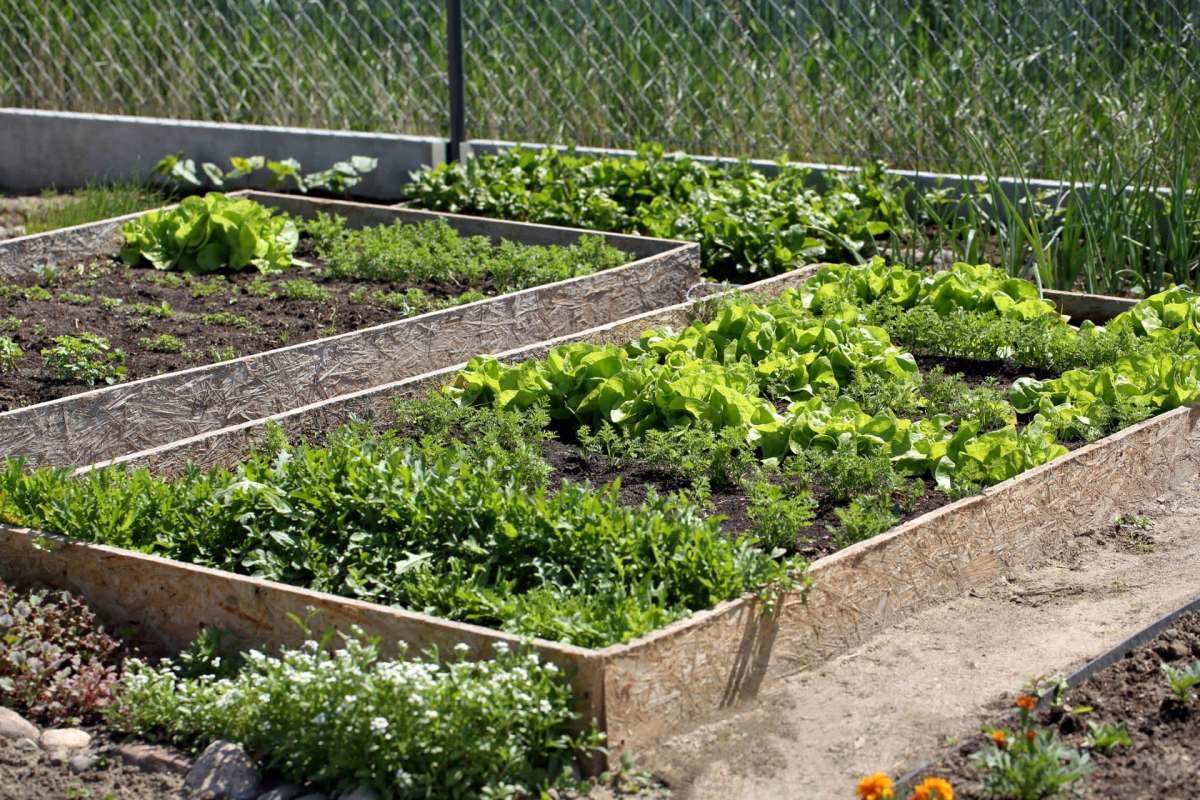
A vegetable garden at the Tshepo community development initiative in Northcliff, South Africa, is putting fresh food and more on the table. For people recovering from homelessness and addiction, it has become a place to learn new skills, heal, and gain stability.
Here's what to know
Gardening is part of the recovery process for residents at the Tshepo community development initiative. According to the Northcliff Melville Times, the site supplies vegetables for meals and serves as a place to learn cultivation techniques while also bringing in extra revenue by selling leftover produce to nearby restaurants.
Facilitator Raymond Ndlovu said the experience helps participants in practical ways while also reinforcing the idea that personal change can grow over time.
"We use that process to teach our clients that if you plant good seeds in your own life, whether it's kindness, generosity, or hard work, you will eventually harvest the rewards. It helps people realize that change is possible," he said.
Residents are harvesting many kinds of produce like spinach and onions. The produce goes into meals at the initiative, and any extra vegetables sold to local restaurants help generate some income for the project.
How is this helpful?
The garden is reducing reliance on store-bought produce and helping people experiencing hardship, giving them a chance to regain confidence and independence.
TCD Picks » Quince Spotlight
💡These best-sellers from Quince deliver affordable, sustainable luxury for all




A win-win for the community and the environment, the project uses entirely organic methods throughout the garden. The Northcliff Melville Times said items like leaves, lawn clippings, horse manure, and mulch foster soil health. Together, they nourish the beds, help the ground hold water, and limit erosion. That approach supports both sustainability and the production of healthy food for residents.
Small-scale food production can lower household costs and give people more control over what they eat. For people starting over after housing instability, those benefits can be especially meaningful.
Environmental solutions don't need to be flashy to have a major impact. Sometimes, a well-tended garden can create a community support system.
What's being done?
Alongside social support, Tshepo gives residents direct experience with the day-to-day work of growing food.
The program also emphasizes that you don't need a large piece of land to have successful crops. Participants are shown how they can adapt the same techniques for planting boxes or backyard plots after they leave the program. That can make it easier for them to imagine continuing with gardening in whatever space they live in next.
For readers inspired by efforts like this, one practical step is supporting organizations and projects that connect sustainability with community care. Creating or joining a community garden in your area is also a stellar idea.

Get TCD's free newsletters for easy tips, smart advice, and a chance to earn $5,000 toward home upgrades. To see more stories like this one, change your Google preferences here.







