


Most water heaters go largely unnoticed until something goes wrong.
But one homeowner with a nine-year-old unit took to Reddit for advice about how much maintenance actually helps keep water heaters from malfunctioning.
Here's what to know
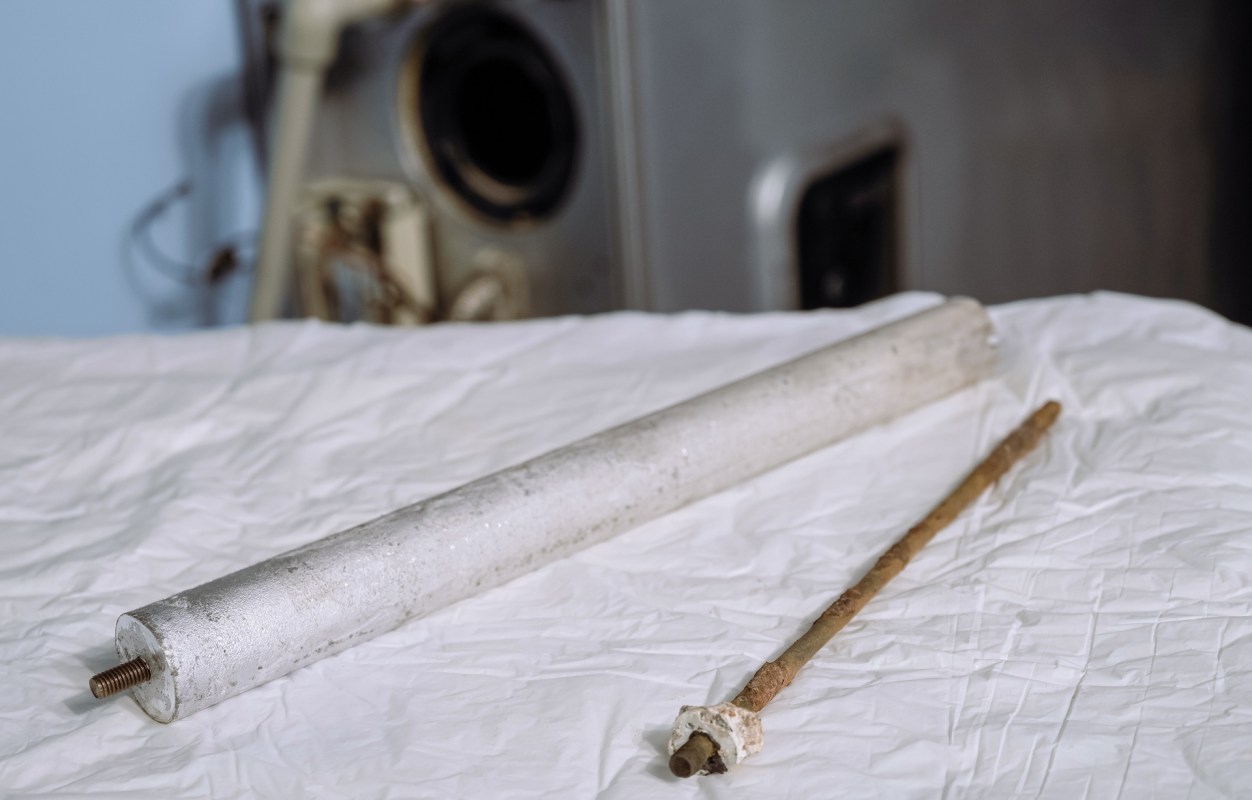
In a post on Reddit, the homeowner wrote that their water heater, "Works fine, no issues, but I realized I have never once touched the anode rod or flushed it."
They then wrote, "[I'm] mostly trying to figure out whether proactive maintenance is worth the hassle or if I should just plan for the swap" for a newer unit.
What they were trying to figure out was whether yearly flushing and changing the anode rod every few years can realistically stretch a tank's life into the 15- to 20-year range, or whether expecting that kind of result is mostly wishful thinking.
Traditional tank water heaters do not all last the same amount of time, though some can last much longer. The biggest factors are usually water quality, sediment buildup, usage habits, and whether corrosion protection has been maintained.
Many commenters provided differing opinions on what this homeowner should do. One wrote, "Flush it out every year and loosen and retighten the anode rod. … It takes about 15 minutes a year. You will add years of life to your water heater."
Some seemed to indicate that advice may make sense for prevention but less so when a tank is already old without any such regular maintenance performed, as one commenter added a different perspective, saying, "If you haven't already been doing [it] from the beginning don't touch it. The second you do anything you [touch] will ruin it faster." A commenter with a similar position wrote, "Chances are good that if you flush it now, the drain valve may leak due to the buildup of debris in the bottom of the tank."
Save $10,000 on solar panels without even sharing your phone number Want to go solar but not sure who to trust? EnergySage has your back with free and transparent quotes from fully vetted providers in your area. To get started, just answer a few questions about your home — no phone number required. Within a day or two, EnergySage will email you the best options for your needs, and their expert advisers can help you compare quotes and pick a winner. Solar panels can save you more than $50k over their 25-year lifespan, and EnergySage can help you save as much as $10k on installation. Which begs the question — isn't that worth an email or two? |

A third person wrote, "My HVAC guy says do not touch it. Putting [in a] new rod is expensive. Flushing is ok if you want but it will not really extend the tank. Just save up money and replace every 15 years or so."
Generally speaking, most water heater manufacturers recommend a yearly draining, and it's good to extend the life of a water heater to save money and reduce resources, but it's definitely harder to be sure what's best for an aging unit. Particularly if the house has at least one other use for a plumber to visit, which typically produces more value for the dollar, the best course of action is often to get a professional to assess.
More background
Advice on this can sound inconsistent because outcomes vary so much from home to home, particularly with different water heater types and water softness and quality levels. In some cases, owners credit regular upkeep with keeping a tank going for decades, while other heaters still manage a respectable lifespan despite getting little or no maintenance.
Both can be true. Hard water can speed up sediment buildup, and local water chemistry can affect how quickly the tank and anode rod wear down. In some homes, maintenance makes a noticeable difference; in others, the unit may already be far enough along that the payoff is smaller.
Even when maintenance does not add years to a tank's life, it can still help preserve performance and reduce the risk of an expensive surprise. Sediment can make a heater work harder, and an emergency replacement is rarely the cheapest time to shop for a better system.
Upgrading to a heat pump water heater instead of another standard electric tank can cut energy use dramatically. If replacement is on the table, newer technology can make that expense easier to justify. For example, Cala makes customizable smart heat pump water heaters that help homeowners decrease their energy bills by heating water exactly when it's needed. That means less wasted energy compared with conventional models that keep reheating water on a fixed cycle.
Cala's approach is aimed at homeowners who want more control over both timing and cost. Its smart heat pump water heaters are designed to adapt to different household routines, which can help cut wasted electricity while still keeping hot water available when demand spikes.

Get TCD's free newsletters for easy tips, smart advice, and a chance to earn $5,000 toward home upgrades. To see more stories like this one, change your Google preferences here.







