


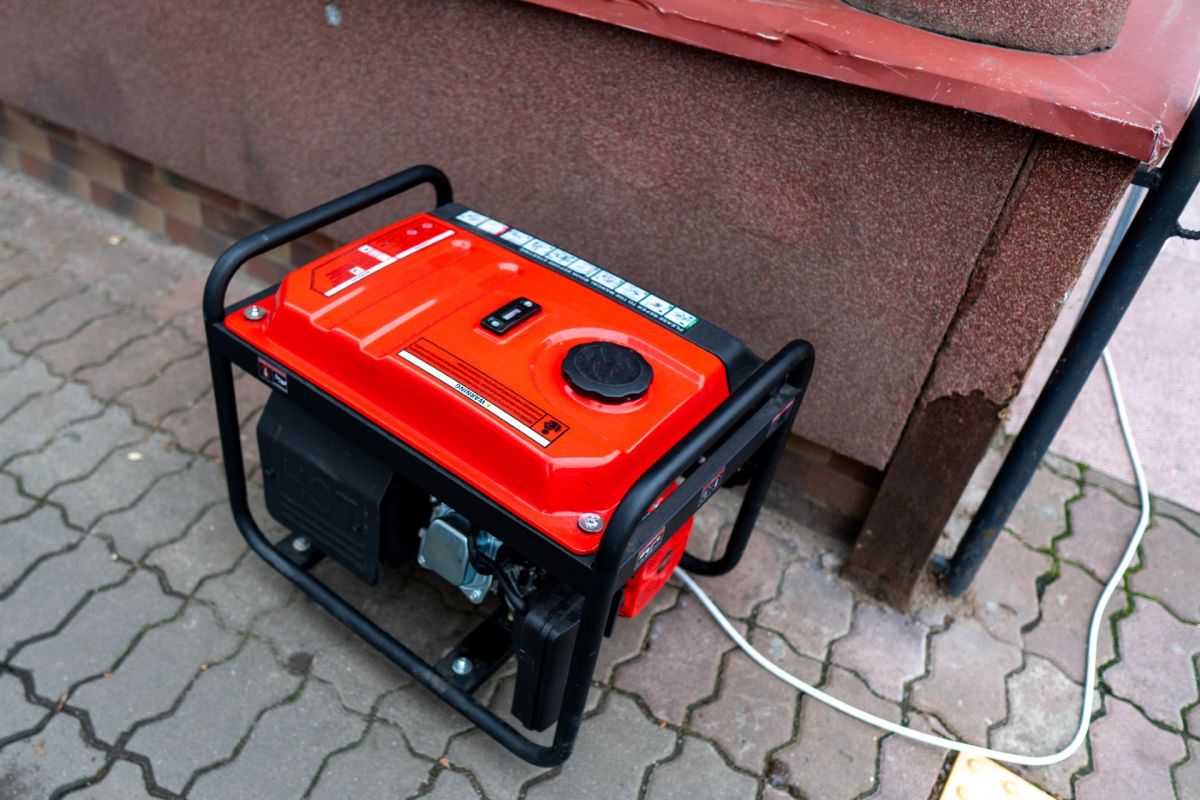
When the power goes out, a portable generator can feel like a lifeline, helping families keep food cold, charge phones, and run essential equipment.
But after storms left more than 110,000 AEP Ohio customers without electricity, safety experts warned that one wrong move, like placing a generator too close to a home or plugging it into a wall outlet, can quickly turn a backup plan into a life-threatening hazard.
Here's what to know
The outages across central Ohio were widespread. WCMH reported (via Yahoo) that among the 110,000 customers who lost power, 85,000 of them were in Franklin County.
In response to the outages, groups such as the American Red Cross and Electrical Safety Foundation International are reminding residents that generators can expose people to carbon monoxide, fire, and even electrocution dangers.
According to the Red Cross, "To avoid electrocution, keep the generator dry and do not use in rain or wet conditions… Do not touch the generator with wet hands."
But clearance is one of the most important components of using a generator safely. Guidance says the unit should sit at least 20 feet from the house, with its exhaust pointed away from doors, windows, and vents, per WCMH. It also needs open air around the sides and above it so heat and fumes do not collect. If this guidance is not followed, "it can rapidly lead to full incapacitation and death," per the Red Cross.
TCD Picks » Quince Spotlight
💡These best-sellers from Quince deliver affordable, sustainable luxury for all




Another major mistake is connecting a generator through household wall outlets. As the Red Cross further explained, "Known as 'backfeeding,' this practice puts utility workers, your neighbors, and your household at risk of electrocution."
More background
Portable generators can preserve refrigerated food, power internet equipment, and keep basic household routines going. They can also save families money by reducing food waste and keeping critical devices running.
Still, those benefits can disappear quickly if a generator is used incorrectly. Running one in an enclosed or poorly ventilated area can allow carbon monoxide to build up.
Using damaged or undersized extension cords can overheat equipment and spark a fire. Refueling before the unit cools can ignite spilled gasoline on hot engine parts. Water creates another hazard, so generators need to stay dry.
What can be done?
Used correctly, a generator can help a household ride out an outage while avoiding spoiled groceries and other disruptions. But if used carelessly, it can create dangers far worse than a dark house, turning a short-term fix into a medical, electrical, or fire emergency.
Always inspect extension cords before each use. Outdoor-rated, three-pronged cords in good condition are important because frayed or undersized cords can lead to shocks, short circuits, or damaged electronics.
Now, AEP Ohio customers can check the utility's outage map and view outages by county or ZIP code. Ohio residents with questions about fuel storage limits can also contact their local fire department for local requirements, per WCMH.

Get TCD's free newsletters for easy tips, smart advice, and a chance to earn $5,000 toward home upgrades. To see more stories like this one, change your Google preferences here.







