


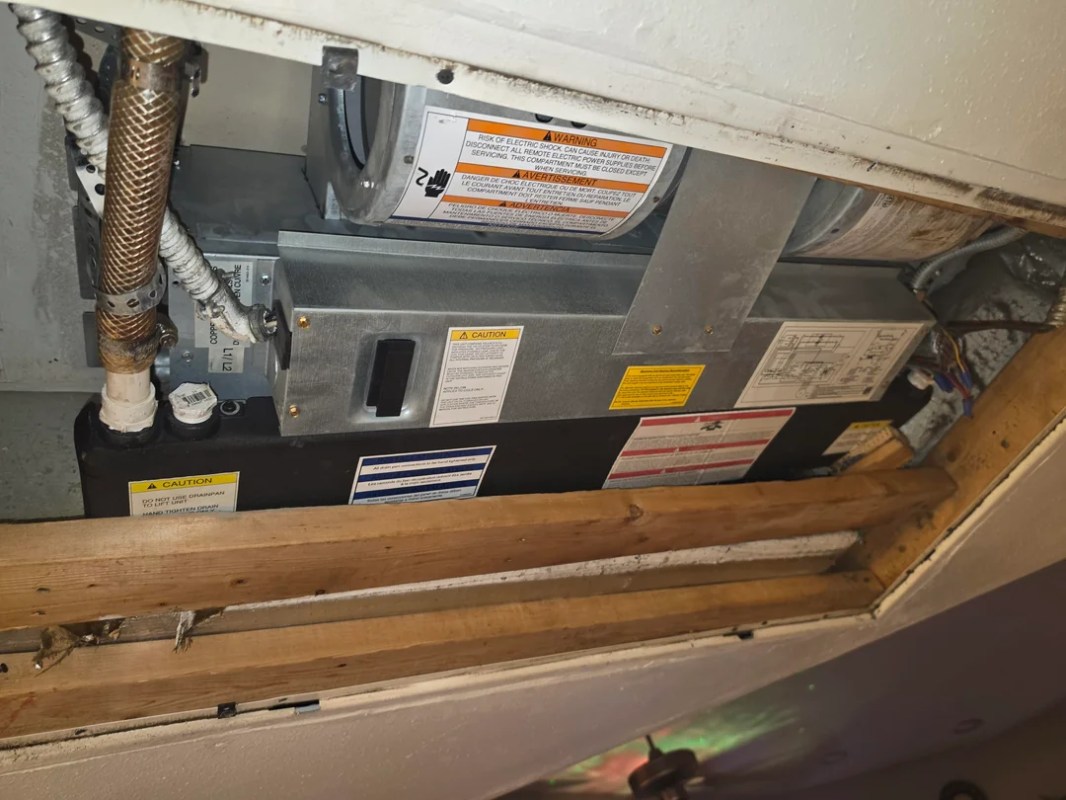
For anyone stuck in a sweltering apartment, when an AC fails to cool but management insists everything is fine, it can become an infuriating situation.
One renter now says their third-floor apartment reached 86 degrees at 10:30 p.m. while it was still 80 degrees outside, and the air conditioner that should have been cooling the space was instead dripping water every day and icing over.
Here's what to know
The renter took to Reddit's r/hvacadvice community to seek help.
This original poster shared images of the HVAC and wrote, "AC is barely working and I'm losing my mind. Please help… Maintenance says there's nothing they can do… They said the freon is good and everything is working properly. I pay way too much money between rent and electricity to be living this way and I need help."
OP added that "I'm an electrician and good with tools so I'm willing to do whatever it takes if there's something I can do myself. I'm desperate."
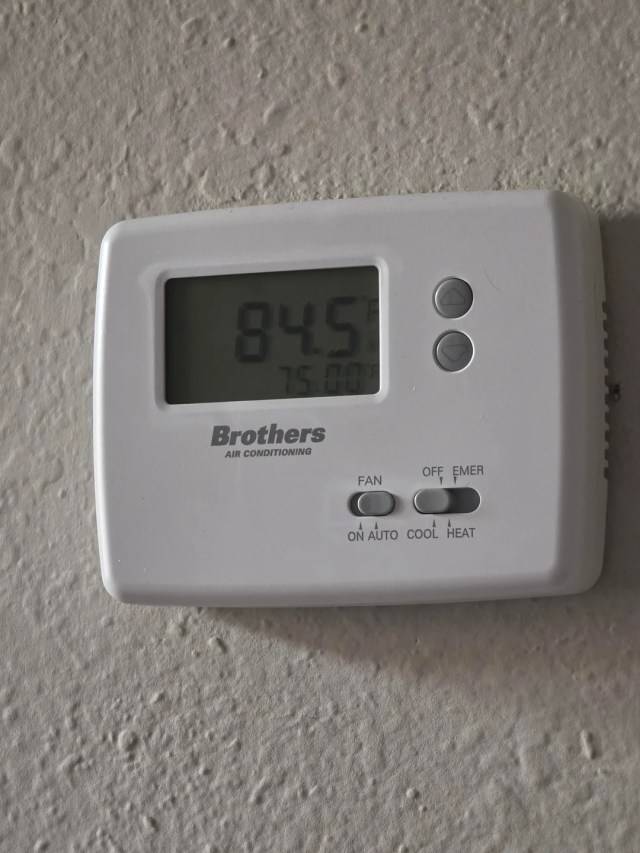
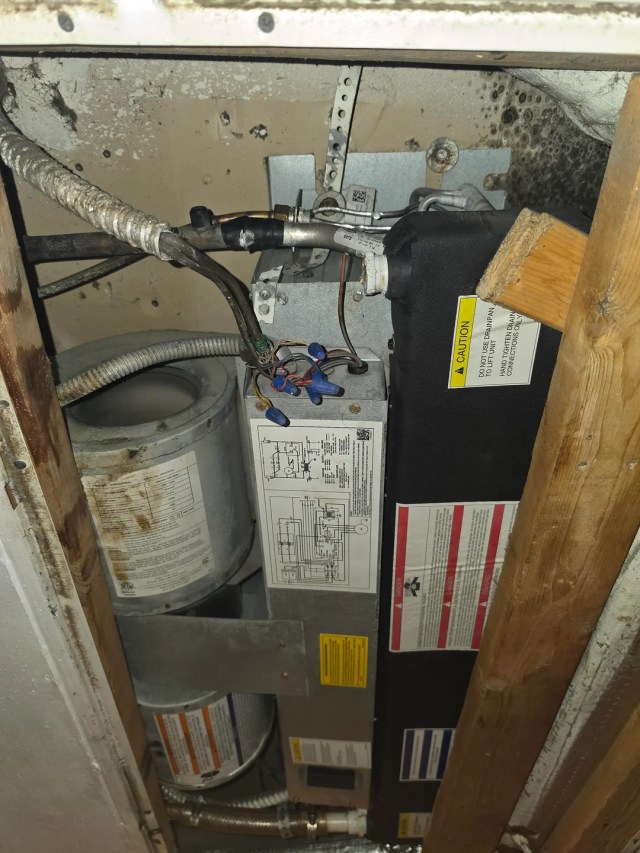
Over a hundred commenters streamed in to offer their two cents. The top comment read, "Call your city code inspectors." OP responded to this, writing, "I'll call on Monday. I've had so much sh*t going on in my life it's been hard to try to juggle everything. Thanks for the push."
TCD Picks » Quince Spotlight
💡These best-sellers from Quince deliver affordable, sustainable luxury for all




Another commenter pointed to apparent mold in one of the pictures, adding, "That building is a hazard by the way. There is significant mold inside the AC housing. That is just spreading throughout your apartment."
Several others focused on the mold as well, with one commenter explaining, "Bro, AC is the least of your worries… That black mold in the corner of the wall will slowly kill you. You need to get the city inspector out there to document everything and take that apartment complex owner to court."
More background
When cooling equipment struggles, residents can end up paying steep electric bills while still living in unsafe or deeply uncomfortable conditions.
That lack of control can extend beyond HVAC. Landlords across the country have also faced criticism for preventing renters from making practical, money-saving lifestyle changes, including prohibiting gardening, solar panels, and hanging clotheslines to dry laundry. Such restrictions can keep people from lowering food costs, reducing energy use, and making their homes work better for them.
Persistent moisture can also raise concerns about mold or water damage, while prolonged indoor heat can be especially hard on older adults, children, pets, and anyone living with health conditions.
What can be done?
When a landlord or maintenance team says a system is working properly, documentation can be critical. Renters can keep a written log of indoor temperatures, take timestamped photos or videos of dripping water and ice buildup, and submit repair requests in writing so there is a clear record.
It can also help to review local tenant protections. Some cities and states have habitability standards, repair timelines, or code-enforcement options that may apply when cooling systems fail, leak, or create unhealthy indoor conditions.
If property rules are part of the barrier to making a home safer or less expensive to run, readers can also check out the TCD Guide to changing HOA bylaws for ideas that may also help when approaching landlords or property managers about outdated restrictions.

Get TCD's free newsletters for easy tips, smart advice, and a chance to earn $5,000 toward home upgrades. To see more stories like this one, change your Google preferences here.






