


Gardeners hear it all the time: Plant native species, and wildlife will follow.
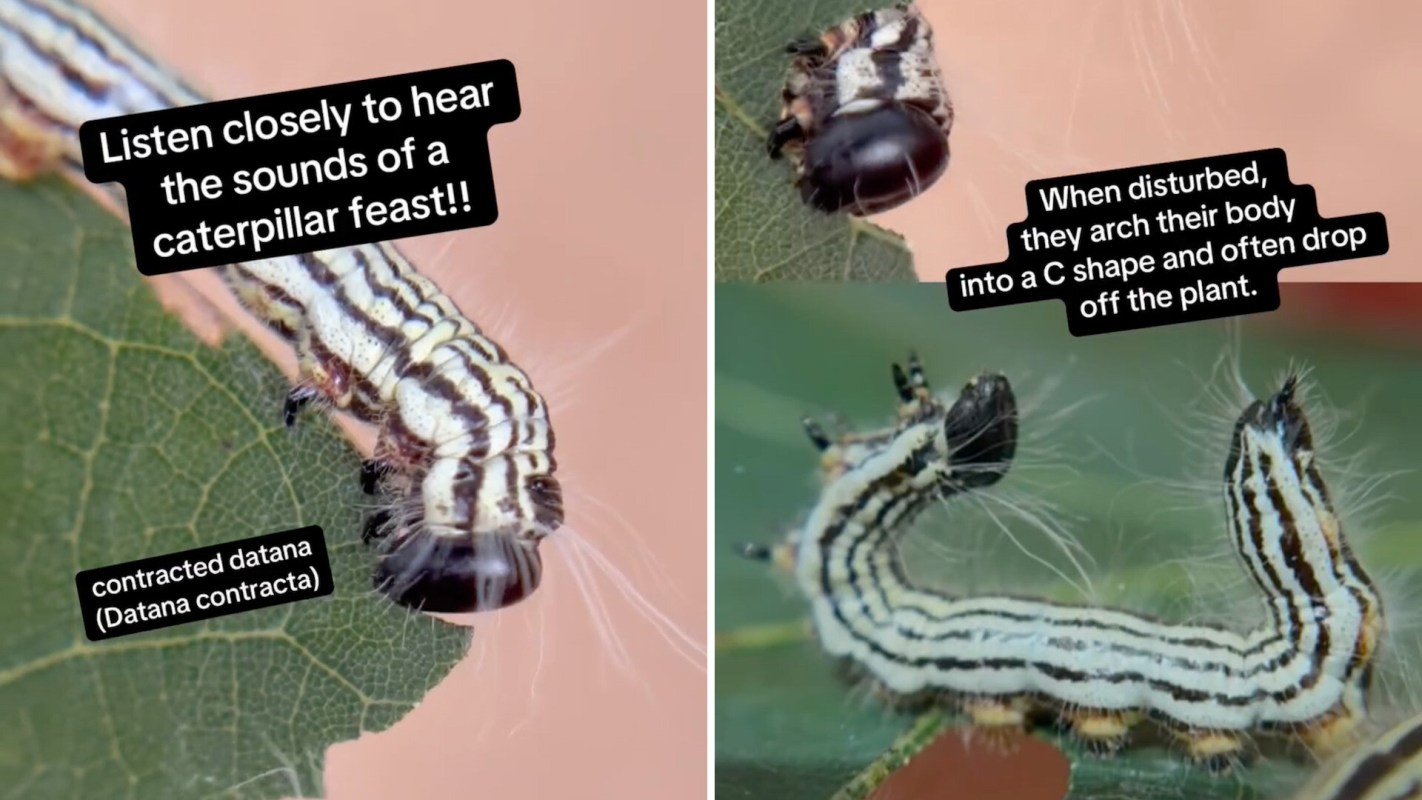
But in an Instagram reel posted on August 14, Mt. Cuba Center (@mtcubacenter), a botanical garden devoted to native plants, showed contracted datana moth larvae feeding on white oak leaves, offering a clear example of the kind of activity a healthy yard ecosystem can support.
Here's what to know
The video shows groups of caterpillars feeding on white oak, or Quercus alba. In the caption, Mt. Cuba Center said the larvae were one of the specialist species recorded during a moth survey.
Specialist insects rely on certain host plants rather than feeding on whatever is available, which is one reason native plantings matter so much.
A landscape may look lush and carefully maintained while still offering very little food for local insects and the animals that depend on them.
The video also pushes back on a common gardening reflex: treating every chewed leaf as damage that must be prevented.
TCD Picks » Quince Spotlight
💡These best-sellers from Quince deliver affordable, sustainable luxury for all




In many cases, this kind of feeding is exactly the goal. These insects help sustain the food web, supporting birds and other wildlife further up the chain.
More background
The reel showing a native insect feeding on a native tree makes the habitat value of native planting easy to see.
For homeowners used to striving for a perfect lawn and spotless leaves, that can require a mindset shift. A yard designed only for appearance may require frequent upkeep while doing little to support biodiversity.
By contrast, replacing even part of a conventional lawn can provide environmental and personal benefits. Native plants, clover, buffalo grass, and xeriscaping can all reduce maintenance while lowering water use. That can translate to less time spent on yard work, lower water bills, and less money spent maintaining thirsty turf.
What can be done?
For anyone hoping to attract this kind of wildlife activity at home, the easiest step may be to start small. Converting just one section of a yard to native plants can create better habitat than an entire stretch of conventional grass.
Other low-maintenance options can help as well. Clover can stay green with less upkeep, buffalo grass can reduce mowing needs, and xeriscaping can significantly cut irrigation demands in drier regions.
Combining these approaches can make a yard more resilient, less expensive to maintain, and more fulfilling.
As Mt. Cuba Center wrote in the caption, "One of the most rewarding parts of gardening with native plants is finding wildlife chowing down!"

Get TCD's free newsletters for easy tips, smart advice, and a chance to earn $5,000 toward home upgrades. To see more stories like this one, change your Google preferences here.







