


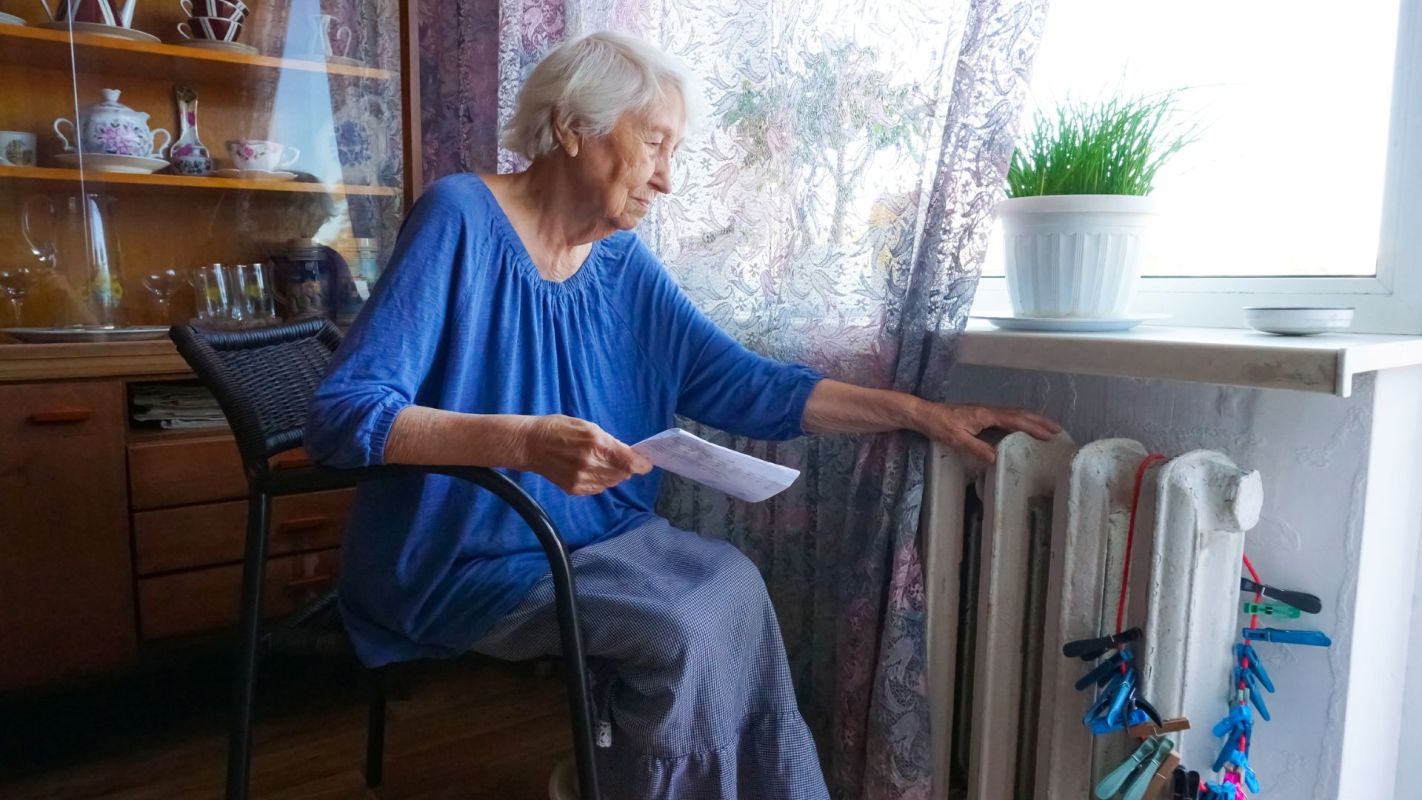
A utility shutoff notice or a broken furnace can be both a health risk and a financial crisis.
In Vermilion County, Illinois, expanded energy aid is set to open Oct. 1, with priority applications accepted that day.
The program helps households cover heating and electricity costs, particularly for older adults, people with disabilities, families with young children, and anyone facing a disconnection.
Here's what to know
Residents using the Low-Income Home Energy Assistance Program, or LIHEAP, can start the application process Oct. 1, according to an announcement by the East Central Illinois Community Action Agency, as Vermilion County First reported.
Priority access goes to households already shut off or facing disconnection, homes with less than a quarter tank of propane, seniors 60 and older, people with disabilities, and families with children 5 and younger.
Nov. 1 is the start date for every other household that meets the program's income requirements.
TCD Picks » Quince Spotlight
💡These best-sellers from Quince deliver affordable, sustainable luxury for all




Applications will be processed through Aug. 13, 2027, unless the available funding is exhausted earlier.
The program can help people pay electric, gas, and propane bills, and it may also provide furnace assistance when a heating system is not working.
People can schedule appointments on Mondays, Tuesdays, Thursdays, and Fridays, while Wednesdays are for walk-in and first-come, first-served appointments.
More background
The income cutoff is 300% of the federal poverty guidelines for customers of Ameren Illinois, ComEd, Nicor Gas, North Shore Gas, and Peoples Gas.
For those households, the 30-day income limit ranges from $3,990 for one person to $13,930 for a household of eight.
A four-person household, for example, can earn up to $8,250 over 30 days and still qualify.
Households using federally funded unregulated utilities or energy vendors fall under a different threshold: at or below 60% of the state median income.
Income information for larger households is available through the agency and LIHEAP.
What's being done?
Funding is available for households considered most vulnerable to energy insecurity.
That includes people with health risks from losing heat or electricity as well as older adults and families with young children, who may have less flexibility when utility costs spike.
Households are not necessarily limited to their initial awards. Those who receive a benefit can return later in the same program year for reconnection help or furnace assistance, as Vermilion County First relayed.

Get TCD's free newsletters for easy tips, smart advice, and a chance to earn $5,000 toward home upgrades. To see more stories like this one, change your Google preferences here.






