


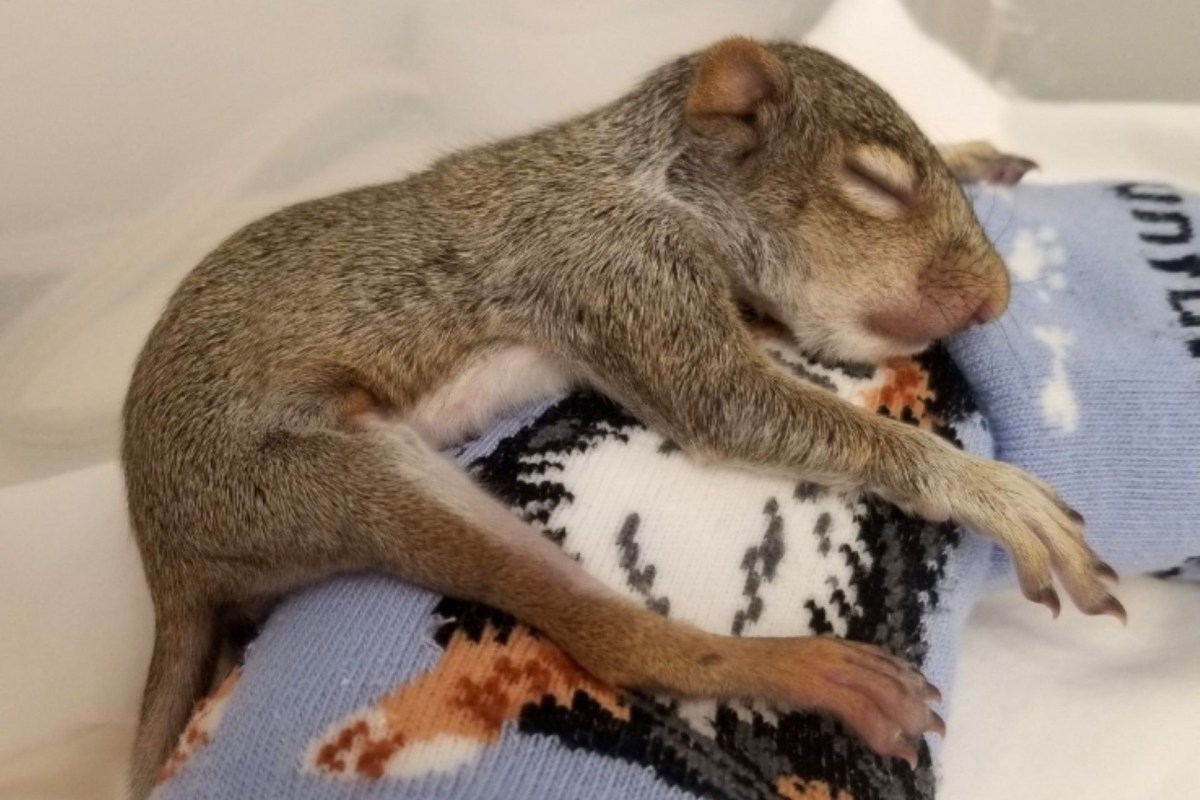
A late-summer wave of baby squirrels carries a message for animal lovers who may encounter one of the tiny animals on the ground.
The scoop
Wildlife Rescue Center, St. Louis, a wildlife rehabilitation organization, made an August 14 post on Instagram, telling followers that when an uninjured baby squirrel is found, "the best chance for its survival is to be reunited with its mom."
Many baby squirrels turn up in areas shaped by human activity, including neighborhoods where tree trimming, construction, pets, or other disturbances can damage nests or leave babies exposed on the ground. Keep in mind this does not necessarily mean the mother is gone.
Squirrel mothers have multiple nests and will retrieve healthy babies from a damaged nest, from the ground, or from a suitable reuniting container if they can.
Why is this important?
For healthy baby squirrels, the post encourages people to pause before intervening. Finding one on the ground does not automatically mean it needs to be "rescued" from its habitat.
Wildlife rehabilitators frequently try to reunite babies with their mothers because this outcome is usually preferable to unnecessary removal from the wild. A mother squirrel can keep feeding, warming, and relocating her young in ways humans simply cannot replicate.
TCD Picks » Quince Spotlight
💡These best-sellers from Quince deliver affordable, sustainable luxury for all




What can be done?
Before stepping in, it helps to watch from a distance. If the baby appears unharmed, leaving it in place to reunite with its mother may make more sense than moving it elsewhere.
If the baby requires short-term containment, the organization also said gloves should be used. The container should be shallow and open. You can keep the babies warm by placing the container on a low-setting heating pad. You can also use a cloth-wrapped hand warmer or a microwaved sock filled with dry rice or birdseed inside the container.
Place the container as high as you can in the nest tree or the next closest tree, keeping it away from direct sun and rain. The point of that temporary setup is simply to shield the animal until its mother can collect it.
If the baby has not been retrieved by nightfall, you can bring them inside, as squirrel moms are only active during the day. Make sure the babies are back outside by dawn, as moms will often return within two 12-hour periods.
Following these steps will reduce unnecessary handling, lower stress on the animal, and may prevent healthy wild babies from entering rehabilitation when they still have a capable parent nearby. Patience may be the most humane intervention.
For unsuccessful reunions, find a list of nearby wildlife rehabilitators by entering your zip code at Animal Help Now. If a baby appears injured, weak, or in immediate danger, contact a wildlife expert or rescue center.

Get TCD's free newsletters for easy tips, smart advice, and a chance to earn $5,000 toward home upgrades. To see more stories like this one, change your Google preferences here.







