


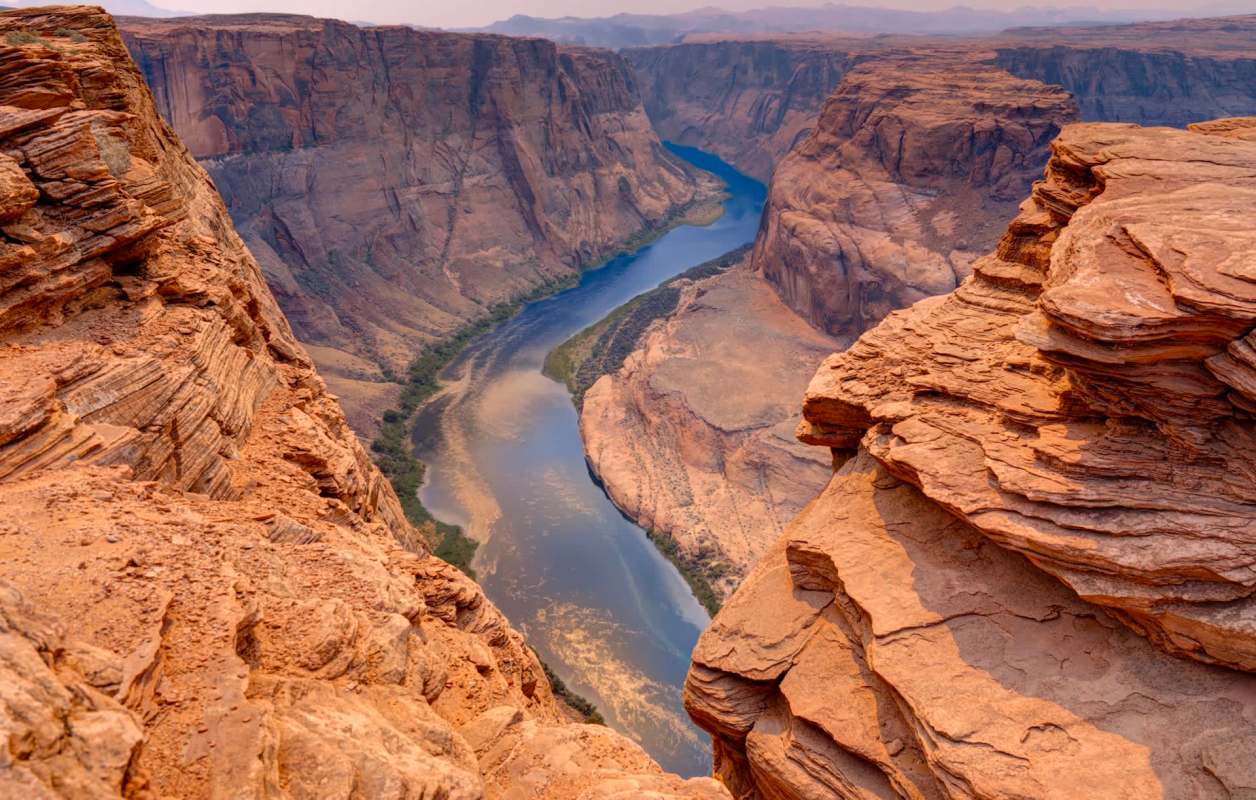
A dispute over Arizona's Colorado River supply is entering a more confrontational stage, with officials increasingly treating litigation as a real possibility in a battle that could influence water access across the Southwest.
Because negotiations remain stalled, state and municipal leaders in Arizona are preparing for a court clash that could further delay urgently needed cooperation over one of the region's most important shared resources.
Here's what to know
As ABC15 reported, Arizona has hired Sullivan & Cromwell and Phoenix has turned to Culp & Kelly LLP and O'Melveny & Myers LLP, signaling that both the state and the city are preparing for possible Colorado River litigation and seeking outside advice on river issues.
Those legal preparations come after years of talks among the seven Colorado River Basin states failed to produce a post-2026 agreement on how to divide the river's shrinking supply.
Arizona's Colorado River negotiator, Tom Buschatzke, has said the state still hopes to avoid litigation: "We want to stay out of the courtroom, federal court, the Supreme Court. It's not our preferred option."
At the 2026 Water Summit in Las Vegas, Nevada's Colorado River negotiator, John Entsminger, also framed the stakes bluntly, saying, "If negotiations fail, we'll protect the people of Nevada."
TCD Picks » Quince Spotlight
💡These best-sellers from Quince deliver affordable, sustainable luxury for all




More background
One reason the dispute has intensified is the scale of cuts outlined in the federal government's latest plan for post-2026 river operations. In its final environmental impact statement released on July 31, the Bureau of Reclamation identified a preferred framework that models Lower Basin shortages of up to 3.6 million acre-feet affecting Arizona, California, Nevada, and Mexico.
But that 3.6 million acre-foot figure is a scenario, not an automatic outcome. As ABC15 noted, the final reductions would depend on reservoir conditions, existing water-rights priorities, and any additional agreements the states can still reach.
Under the river's longstanding priority system, Arizona is in a weaker position than some of its neighbors because its water rights are relatively junior.
Kyle Roerink, executive director of the Great Basin Water Network, described that exposure, saying, "The preferred alternative outlines about 3.6 million acre-feet of potential annual cuts, with Arizona bearing the brunt of those. In certain conditions, Arizona could take close to two million acre-feet every year."
If the dispute reaches court, the states could spend millions while federal officials remain in charge of operating rules for a longer period, and the case itself could take years to resolve.
That kind of uncertainty can make it harder to plan for housing, farming, conservation, and water security, slowing progress toward a more stable future in an already stressed region.
What's being done?
States and cities are pursuing both options at once: staying in negotiations while also assembling legal teams in case talks collapse. That approach underscores how little confidence remains that a voluntary deal alone will be enough to settle the dispute.
By hiring outside counsel, Arizona is signaling that the risk of accepting major cuts without a fight may be too great. Phoenix's move points to the same concern at the local level, showing how city officials are trying to protect residents if broader state negotiations fall apart.
Because no record of decision has been issued, the door to compromise remains open. The states can still work out additional agreements before the conflict hardens into a lengthy court battle.
Entsminger added, "Hopefully between now and then, we've worked something out and nobody needs to go to court. But all seven states are sovereign, and they get to make their own decisions."

Get TCD's free newsletters for easy tips, smart advice, and a chance to earn $5,000 toward home upgrades. To see more stories like this one, change your Google preferences here.






