


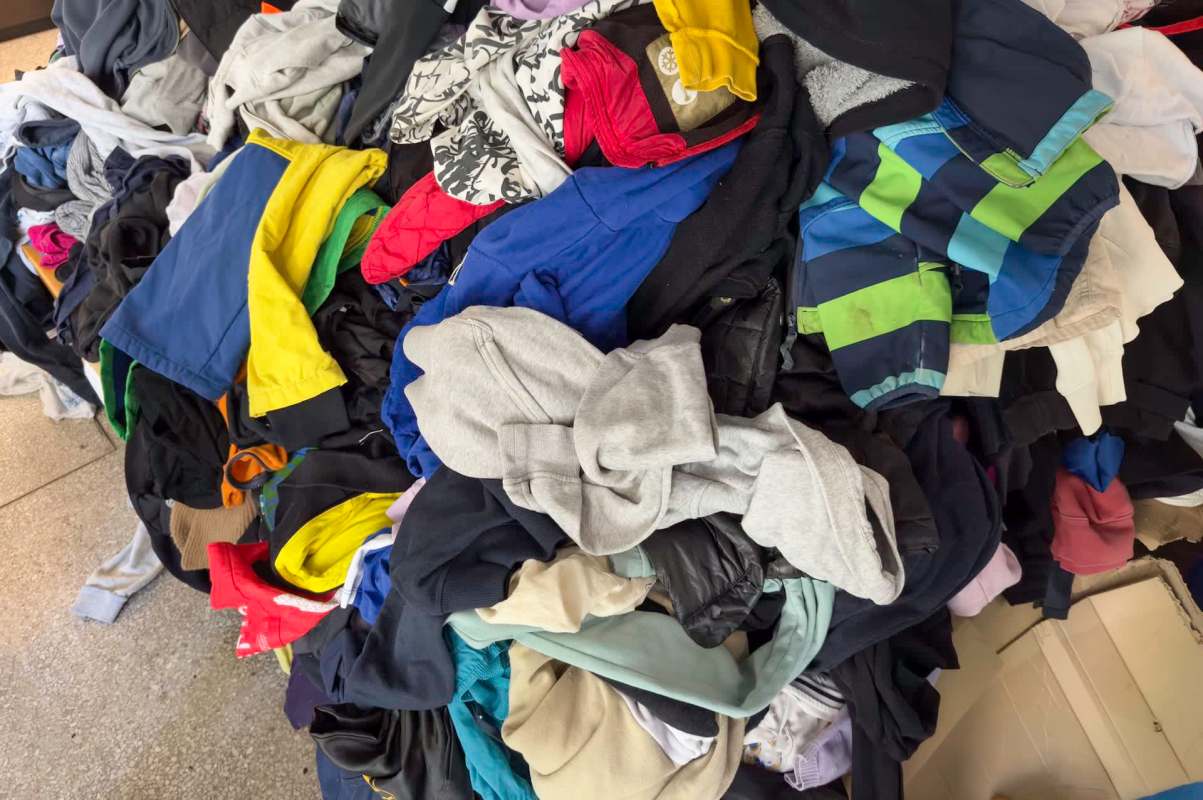
For many shoppers, thrift stores are places to pick up everyday basics at a discount, uncover unique finds, and keep perfectly usable goods out of landfills.
But in Australia, complaints about expensive op-shop goods have also drawn attention to a related problem: a share of what is donated is not fit for sale.
Here's what to know
A volunteer said stores can end up paying steep waste-removal fees when donors leave behind items that should have been thrown away instead.
As the Daily Mail reported, the volunteer said, "I volunteer in an op shop and our biggest expense is getting rid of the rubbish that is donated."
The volunteer described sorting through items that should never have been dropped off in the first place, adding: "Once I was sorting and someone had vomited on a T-shirt and put it in the op shop bag, I have seen women's blood stained undies, and plates and bowls with cracks and chips."
That leaves charities paying "commercial rates" to dispose of things they cannot sell, and the burden has reportedly grown so large that some workers have taken rubbish home rather than leave it for the shop to handle. At the same time, store profits are supposed to go toward helping people in need through food aid and other community programs.
TCD Picks » Quince Spotlight
💡These best-sellers from Quince deliver affordable, sustainable luxury for all




Major charities also pushed back on criticism of their pricing. An Australian Red Cross spokesperson said, "This is not about profit. Every dollar spent in our shops helps Australian Red Cross continue its humanitarian mission."
More background
Shopping secondhand can help families save money on clothing and household basics, while also giving people the chance to find high-quality or hard-to-find items for far less than they might cost elsewhere.
It can also extend the life of products that might otherwise be thrown in the trash. That makes op shops an important alternative to fast fashion, which often floods the market with low-cost, disposable goods.
Still, some shoppers say the balance has shifted. Naomi, a stay-at-home mom from the Illawarra region of New South Wales, told the Daily Mail that op shops once offered dignity as much as affordability.
"There was a particular point in my life when I was broke and really relied on these stores to be able to shop with dignity," she said.
Naomi argued that resale culture has changed how items are priced, saying, "But that culture has now been replaced by, 'Look how cool this item is! Let's price it as high as possible so no one can re-sell it.'"
She also said some Australians now feel discount chains are cheaper than secondhand stores.
What can be done?
The most immediate solution may be the simplest: Charity drop-offs work best when they include clean, usable clothing and intact household items. Those donations are far more likely to help stores keep prices affordable while reducing waste disposal costs.
Naomi suggested looking to smaller charity outlets and council tip shops for bargains.
For anyone hoping to save money while reducing waste, the TCD Guide's page on shopping at thrift stores offers more practical ideas.
"And what a sad situation that is for both charities and the environment," Naomi said. "It should just be cheap enough that just about anyone could afford to buy at least the basics, clothing and household items that are donated."

Get TCD's free newsletters for easy tips, smart advice, and a chance to earn $5,000 toward home upgrades. To see more stories like this one, change your Google preferences here.






