


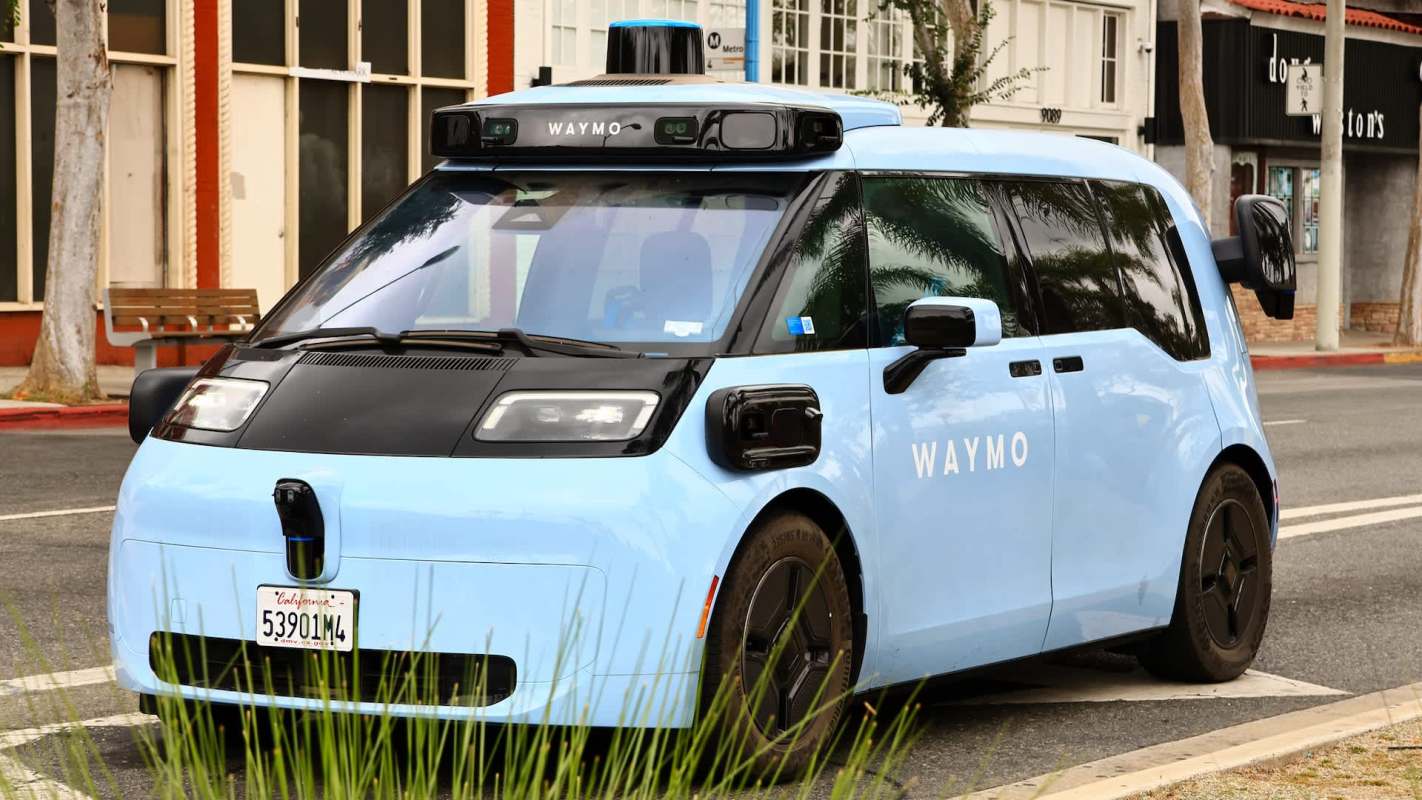
Chinese electric vehicles are largely shut out of American showrooms, but one major company appears to have found a workaround for a very specific use case.
As Forbes reported, Waymo has reportedly brought thousands of Chinese-built electric vans into the U.S., revealing just how large the price gap between EVs can be for some vehicles.
Here's what to know
Import figures indicate that Waymo has brought more than 3,200 Zeekr electric vans into the U.S. since 2024. More than 2,600 of them reportedly arrived in 2026.
Waymo's robotaxi expansion includes these vans as a dedicated vehicle platform, Forbes said. The model is sold in China as the CM1e and referred to by Waymo as the Ojai. The company chose it for its next generation of autonomous rides rather than opting for an option from a U.S. automaker.
Once tariffs on Chinese goods took effect, the cost equation shifted significantly. The outlet reported that tariffs on Chinese EVs now total 127.5%, raising the price of a van worth about $38,000 to roughly $86,500, which prices out most of the market for them.
Forbes estimated that Waymo's Gen 6 tech adds roughly $25,000 per vehicle. Even with that expense, the total still appears to be well below the estimated cost of the Jaguar I-Pace vehicles already in its fleet, which can top $200,000 each.
TCD Picks » Quince Spotlight
💡These best-sellers from Quince deliver affordable, sustainable luxury for all




More background
Tariffs meant to restrict Chinese EV access can also slow the rollout of cleaner transportation options in U.S. cities. Higher deployment costs for electric robotaxis can delay broader access to lower-emission rides for everyday passengers.
The Zeekr van also appears to solve a practical problem. CarScoops noted that it has a roomier cabin than the Jaguar I-Pace, which could make it better suited to carrying passengers comfortably. Vehicle design can influence accessibility and the feasibility of shared electric transportation in dense urban areas.
Officials have taken a hard line against Chinese-made EVs, but the domestic market may not yet offer enough purpose-built options for every emerging transportation need. That gap can make it harder to scale technologies that could cut tailpipe pollution and reshape how people move around cities.
Waymo says the Zeekr-built vans are active in Los Angeles and San Francisco, per Forbes. In May, it said at least 100 were operating.
What's being done?
Waymo appears to be accepting the added import costs, judging that the vans remain less expensive than the alternatives it already uses.
This case also suggests that progress may depend on closer alignment among trade policy, industrial policy, and climate goals. If the U.S. wants more affordable clean transportation, it may need both stronger domestic manufacturing and policies that do not unintentionally drive up deployment costs.

Get TCD's free newsletters for easy tips, smart advice, and a chance to earn $5,000 toward home upgrades. To see more stories like this one, change your Google preferences here.






