


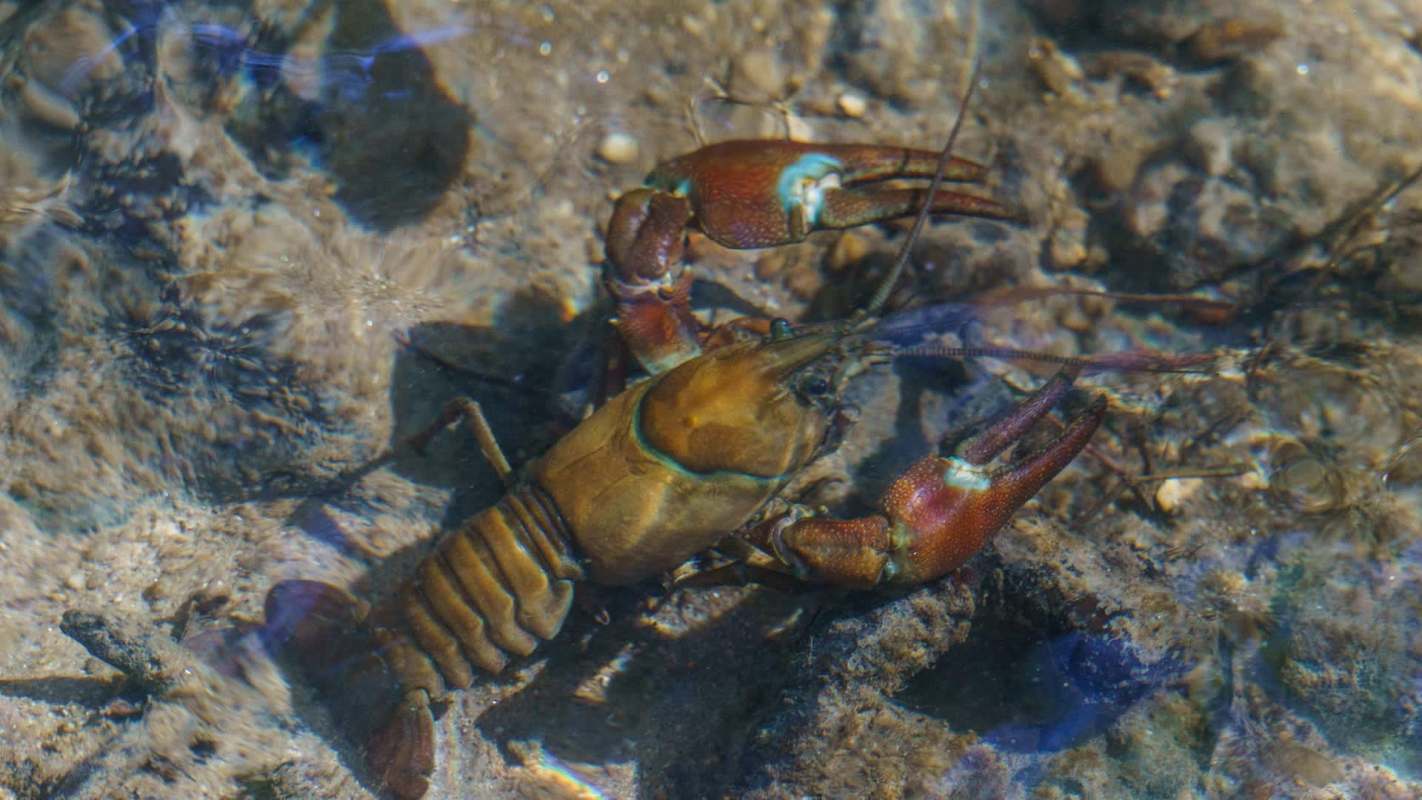
In some of America's most familiar lakes, invasive crayfish now number in the millions, and their impact reaches far beyond the water's edge.
Here's what to know
Lake Tahoe offers one of the clearest examples. As Fox Weather reported, the lake's invasive signal crayfish population is estimated to have climbed from roughly 56 million in the 1960s to about 240 million to 280 million today.
Tahoe is not alone. Fox Weather, citing WorldAtlas, said invasive crayfish have also appeared in places including Lake of the Woods, Crater Lake, Lake Mead, and Lake Michigan.
Different species are driving the problem in different places. Fox Weather reported that rusty crayfish, which are native to the Ohio River Basin, have spread widely through the Great Lakes region and compete with native crayfish for food and shelter. In Lake Tahoe, Fox Weather said signal crayfish were introduced in the late 1800s partly as food for stocked trout and for people to eat.
When they establish themselves outside their natural range, these crayfish can significantly disrupt ecosystems. According to Fox Weather, they eat aquatic plants, algae, and other organisms, changing food webs and removing vegetation that fish and other species depend on.
More background
The damage is not limited to plant loss. Invasive crayfish also prey on other organisms, outcompete native species, and disturb lake bottoms as they move and feed, which can reshape shorelines, reduce habitat, and upset the balance of life in the water.
TCD Picks » Quince Spotlight
💡These best-sellers from Quince deliver affordable, sustainable luxury for all




Healthy lake ecosystems support wildlife viewing and outdoor recreation, while degraded habitats can make it harder for native species to thrive.
According to Fox Weather, human activity is closely tied to the spread of invasive crayfish, whether through discarded fishing bait, aquarium dumping, aquaculture, or intentional introductions.
What's being done?
Because established populations are so difficult to eliminate, officials are concentrating mainly on prevention and population control.
That means restrictions on possessing and transporting invasive crayfish, rules for using them as fishing bait, and targeted trapping and removal intended to cut their numbers and slow their spread.
When invasive crayfish are moved accidentally or intentionally, they can gain a foothold in waters that still have healthier native ecosystems.
The boom in Lake Tahoe's crayfish population shows how quickly an introduced species can change a place people value. Even when the harm starts underwater, the consequences can spread outward, threatening wildlife, recreation, and the health of lakes across the country.

Get TCD's free newsletters for easy tips, smart advice, and a chance to earn $5,000 toward home upgrades. To see more stories like this one, change your Google preferences here.






