


Complaints over one Colorado city's tap water have spilled into the Cañon City Council chambers, where residents packed a meeting to vent about the musty, earthy odor and taste, and showers that smelled like a "swamp."
As The Colorado Sun reported, drought appears to have created the conditions that let algae develop in the city's water system.
Here's what to know
Water superintendent Travis Payne said the problem appears to trace back to reservoir operations during the drought.
Complaints began on July 30 and climbed rapidly over the first weekend in August. As the city was trying to preserve supply, water in the storage reservoir was being refreshed less often, and warmer temperatures then helped create good conditions for algae growth.
According to the U.S. Drought Monitor, as of August 11, over 93% of Colorado was experiencing some level of drought, with nearly half of the state facing extreme or exceptional drought conditions.
Officials said geosmin was behind the problem, per The Sun. The naturally occurring substance is associated with algae growth and can make water smell and taste earthy even when only tiny amounts are present. Thankfully, city officials and the Colorado Department of Public Health and Environment said the levels detected are not known to create a health risk.
TCD Picks » Quince Spotlight
💡These best-sellers from Quince deliver affordable, sustainable luxury for all




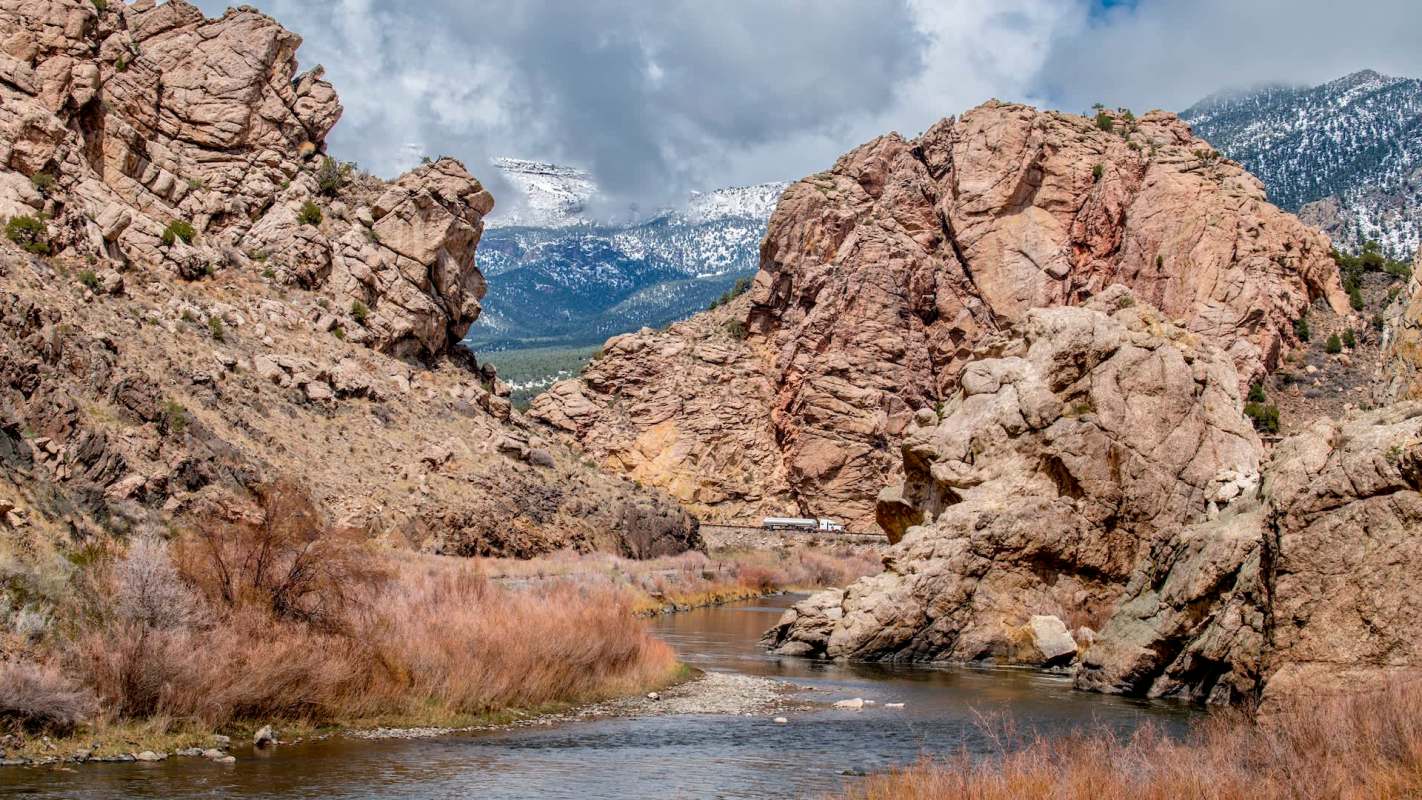
Cañon City draws water from the Arkansas River into one storage reservoir that supplies its treatment plant. The city also stores water in Pueblo Reservoir, where supplies can decline during hot summers because of evaporation. Payne told the outlet that Cañon City uses between 4 million and 5 million gallons of water each day.
The city had already entered Stage 1 water restrictions on July 1 and had urged residents to conserve water during a drought information session on May 12. Even with those efforts, residents were reducing water use by only about 10% to 13%, falling short of the city's target of up to 30%.
More background
Safe water is not always pleasant water. According to The Sun, residents have been buying bottled water, boiling tap water, or using filters to try to cover up the smell and taste, and businesses have felt the effects right away.
Some local restaurants have stopped serving fountain soft drinks until conditions improve, adding another burden to a tourism economy already dealing with drought and lower river activity.
Drought can shrink water supplies, raise temperatures in reservoirs and rivers, strain ecosystems, and trigger public health concerns even when contamination is not severe.
It can also damage local businesses, reduce recreation and tourism revenue, and leave residents spending more money simply to feel comfortable using basic services such as tap water.

Get TCD's free newsletters for easy tips, smart advice, and a chance to earn $5,000 toward home upgrades. To see more stories like this one, change your Google preferences here.







