


Long before electric vehicles became mainstream, a tiny battery-powered railcar was already zipping through one of the busiest crossings in the United States.
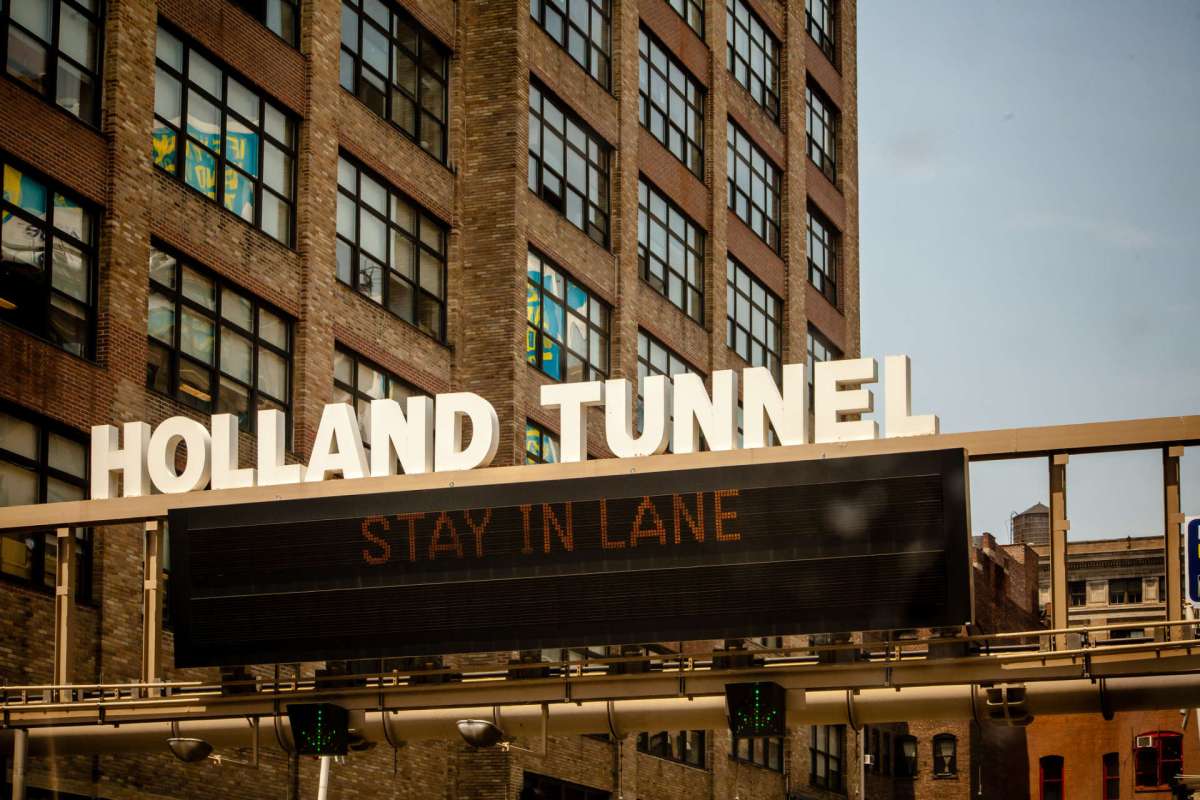
The unique machine once patrolled the Holland Tunnel between lower Manhattan, New York, and Jersey City, New Jersey.
At just 2 feet wide, it rode on a narrow catwalk above traffic and carried police officers through the 1.6-mile tunnel at speeds of up to 12 miles per hour.
Here's what to know
When the Holland Tunnel opened in 1927, it did so without any train system, as Jalopnik reported. Officers did not get the specialized line until 1954, when a narrow track was installed to allow them to patrol the tunnel and report accidents.
The vehicle was not able to turn around on the thin track. It had to reverse through the tunnel, so its seat was designed to swivel, with the officer turning around inside the railcar for the trip back. Jalopnik said the one-person electric vehicle weighed about 1,300 pounds and relied on a three-horsepower motor.
The setup was designed to reduce staffing needs. Popular Mechanics reported that the system allowed the tunnel to be patrolled by four officers rather than six.
TCD Picks » Quince Spotlight
💡These best-sellers from Quince deliver affordable, sustainable luxury for all




The Lincoln Tunnel also got its own catwalk cars in 1960, though those were open-top vehicles with gas engines that, according to Jalopnik, could reach 35 mph.
More background
A 2012 Hoboken Historical Museum retrospective, covered by The New York Times, revisited the Holland Tunnel's history and the engineering ambitions behind it.
Jalopnik reported that a tunnel was originally pitched as the cheaper option compared to a bridge — $11 million versus $42 million — but, after all was said and done, the final cost had climbed to $48.5 million by the time it opened in 1927.
The tunnel takes its name from Clifford M. Holland, the project's first chief engineer. Holland died before the work was completed, and the next chief engineer, Milton Freeman, also died before it was finished. Ole Singstad, who became the third chief engineer, ultimately saw the project through.
The tunnel also pioneered a major public-health innovation focused on proper ventilation. According to Jalopnik, four buildings, two on each side of the Hudson River, contain 84 fans that keep cycling the tunnel's air, completing a full exchange every 90 seconds. That design influenced the Lincoln Tunnel as well.
Interestingly, the catwalk cars were not retired until 2011.
What can be done?
Electric vehicles are hardly a new idea, and despite the recent popularization, their practical advantages have been clear for decades.
EVs can help households save money on fuel costs while also reducing routine maintenance, since they do not require oil changes and generally have fewer moving parts to service.
If this bit of history has you thinking about buying an electric vehicle, home charging is one of the biggest perks. Charging an EV at home can be cheaper than using public chargers, but basic home charging tends to be slow.
Qmerit provides installation estimates for home charger installations, which can make home charging more practical and economical.
The Holland Tunnel's miniature patrol train was built for a very specific job, but compact electric transportation has long been capable of doing real work efficiently in places where space, air quality, and operating costs matter most.

Get TCD's free newsletters for easy tips, smart advice, and a chance to earn $5,000 toward home upgrades. To see more stories like this one, change your Google preferences here.






