


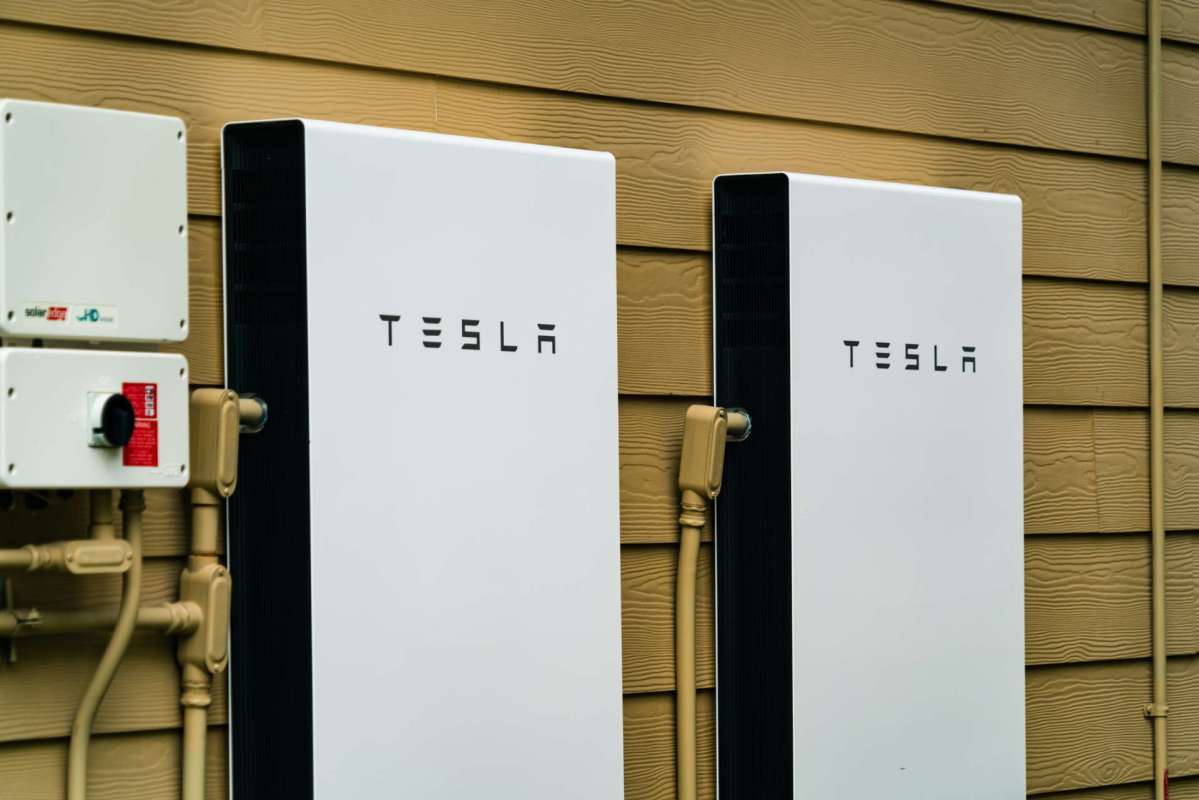
One ambitious Redditor is trying custom automation software to optimize the value of a Tesla Powerwall system.
For homeowners who have already spent big on solar panels and battery backup, the next question is often simple: How do you get even more value from the system you already own?
Here's what to know
The discussion among Tesla Powerwall users on the r/TeslaSolar forum centered on the idea that Tesla's app is easy to use but can still leave more advanced owners wanting finer control over when their batteries charge and discharge. It explored whether Tesla's app is enough for Powerwall owners or if outside tools can offer more.
The original poster was specifically looking for community feedback about the features in their custom battery management software that ran on a Raspberry Pi and connected via API.
The poster summed up the frustration this way: "I wanted more out of my system / battery and I wanted more refined / granular control over my powerwall."
Adding battery storage is one of the best ways to protect a home during outages, save money on energy, and move closer to going off-grid. A well-managed battery can also help a household rely more on stored solar power during expensive evening hours instead of buying electricity from the grid at higher rates.
More background
The interest in more advanced Powerwall control reflects a shift in home energy and utility rate structure. People are no longer just buying backup power. They are also trying to optimize it for variable utility rates and government-sponsored changes to utility rates.
For many households, that means finding better ways to match battery behavior with utility rate plans, solar production, and backup priorities.
Save $10,000 on solar panels without even sharing your phone number Want to go solar but not sure who to trust? EnergySage has your back with free and transparent quotes from fully vetted providers in your area. To get started, just answer a few questions about your home — no phone number required. Within a day or two, EnergySage will email you the best options for your needs, and their expert advisers can help you compare quotes and pick a winner. Solar panels can save you more than $50k over their 25-year lifespan, and EnergySage can help you save as much as $10k on installation. Which begs the question — isn't that worth an email or two? |

Even small timing changes can affect the return on an expensive battery installation. If a system stores excess solar power in the afternoon and avoids drawing from the grid during peak evening pricing, that can translate into lower monthly bills.
Battery storage is also becoming more appealing as more homeowners look for resilience during blackouts. It is one of the clearest ways to keep key appliances running when the grid goes down while also cutting dependence on fuel-powered generators.
What can be done?
Utility rates at different times of day and battery configuration both affect the total value of a Powerwall.
If app settings are too limited for a household's goals, community forums can be useful places to compare real-world setups and learn about other owners' solutions.
Battery size and software experience can make a major difference. A battery that is oversized for a household's needs may cost more than necessary, while one that is undersized may not deliver enough backup power or bill savings to justify the investment.
Maximizing backup protection, reducing electric bills, or supporting a more independent, off-grid lifestyle can all lead to different products and control strategies.
Some consumers want energy hardware that works not just automatically, but intelligently and on their own terms.

Get TCD's free newsletters for easy tips, smart advice, and a chance to earn $5,000 toward home upgrades. To see more stories like this one, change your Google preferences here.






