


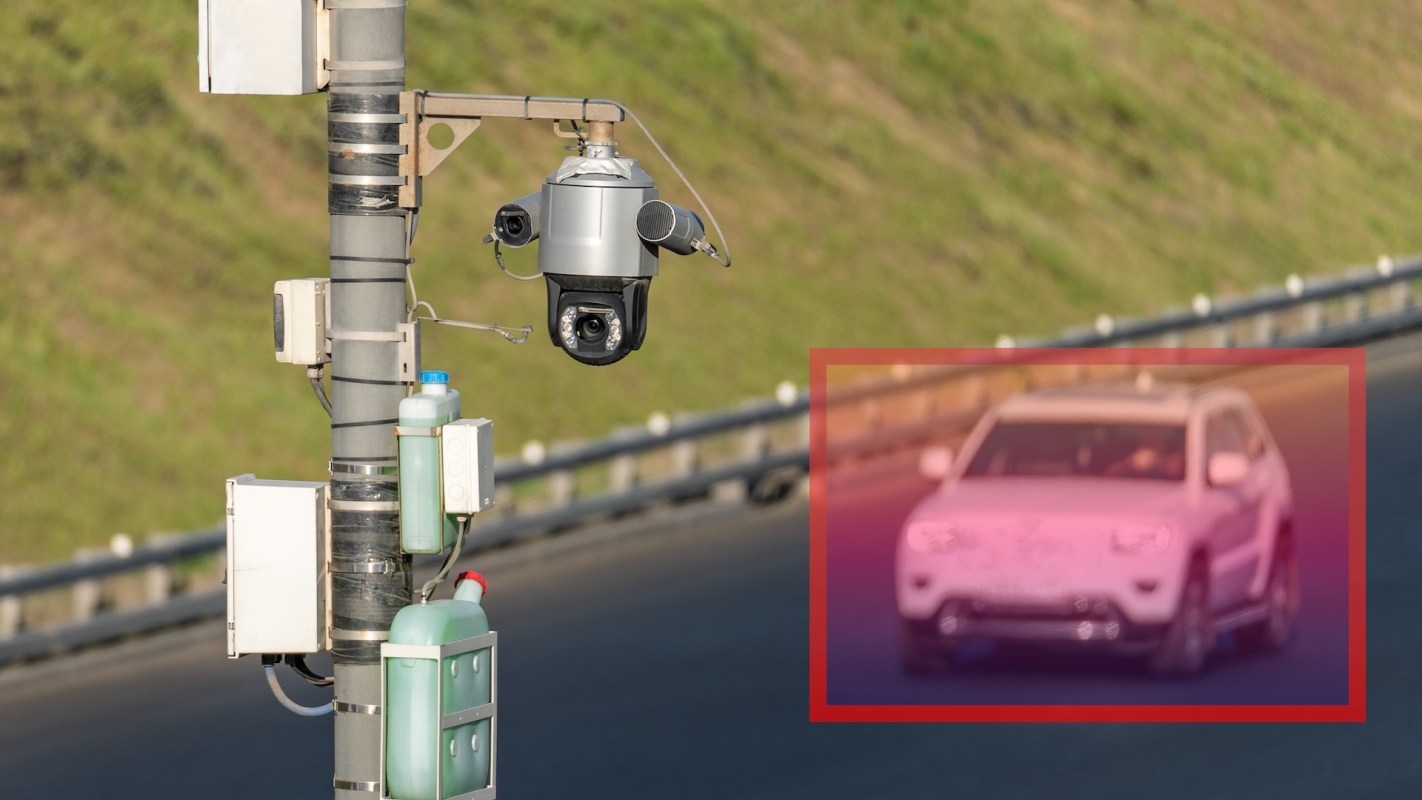
Melissa Corrigan, a Norfolk activist and Navy veteran who served in Operation Iraqi Freedom, said she was left shaken after an Immigration and Customs Enforcement agent called her by name during an operation, even though the two had never met.
After seeking public records, she discovered that city surveillance cameras had captured her car more than 100 times over a three-day period.
Her experience is now helping fuel a broader fight over the spread of AI-powered license plate readers across Virginia.
Here's what to know
After the encounter, Corrigan said she began wondering whether the city's Flock Safety camera network helped identify her.
She said that she still does not know how the ICE agent knew who she was, and WHRO reported that her vehicle was recorded by Flock cameras from February 16 to 18.
"My heart was pounding," Corrigan said. "I was scared. ICE mentioned my name out of the blue, and I had no idea how they knew my identity."
TCD Picks » Quince Spotlight
💡These best-sellers from Quince deliver affordable, sustainable luxury for all




Across places including Fairfax County, Richmond, Alexandria, Bridgewater, and Elkton, resistance to automated license plate readers, or ALPRs, has been building, and Corrigan's account has added to that momentum.
Privacy advocates say the systems amount to mass surveillance because they can monitor people's everyday movements without a warrant.
Several Virginia localities have already pulled back from Flock. Staunton deactivated its cameras in December 2025, Charlottesville ended its contract that same month, Harrisonburg voted on July 14, 2026, to terminate its deal, and Elkton's town council cut ties on July 20.
More background
According to Flock Safety, its cameras are now used in more than 6,000 communities and by over 1,000 businesses across the country. Data from FlockHopper indicates that Virginia has about 3,000 cameras spread among more than 150 municipalities.
Critics say the concern extends beyond crime prevention and centers on who controls personal data.
Zachary Caudle, a cloud and network engineer who helped organize opposition in Elkton, framed it this way: "If you don't hold the encryption keys, or the access to the infrastructure, you do not own the data that resides within it."
The debate also ties into a broader conversation around AI. These systems depend on cloud computing, pattern recognition, and large-scale data processing, all of which strain the energy grid.
While AI can offer real benefits, such as optimizing traffic flow and improving clean energy systems, it can also consume enormous amounts of electricity and water to power data centers, raising concerns about misuse, security failures, and unintended consequences such as rising utility costs.
In Fairfax County, officials have defended their use of the technology.
Fairfax police Major Hudson Bull of the department's Real Time Crime Center told VCIJ that the county uses the cameras "responsibly and with a ton of oversight" and does not provide ALPR data to federal agencies such as ICE.
What's being done?
The resistance has taken concrete form in several Virginia communities. In Elkton, more than 70 residents appeared before the town council to demand action, while elsewhere people have used public records requests, town meetings, and organized testimony to try to slow or reverse camera deployments.
In Bridgewater, resident Anna Cubbage started a local branch of DeFlock after learning that law enforcement agencies had accessed data from the town's cameras millions of times.
She said the fight is also about public transparency: "It's a question about whether or not we get to have a say."
For Corrigan, though, the issue has become deeply personal.
"I asked if the searches were specifically for my license plate, they said they weren't," she said. "But it was enough to freak me out."

Get TCD's free newsletters for easy tips, smart advice, and a chance to earn $5,000 toward home upgrades. To see more stories like this one, change your Google preferences here.






