


Rooftop solar can generate clean, cheap electricity during the day. However, home battery storage has long been one of the biggest sticking points for solar because homeowners still need a dependable way to keep power flowing after sunset or when the grid goes down.
Now, German startup Revolta AG says it may have a new answer that sounds the opposite of revolting: a high-voltage sodium home battery that is more affordable and less complex than conventional lithium-ion batteries.
Here's what to know
At Intersolar Europe 2026, Revolta AG introduced a first-of-its-kind high-voltage sodium home battery, according to The Tech Edvocate.
Sodium has several advantages over lithium. First, it is far more abundant than lithium, which could eventually help lower battery storage costs and ease pressure on supply chains. Sodium-ion batteries are also generally less likely to pose the same rare — yet serious — fire risks associated with lithium-based systems.
However, as The Tech Edvocate noted, sodium-ion batteries typically require many connected cells, making them bulky and impractical.
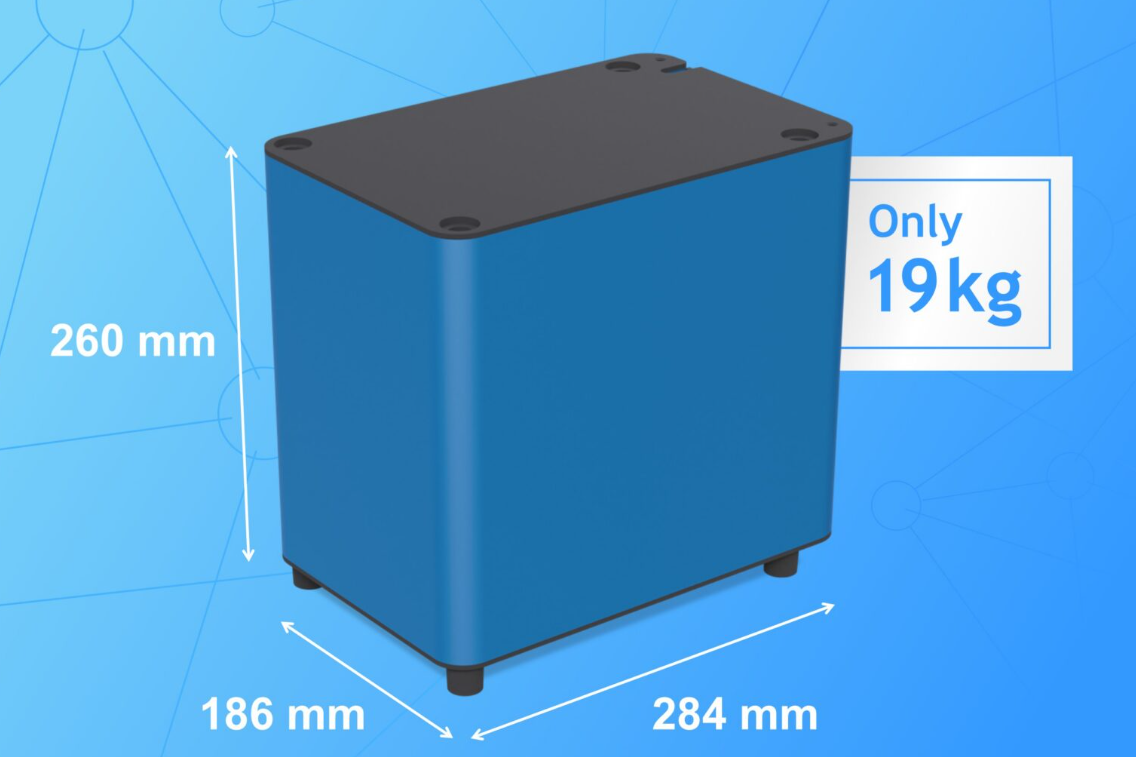
Revolta AG's proprietary transformer has increased the voltage output by roughly 50 times, meaning a 2.2-kilowatt-hour module needs only three sodium-ion cells to run. If homeowners start with one 2.2 kWh unit, they can scale up later to a total of 22 kWh of storage.
TCD Picks » Quince Spotlight
💡These best-sellers from Quince deliver affordable, sustainable luxury for all




Why does it matter?
Lithium-ion technology has been central to the growth of home solar storage, but it has also introduced some notable compromises.
Expensive upfront costs, safety concerns, and the environmental impacts of mining and processing lithium have prompted the industry to explore alternative options.
Because sodium is widely available, it has the potential to support a broader, more resilient supply chain. And as more households, cities, and businesses seek battery storage, that broader and more resilient supply chain could become increasingly important.
A larger home battery can store excess solar power produced during the day and use it during peak evening hours, which can help lower utility bills in places with time-of-use pricing.
It can also keep essential appliances and devices running longer during severe weather and power outages. Revola AG's design introduces a level of flexibility that could make backup power more feasible for families facing blackouts or high evening electricity rates.
The technology could also benefit installers and utilities. Smaller, more flexible battery systems may be easier to integrate into existing solar setups, while broader use of home storage could help reduce grid strain during periods of high demand.
"As distributed energy resources grow, having inherently safer and more sustainable storage options at the residential level is crucial for grid operators. It de-risks the entire system," said Dr. Elena Petrova, a materials scientist at the Institute for Sustainable Energy, per The Tech Edvocate.

Get TCD's free newsletters for easy tips, smart advice, and a chance to earn $5,000 toward home upgrades. To see more stories like this one, change your Google preferences here.







