


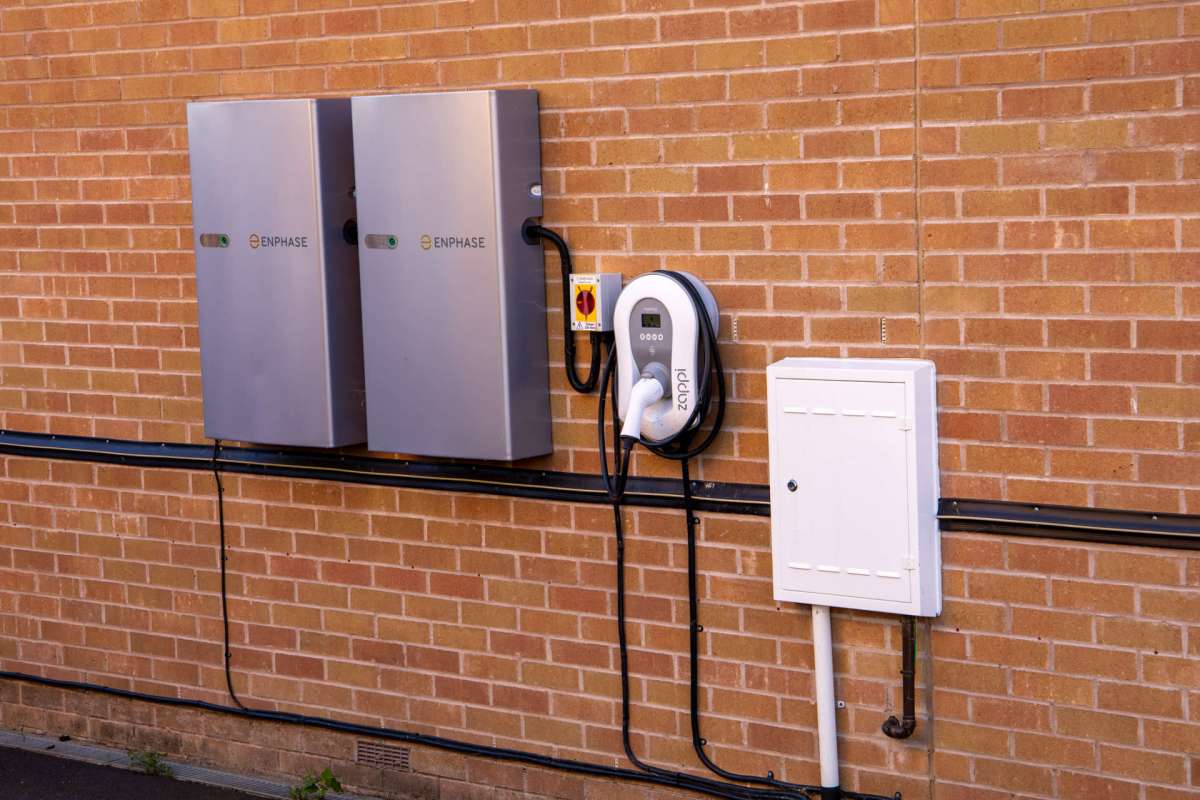
Many households may get more value from starting their energy-independence plans with a home backup battery, even though rooftop solar is often seen as the obvious first purchase. A battery can keep essential devices running during outages and help lower electricity costs over the year.
Before solar panels are installed, battery storage can provide immediate value. It can supply power when the grid fails, reduce utility bills by shifting when electricity is used, and make a later transition toward off-grid living easier to manage.
Storage can also improve the usefulness of solar itself. With a battery in place, homeowners can save excess daytime generation for later use, rather than sending it all back to the grid, including after sunset.
Here's what to know
In a piece published in the Bennington Banner, the argument is that homeowners who want dependable backup power and greater control over electricity use should consider adding batteries before panels.
Solar panels produce power, but they don't store it. That means surplus electricity generated during the day is typically sent to the grid unless a battery is connected, so a home can still lose power during an outage and depend on the grid after dark.
The case for storage has grown stronger as some utility billing policies have become less favorable to solar-only setups. California is a notable example, where net-metering changes lowered the value of exporting extra power to the grid and made it more appealing for homeowners to keep that energy and use it during peak-rate periods.
If you're considering that route, it may be worth exploring EnergySage's free tools to get information about home battery storage options, including competitive installation estimates. EnergySage has also teamed up with the electrification brand Qmerit to guarantee you get the best price on home battery storage solutions.
More background
Proving backup during emergencies is only one part of a battery's value. These systems can take on charge when electricity is cheaper and discharge later, such as during afternoon or evening time-of-use price spikes, helping lower monthly bills without requiring a household to go fully off-grid.
Save $10,000 on solar panels without even sharing your phone number Want to go solar but not sure who to trust? EnergySage has your back with free and transparent quotes from fully vetted providers in your area. To get started, just answer a few questions about your home — no phone number required. Within a day or two, EnergySage will email you the best options for your needs, and their expert advisers can help you compare quotes and pick a winner. Solar panels can save you more than $50k over their 25-year lifespan, and EnergySage can help you save as much as $10k on installation. Which begs the question — isn't that worth an email or two? |

For households that want more resilience and more control over energy use, this makes battery storage a practical option. Even without solar, a battery can keep a refrigerator, lights, Wi-Fi, and work devices on during a blackout.
The report also disputes the idea that backup power must be permanent or complicated. Some newer systems are portable, plug-and-play batteries that do not require immediate electrical upgrades.
Another option worth knowing about is Pila, which offers excellent battery backup options. Its plug-and-play batteries are priced at a fraction of the cost of a whole-home backup system.
What can be done?
For homeowners who are considering solar, prioritizing storage can be a sensible strategy. A battery delivers backup power right away, and once solar is added, it can make that system more valuable by allowing a household to save the electricity it produces for the times it matters most.
Newer battery systems come with multiyear warranties and expected lifespans that can extend well beyond 10 years. Bennington Banner cited Jackery examples rated for more than 11 years and more than 16 years, depending on the model.
Portable batteries may be the simplest starting point for renters or anyone not ready for a full installation. And homeowners seeking more coverage can add a transfer switch to extend a battery system's reach without incurring the cost and permanence often associated with a traditional standby generator.
As utility rate structures continue to shift and extreme weather puts more pressure on the grid, home energy storage is increasingly looking like a practical resilience upgrade, not a luxury. For many families, the first meaningful step toward energy independence may be a battery that can keep the lights on when it counts, not rooftop solar panels.

Get TCD's free newsletters for easy tips, smart advice, and a chance to earn $5,000 toward home upgrades. To see more stories like this one, change your Google preferences here.






