


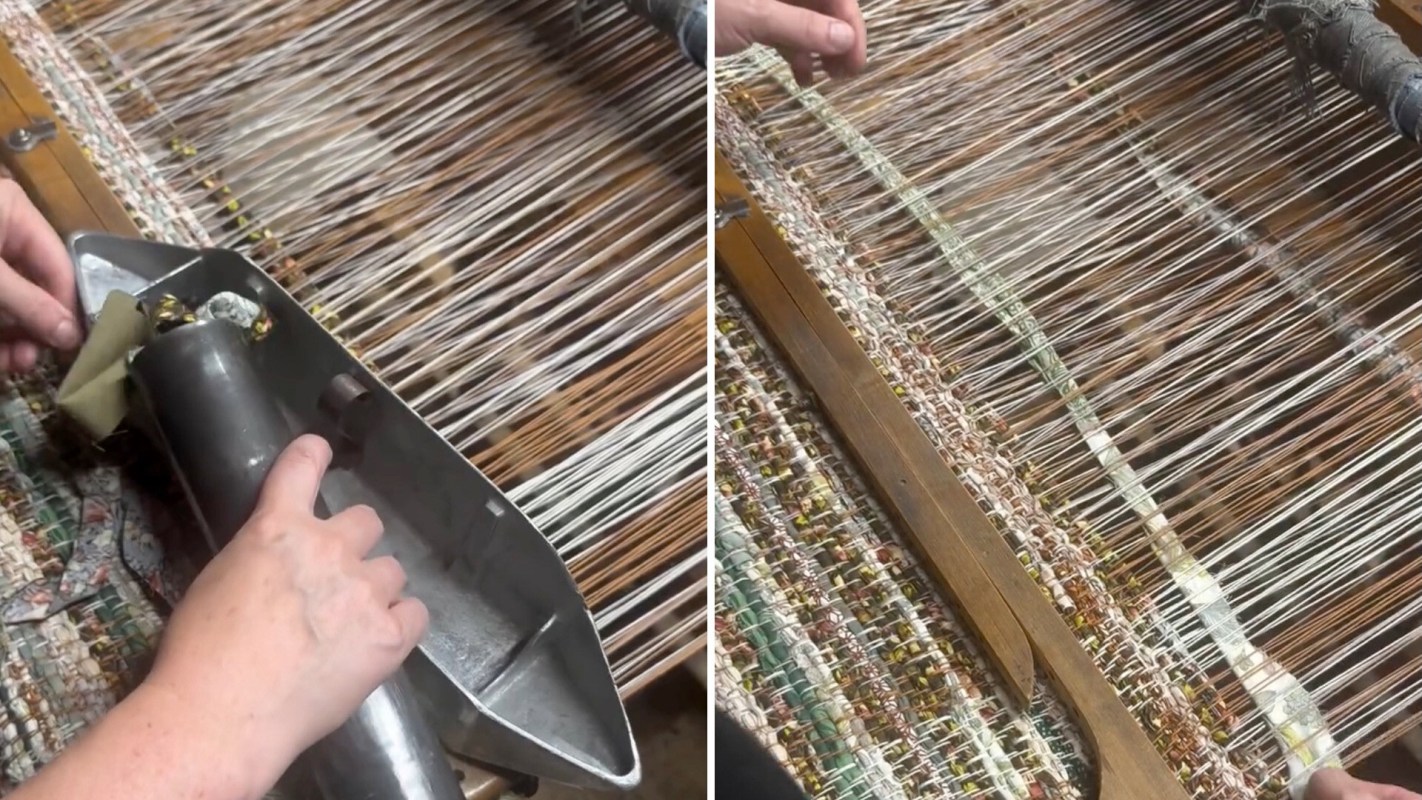
Four generations after it first entered a household, a family loom in Minnesota is still turning discarded fabric into useful rag rugs.
What happened?
Fabric scraps being turned into rag rugs are part of the appeal of an Instagram post by The Rug Lady (@4GenWeavers). The Minnesotan creator said it has stayed in the family for four generations, having first belonged to a great-grandmother, and has served over time as a practical way to support the household.
As the creator said in the video, the great-grandmother's loom "was there to help her afford things for her children. It then was there to help provide for my own grandmother's children. And now it's mine."
How is this helpful?
Using worn textiles this way can spare families the cost of buying new household items while keeping old fabric out of the trash.
Rag rugs have long been one of the clearest examples of practical upcycling. Rather than treating old sheets and clothing as trash, makers cut them into strips and weave them into sturdy mats and rugs that can stand up to high-traffic areas of the home.
For crafty households, that can lower material costs because the main input is often something already on hand.
TCD Picks » Quince Spotlight
💡These best-sellers from Quince deliver affordable, sustainable luxury for all




It can also reduce the need to buy brand-new décor, which sometimes favors being trendy over being durable. And you don't have to have a fancy loom like this creator either. It's possible to make a loom out of cardboard for a rug as long as you have a big enough piece.
People also appreciated what the creator had to say about the loom in the comments.
One person responded, "I think of my looms as as valuable to me as beloved vintage cars. So, I get it. Thank you."
What can I do?
Old linens, damaged clothes, and leftover sewing scraps can often be reused in ways that are functional and decorative.
The same mindset can apply at any skill level. Fabric can become cleaning rags, patch material, braided mats, tote bags, or stuffing for other projects.
People who already sew or practice other fiber arts may find that saving scraps makes creative hobbies more affordable. Keeping older tools or inherited equipment in use can also preserve both value and history.

Get TCD's free newsletters for easy tips, smart advice, and a chance to earn $5,000 toward home upgrades. To see more stories like this one, change your Google preferences here.







