


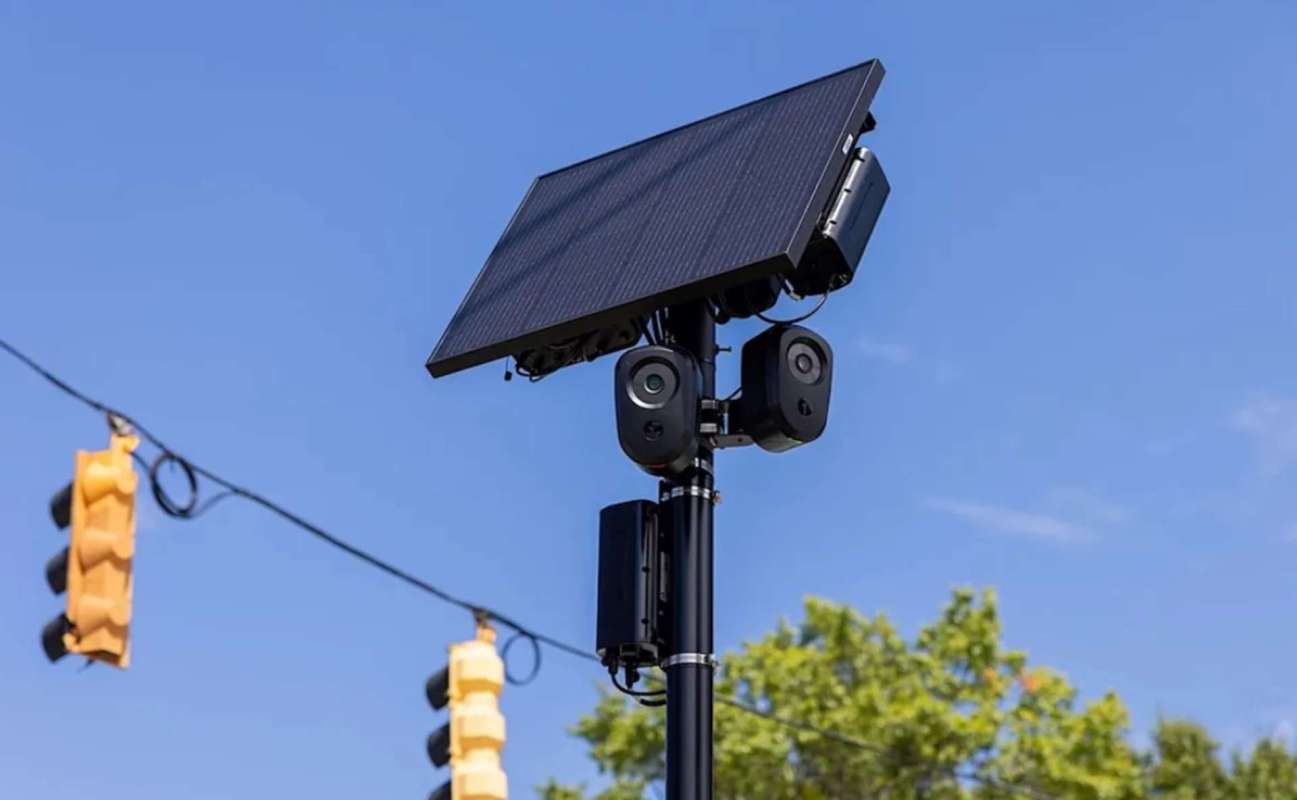
Privacy activists across Virginia's Shenandoah Valley have helped push several communities to remove Flock license plate reader cameras.
Much of that momentum followed the release of public records indicating that, in several cases, police agencies — rather than elected councils — were the ones handling the agreements and rollout.
Here's what to know
According to WMRA, freedom-of-information materials cited by the local activist group Deflock the Valley indicate that, in places including Elkton, Virginia, police coordinated directly with Flock on buying, placing, and installing the cameras, with little public discussion beforehand.
That disclosure has already led to policy reversals. WMRA reported that Harrisonburg and Elkton decided to end their Flock agreements after Charlottesville and Staunton had already done so in late 2025. Activists are now turning their attention to Bridgewater and Grottoes.
The move comes as more communities across the country take issue with the license plate reading cameras, citing privacy concerns.
Bridgewater resident and Deflock the Valley member Anna Cubbage told WMRA that she did not initially realize what the cameras were for: "I mean, I noticed them when they went up, but I just assumed that it was just another speed camera, essentially."
TCD Picks » Quince Spotlight
💡These best-sellers from Quince deliver affordable, sustainable luxury for all




When she learned of what the cameras were capable of, Cubbage said she was shocked.
More background
As WMRA reported, Flock cameras capture license plate data and store it for police to search during investigations. Supporters argue the technology can accelerate serious criminal investigations. Rockingham County Sheriff Bryan Hutcheson pointed to a violent abduction case in which officers received a camera alert in less than 10 minutes after entering the vehicle information.
Critics, though, argue that broad surveillance systems can make everyday life feel less free, especially when residents had little say in whether the devices were installed in the first place. There are also concerns about the potential for false arrests or wrongful traffic stops.
Funding has become another point of scrutiny. A Cardinal News investigation cited by WMRA found that many Valley agencies first bought the cameras using Virginia's Help Eliminate Auto Theft grant, which is funded through assessments on motor vehicle insurers, meaning the cost ultimately reaches drivers through insurance premiums.
And when those grants run out, local bills remain: Harrisonburg city spokesman Michael Parks said the city's annual cost for the cameras was more than $79,000.
Activists have also objected to Flock's newer Condor camera, which offers live and recorded video. Footage they obtained showed an Elkton officer zooming in on people at a gas station late at night, deepening concerns that a tool promoted for crime detection could slide into ordinary monitoring of people in public.

Get TCD's free newsletters for easy tips, smart advice, and a chance to earn $5,000 toward home upgrades. To see more stories like this one, change your Google preferences here.







