


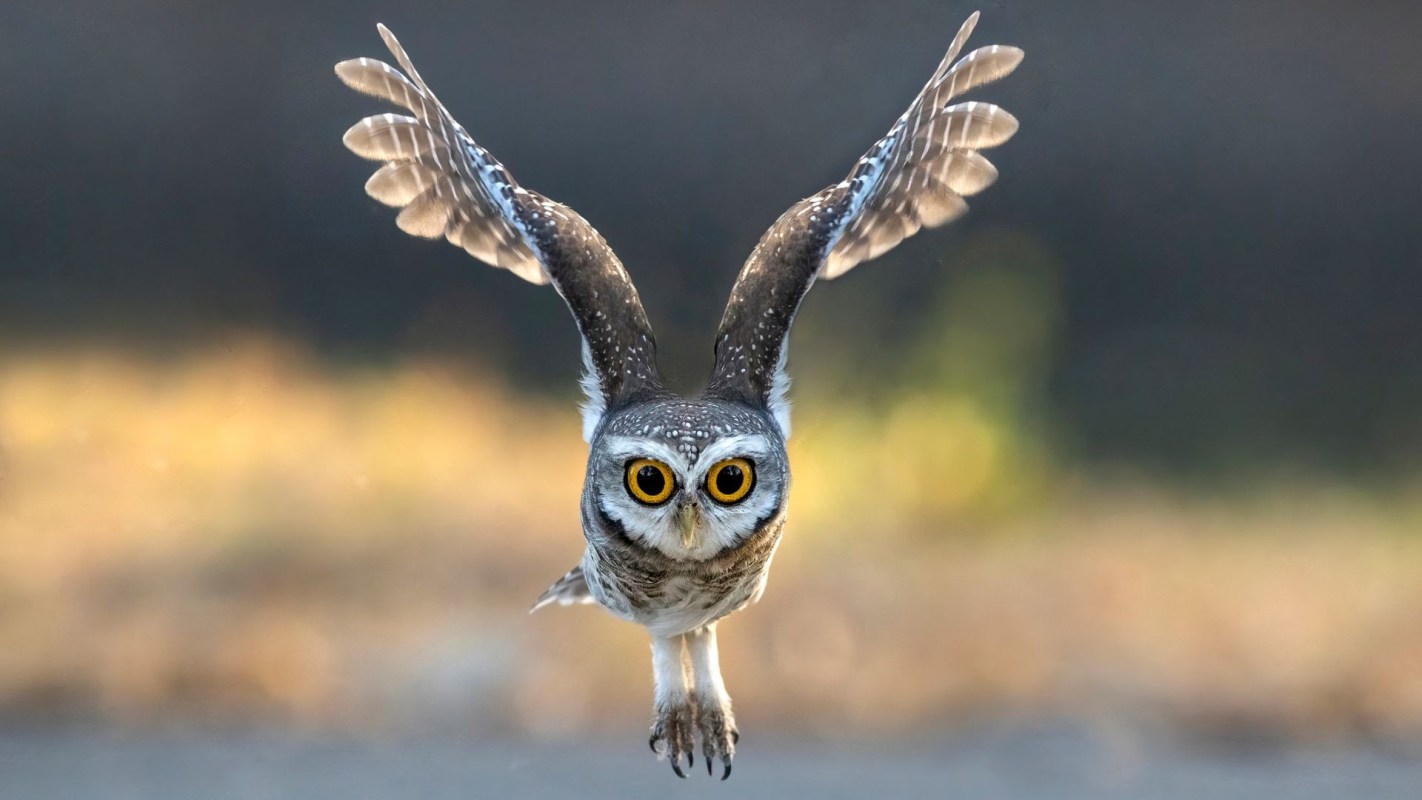
A look at owl populations can tell us something about the places they inhabit. When these birds are thriving, it often suggests the ecosystem — and the food web supporting it — is still functioning well.
Here's what to know
Joel Sartore, a photographer and founder of the National Geographic Photo Ark project, took to Instagram to spotlight the important role owls play in nature. He said strong owl populations can indicate that prey species lower in the food chain are thriving, too.
In the post, Sartore described owls as an indicator species, meaning their condition can reflect what is happening across the wider environment.
Their role extends beyond supporting biodiversity: by hunting rodents, owls can also provide a practical benefit to people.
More background
Predators at the top can influence entire ecological networks. If they disappear, prey species may grow out of balance, creating extra pressure on vegetation, crops, and other wildlife.
Many owl species feed on rodents — animals that can spread disease and damage crops — so their presence can matter for human communities as well as natural systems. As a result, healthy owl populations can support both.
TCD Picks » Quince Spotlight
💡These best-sellers from Quince deliver affordable, sustainable luxury for all




Because of that, indicator species can serve as early alerts, with changes in their health pointing to environmental shifts before the consequences become impossible to ignore.
Healthier ecosystems can mean fewer pest outbreaks, more resilient farms, and stronger biodiversity in local landscapes — all of which can affect food systems, outdoor spaces, and public health.
What can be done?
Protecting owls starts with protecting the habitats and food webs they rely on. That can include preserving forests, grasslands, wetlands, and other open spaces where prey species can thrive and where owls can safely nest and hunt.
At the local level, residents can support wildlife conservation efforts, animal-friendly policies, and community habitat restoration projects by turning their lawns into rewilding projects and avoiding harsh pesticides.
Heavy use of pesticides and rodent poison can disrupt the same food chains owls depend on, weakening ecosystems that might otherwise help regulate pests naturally.
Even small choices — such as supporting native landscaping, backing wildlife rescue groups, or advocating for more protected green space — can help create healthier conditions for birds of prey and the species beneath them.
Sartore summed up the stakes clearly: "A healthy owl population is a sign of a balanced ecosystem."

Get TCD's free newsletters for easy tips, smart advice, and a chance to earn $5,000 toward home upgrades. To see more stories like this one, change your Google preferences here.







