


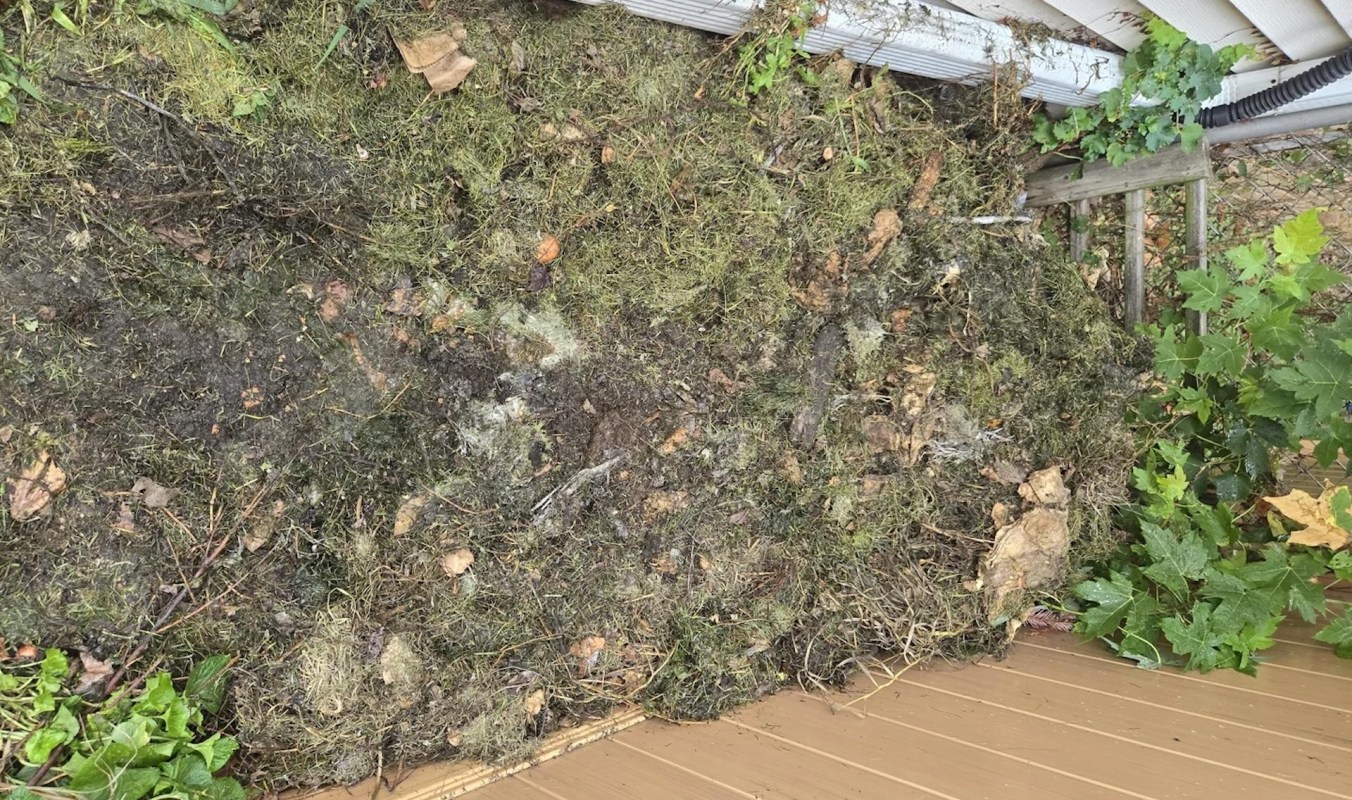
Watching a compost pile turn hot, white, and wormy can be alarming for anyone new to the hobby, especially if you're not exactly sure what it should look like.
That was the situation one parent brought to Reddit's r/Composting community, and the response quickly showed that many compost "problems" are actually signs that decomposition is doing exactly what it is supposed to do.
Here's what to know
In a post, the new composter wrote, "I just had my first child so I haven't been as diligent in tending to the pile. My Carbon/Nitrogen balance is definitely off but I'm wondering if it's completely screwed."
Experienced composters in the replies said the pile sounded fixable, and certainly not ruined. Their assessment was that it had too much nitrogen-rich material, or "greens," and would likely improve with more carbon-rich "browns" such as dry leaves, cardboard, or straw.
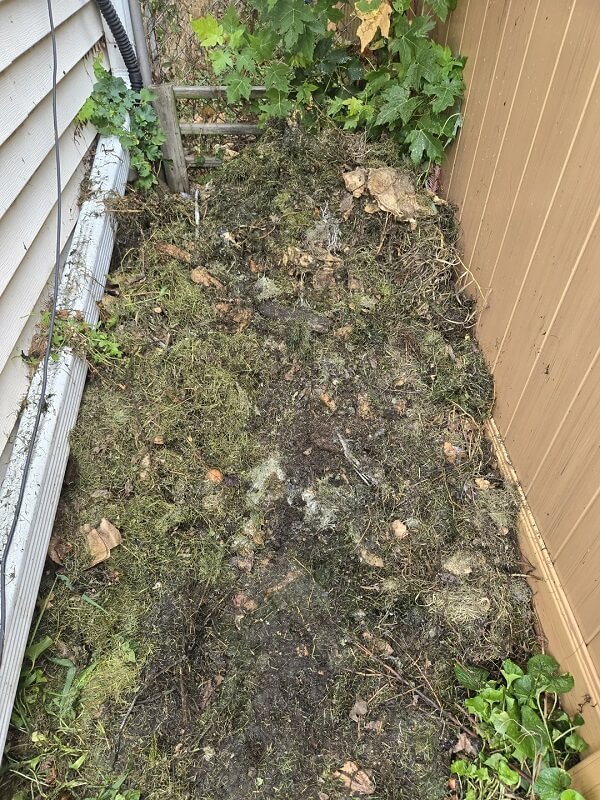
One wrote, "The answer to your question is: it's fine… Mix it up, add browns… You should [also] move it because you're putting your house at risk."
Commenters were also not especially worried about the white, powdery material. In the thread summary, one person said it could be harmless actinomycetes, a common group of microbes involved in breaking down organic matter.
TCD Picks » Quince Spotlight
💡These best-sellers from Quince deliver affordable, sustainable luxury for all




Ultimately though, users ended up focusing less on whether the compost was "screwed" and more on where it was located. Because the pile was set against a garage and fence, many suggested more distance from nearby structures and better airflow to help it function more safely and effectively, avoiding a fire or the accidental composting of the garage's walls or fence.
More background
For beginners, compost can look alarming at the exact moment it is doing its job. Heat is a natural byproduct of microbial activity, worms can be a healthy sign, and white filaments or powder often appear as materials break down.
A compost pile that is too rich in greens can become slimy, smelly, or overly hot, while a pile with enough browns tends to stay looser, better aerated, and easier to manage. Turning the pile and adjusting moisture can also help keep decomposition on track.
Compost is one of the simplest tools for better gardening. It can improve soil texture, help plants retain moisture, and support healthier harvests without relying as heavily on store-bought inputs. For households that are growing their own food, that can mean lower grocery bills, better-tasting produce, and a more rewarding connection to what ends up on the table.
Gardening itself can bring less obvious benefits as well. Time spent digging, planting, and tending beds can add gentle physical activity to a routine while also supporting mental health through stress relief and time outdoors. A healthy compost pile helps make all of that easier.

Get TCD's free newsletters for easy tips, smart advice, and a chance to earn $5,000 toward home upgrades. To see more stories like this one, change your Google preferences here.







