


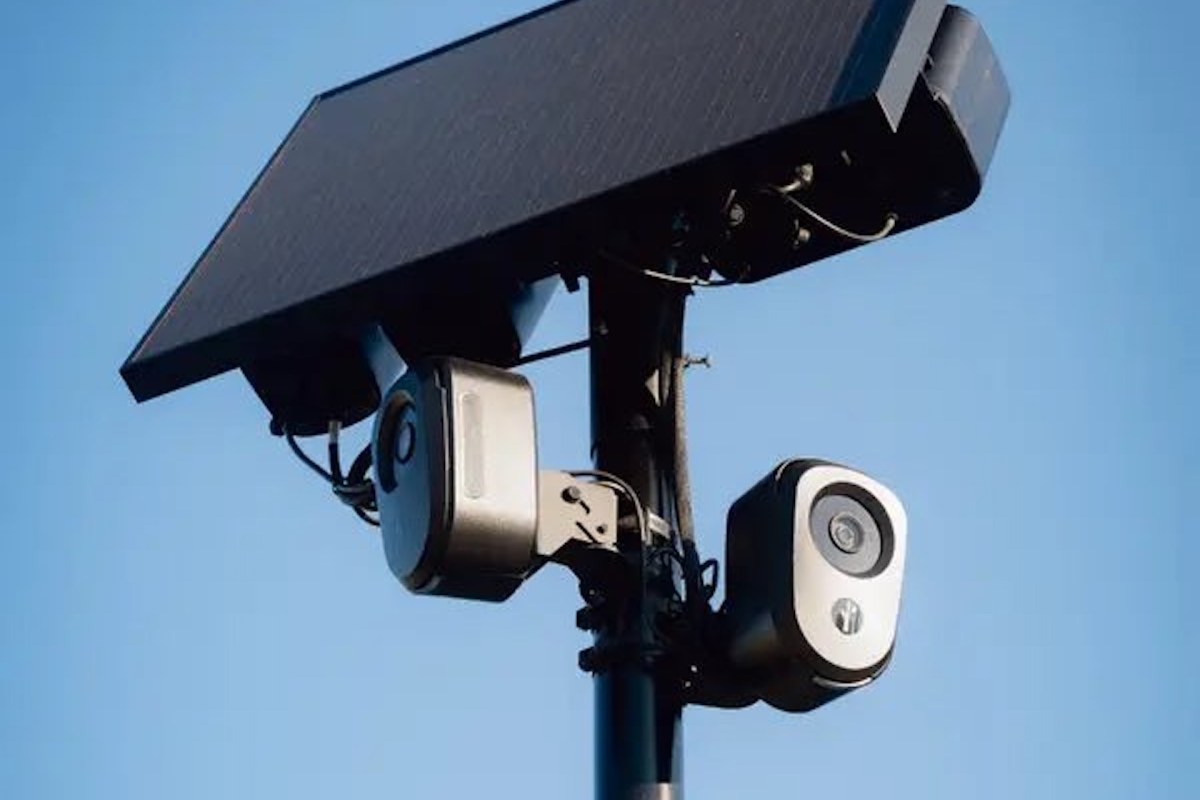
An agreement between the city of Newburgh, New York, and automated license plate reader company Flock Safety will remain in place for now.
City council members were divided on whether to end it, even as criticism grows over false matches, privacy concerns, and the risks the system poses to vulnerable residents, WAMC reported.
Here's what to know
A contentious council meeting ended without enough votes to approve Councilman Omari Shakur's proposal, which would have terminated Newburgh's Flock contract and required the city to stop using the devices within 14 days.
New website "Have I Been Flocked" lets drivers check whether law enforcement has searched their license plate in Flock camera databases. pic.twitter.com/GkPVHYId9t
— SAY CHEESE! 👄🧀 (@SaycheeseDGTL) August 16, 2026
According to WAMC, Shakur, Councilwoman Giselle Martinez, and Councilman Robert McLymore supported the measure, while the remaining members either voted no or abstained.
The divide was less about concerns about Flock and more about whether Shakur's resolution was the right mechanism to end the arrangement.
Newburgh had already renewed the contract in January, even as dozens of cities and agencies nationwide moved away from Flock because of fears that its data could be used for immigration enforcement or other unauthorized surveillance.
TCD Picks » Quince Spotlight
💡These best-sellers from Quince deliver affordable, sustainable luxury for all




People who addressed the council said those dangers are not theoretical. During public comment, city resident Corbin Laedlein cited documented community problems caused by the devices.
"There are the instances of the false positives and you know people getting flagged by this technology and then being held at gunpoint or with dogs drawn on them for having done nothing," Laedlein warned, per WAMC.
More background
Police departments say automated license plate readers can help locate missing people and track suspects in violent crimes.
The cameras record plate numbers and other vehicle information as cars pass by, then enter that data into a searchable system accessible across jurisdictions. Privacy advocates have said that the capability amounts to something far more dangerous than traditional policing tools.
Daniel Schwarz, senior privacy and technology strategist for the New York Civil Liberties Union, called Flock's system "a completely new form of invasive surveillance" built on a wide camera network and centralized database.
Examples of mistakes and misuse have added to those concerns. As WAMC noted, Arkansas police in February drew guns on and arrested a family after a Flock camera falsely identified their vehicle as stolen.
The Institute for Justice has also documented dozens of mistaken detainments and arrests linked to ALPR systems.
What's being done?
Some council members who did not support Shakur's measure said they are still opposed to Flock and want any future approach to include stronger oversight.
Councilwoman Tamika Stewart framed the issue as one of safeguards for any technology used in public.
"I don't care what system we use, and I've said this before, every system has to have a failsafe," Stewart maintained, per WAMC. "It has to have guardrails. Regardless of who is using it, we need to know who's accessing, not just Flock, but any systems that we have."
Flock, for its part, has said it is making changes meant to answer privacy complaints.
The company stated that law enforcement customers will have to use an audit tool that can detect unusual search activity, tie searches to case records, and allow departments to restrict the categories of offenses for which outside agencies can search their data. Flock said it is also cutting its standard data retention period from 30 days to seven.
Amreeta Mathai, director of strategy and program for the NYCLU, said stopping data sharing can rapidly weaken the network's value because "the usefulness of the old data that's already been collected is it gets stale really fast."
Shakur expressed frustration with the inaction, likening it to a delayed marriage proposal.
"We've been talking about this for three months, that's discussing what we worked on," he said. "Why haven't we worked on it these three months? Why? We're going through another delay tactic. And say, we want it but I'm not gonna vote on it. I love you but I'm not gonna marry you."

Get TCD's free newsletters for easy tips, smart advice, and a chance to earn $5,000 toward home upgrades. To see more stories like this one, change your Google preferences here.







