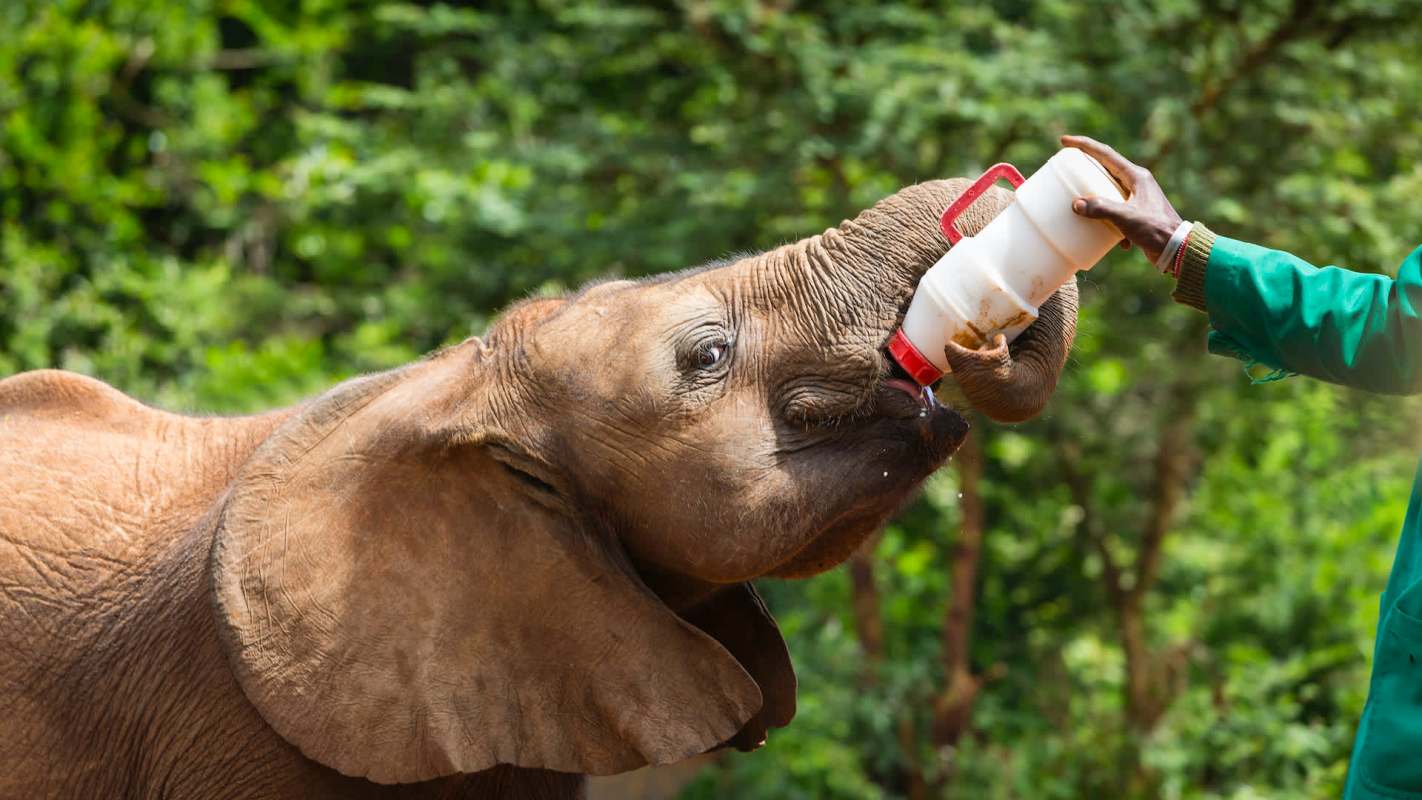
A forested stretch outside Chennai, India, is offering a second chance to some of Tamil Nadu's most vulnerable elephants at the Elephant Rescue and Rehabilitation Centre in Marama Reddy Palayam, where abused, neglected, and retired captive elephants are being cared for in a setting designed to restore comfort, movement, and dignity.
Here's what to know
Since opening in 2019, the Tamil Nadu forest department's sanctuary has helped rehabilitate more than a dozen elephants rescued from captivity, according to The Times of India. The site covers 49 acres (20 hectares) of reserve forest off the Trichy-Chennai National Highway, about 22 miles (35 kilometers) from Chennai.
Current residents include Sundari, 68, Sumathi, 61, Malachi, 38, and Roofali, 24, who were privately owned, as well as Gomathi, 71, a temple elephant rescued from Thiruvidaimarudur Mahalingaswami Temple.
While Elephas maximus indicus is classified as endangered on the IUCN Red List, many elephants in captivity face damaging conditions that can leave lasting physical and emotional harm.
Rehabilitation helps protect individual animals after years of labor or confinement.
More background
When captive elephants lack adequate space, rest, and companionship, serious health problems can follow. Some are kept in chains for 16 to 24 hours a day, which can cause leg wounds, infections, and restricted movement.
TCD Picks » Quince Spotlight
💡These best-sellers from Quince deliver affordable, sustainable luxury for all




The surface beneath them can add to that damage: hard flooring is associated with foot rot, cracked nails, abscesses, arthritis, and deformities. For such large and social animals, those issues can make ordinary life painfully difficult.
Better treatment of captive animals can influence how institutions and owners approach animal welfare and help communities move away from practices that normalize suffering.
The center combines conservation and compassion in its care for captive elephants.
What's being done?
Tamil Nadu's forest department created a dedicated rehabilitation space where rescued elephants can live in a more natural setting. Its expanse of reserve forest gives the animals room that many captive elephants lack for much of their lives.
The center's work shows that rescue is not a one-time intervention. Elephants recovering from neglect may need ongoing medical attention, safer surfaces, freedom from prolonged chaining, and opportunities to interact with other elephants.
Rescue and rehabilitation centers can play an important role in raising standards while helping protect an endangered species.
"They become ill and injured if neglected or mistreated," wildlife biologist Sivaganesan Natarajan said of the animals, clearly describing the urgency of that work per The Times of India. "They miss socialization with other elephants for most of their lives. It is important to provide care for them."

Get TCD's free newsletters for easy tips, smart advice, and a chance to earn $5,000 toward home upgrades. To see more stories like this one, change your Google preferences here.