


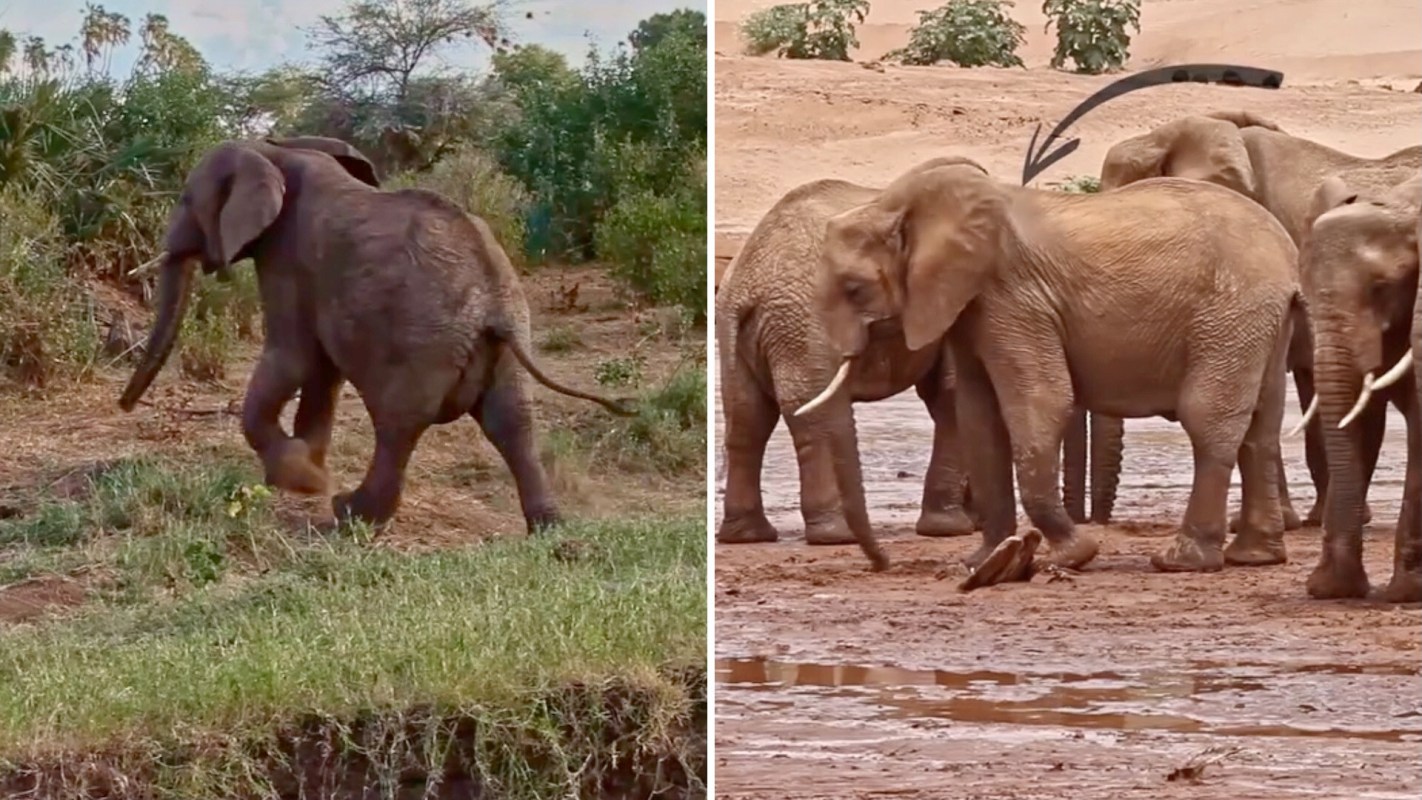
In Kenya's Samburu ecosystem, an elephant named Ringlet endured more than the loss of relatives. After poaching destroyed her family line, she was taken in by a different elephant family in a rare, closely documented case of adoption across family groups.
What happened?
A recent Save the Elephants Instagram post describes how researchers in Samburu watched Ringlet's life take a different turn. "When Ringlet lost her family, the Butterflies, during the 2009–2012 poaching crisis, her story could have ended there." Instead, she gradually became part of the Artists 2 family.
According to Save the Elephants research manager Giacomo D'Amando, Ringlet began spending more and more time with Donatella, the matriarch of Artists 2, after her mother died when Ringlet was 16. Eventually, that bond grew so strong that "Now it's almost impossible to tell apart Ringlet from the rest of the family because they are so merged together."
Ringlet has since had six calves. Save the Elephants says two of them are now adult male elephants that have dispersed from the family, including one male, Jibe, who is still often seen around the park.
Why does it matter?
Ringlet's story shows both the damage caused by poaching and conflict and the resilience elephants can show in response. Elephant families are deeply social, and the loss of close relatives can shape an animal's life for years.
D'Amando also said Ringlet's older brother, Sarara, was later killed in an episode of human-elephant conflict. In his words, "the entire family Ringlet was coming from got disrupted by both natural and human-made events."
TCD Picks » Quince Spotlight
💡These best-sellers from Quince deliver affordable, sustainable luxury for all




Poaching crises can fracture entire family networks, not just reduce population numbers, while conflict with people continues to put pressure on wildlife living near human communities. Conservation is also about protecting the social structures that help elephants survive.
What's being done?
Ringlet's story was documented through more than a decade of observation. That kind of long-term field research allows scientists to record unusual events, such as cross-family adoption, and observe how elephant groups change after traumatic losses.
Save the Elephants is telling that story through its "Meet the Elephants" film series, using field observations to reach a wider public.
D'Amando framed the hopeful outcome simply, saying, "The good thing and the positive message is that Ringlet has found another family" — a small but powerful sign of recovery after devastating loss.

Get TCD's free newsletters for easy tips, smart advice, and a chance to earn $5,000 toward home upgrades. To see more stories like this one, change your Google preferences here.







