


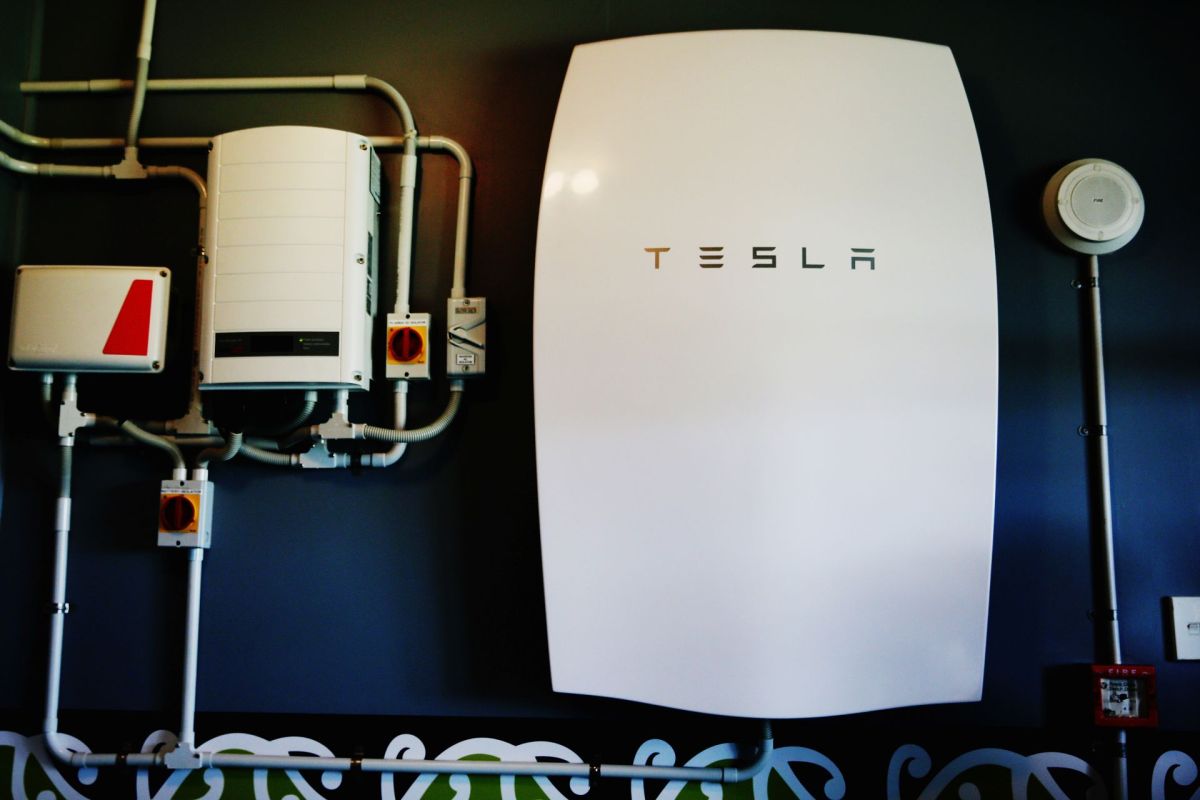
A Wisconsin homeowner shopping for a large rooftop solar setup faced a dilemma while debating the value of adding a Tesla Powerwall. The decision came down to the way their utility priced electricity.
If both the export rate for extra power and the overnight electricity price are 4 cents per kilowatt-hour, does adding a battery make economic sense?
If outages are uncommon, adding a battery is mostly a choice of economics rather than for power backup.
Here's what to know
In a Reddit post, the Central Wisconsin resident said a 14.5-kilowatt roof-mounted array was in the works and that an EV charging study gave the home 0.04/kWh electricity overnight. Keeping that in mind, along with a buy rate of 0.14/kWh and a sell rate of 0.04/kWh, they asked whether adding a single Powerwall 3 was worthwhile.
They added in the r/solar discussion that net metering credits could also be used against the gas portion of the bill and that the planned system was expected to produce about 120% of the household's usage.
If you're also working on solar calculations, exploring EnergySage's free tools can help you compare home battery storage options and competitive installation estimates. EnergySage has teamed up with the electrification brand Qmerit to guarantee you get the best price on home battery storage solutions.
More background
Much of the conversation focused on time-of-use pricing since batteries can become more attractive when electricity costs rise during peak windows.
As one commenter put it, "TOU is when I think batteries start to make sense."
Save $10,000 on solar panels without even sharing your phone number Want to go solar but not sure who to trust? EnergySage has your back with free and transparent quotes from fully vetted providers in your area. To get started, just answer a few questions about your home — no phone number required. Within a day or two, EnergySage will email you the best options for your needs, and their expert advisers can help you compare quotes and pick a winner. Solar panels can save you more than $50k over their 25-year lifespan, and EnergySage can help you save as much as $10k on installation. Which begs the question — isn't that worth an email or two? |

The rate math may look different depending on local rates. One person said their storage was worth $40-60 per month and noted someone nearby made $100 per month "on the TOU plan" plus roughly $200 each year from overproduction.
Not everyone thought the economics were compelling.
One commenter estimated a battery payback period of around 10 years, pointing out the cheaper upfront cost of a generator for a home that only loses power for a few hours a year.
Users also raised concerns about snow, ice, and increasingly severe seasonal weather.
What can be done?
The calculation depends heavily on the utility plan: export credit, off-peak price, peak price, and how often the grid fails. A battery is most attractive when it can store cheap overnight electricity or excess solar and discharge it when grid power costs more.
Adding battery storage is one of the best ways to protect your home during outages, save money on energy, and go off-grid. If a whole-home backup setup is too expensive, smaller systems can still keep essentials running and soften the blow of peak power prices.
For shoppers who want a less expensive entry point, Pila offers excellent battery backup options. Its plug-and-play batteries are priced at a fraction of what whole-home backup systems cost.
"Our grid is generally reliable, but there was a snow/ice storm and a planned repair this spring that caused four- and five-hour outages. The PW3 performed flawlessly. Totally worth it in my opinion," one commenter said. "... You can use the battery for 'peak shaving' and potentially reduce your bill."

Get TCD's free newsletters for easy tips, smart advice, and a chance to earn $5,000 toward home upgrades. To see more stories like this one, change your Google preferences here.







