


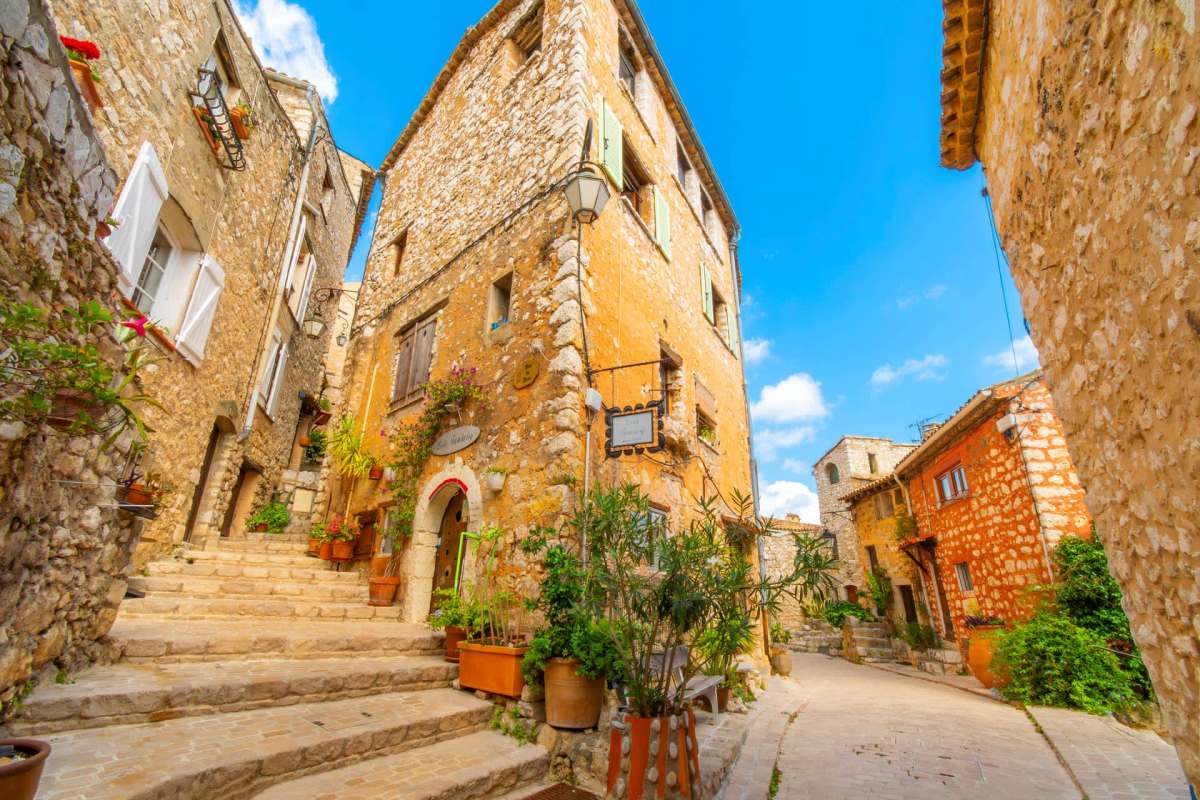
After two properties drained nearly four-fifths of a reservoir used by about 50 homes, the small French town of Tourrettes-sur-Loup is confronting a water-supply problem.
The town urged major cutbacks after the properties drained most of a 150,000-liter reservoir, according to Riviera Radio.
Here's what to know
The reservoir at the center of the issue serves households on Route des Costes and Chemin des Baous. Mayor Frédéric Poma asked residents to skip non-essential water use, such as garden watering, topping off pools, and running sprinkler systems.
The town also fined a gardener who kept watering after being told to stop. Penalties can reach €1,500, with repeat offenses rising to €3,000, per Riviera Radio.
Tourrettes-sur-Loup has about 4,500 residents most of the year, but the coming summer holiday season can push the population to 13,000, adding pressure on the limited supply.
More background
Water systems built for a town's year-round population can struggle once summer crowds arrive, and this illustrates how that strain can show up. Two properties were enough to draw the reservoir down to a small fraction of its capacity, leaving little cushion for the dozens of homes that depend on it.
TCD Picks » Quince Spotlight
💡These best-sellers from Quince deliver affordable, sustainable luxury for all




That kind of shortfall can put drinking water, cooking, cleaning, and sanitation at risk for everyone connected to the system, not just the households responsible for the surge in use. Officials elsewhere in France and beyond have faced similar issues during hot, dry summers, when water demand for pools, lawns, and irrigation climbs as supplies run lowest.
What's being done?
Tourrettes-sur-Loup paired fines for residents who ignore restrictions with an immediate push for conservation to preserve enough water for the community through the holiday season.
Some residents may resent watering limits that leave gardens drier than usual, especially during a stretch when the town's population triples. Officials in other water-stressed areas have tried to ease that friction by promoting drought-tolerant landscaping and native plants, which need far less water than alternatives to stay healthy. Switching to a low-water yard can also cut down on maintenance costs.

Get TCD's free newsletters for easy tips, smart advice, and a chance to earn $5,000 toward home upgrades. To see more stories like this one, change your Google preferences here.







