


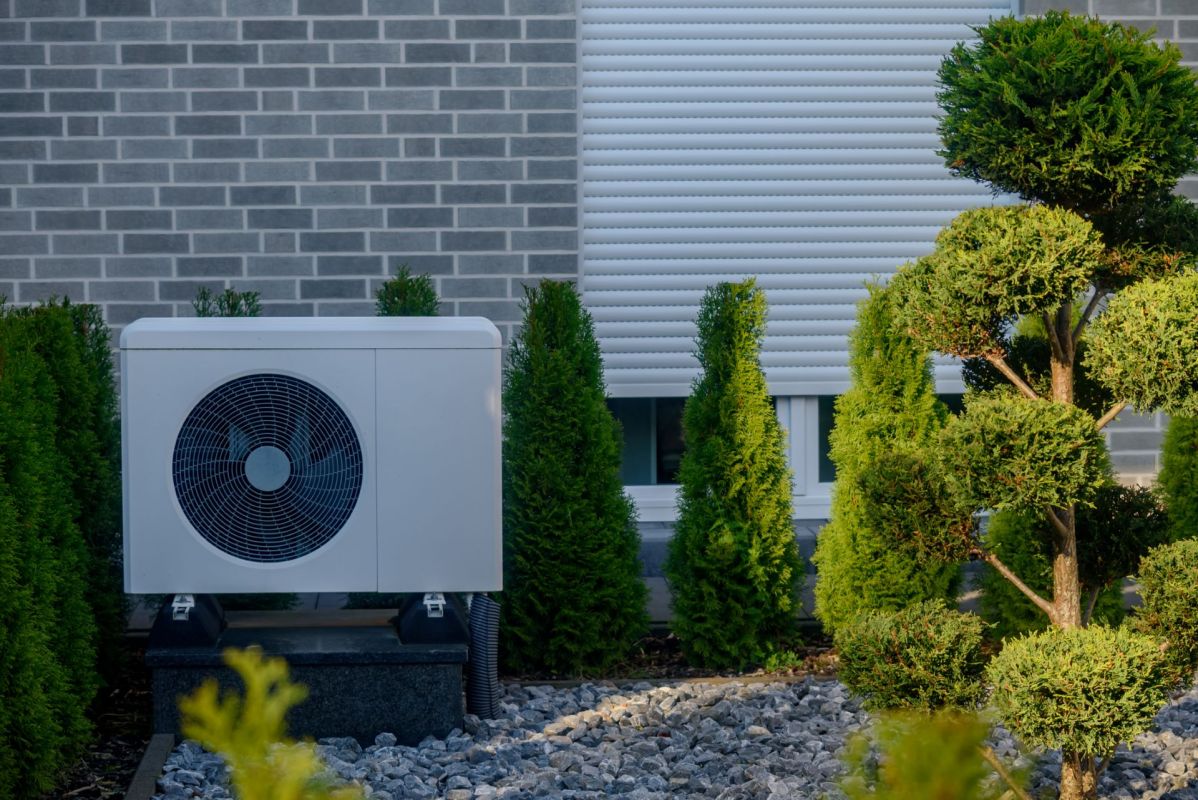
Swapping out an aging air conditioner for a heat pump can make your home more comfortable and dramatically shift your energy bills. Despite the known benefits, some homeowners are still wary of upgrading.
In a recent post, a homeowner took to Reddit to ask whether the high-tech home appliance would actually reduce energy use. In the comments, heat pump owners said a newer system can use less electricity and, for some households, bring cooling costs down by about half.
Here's what to know
After their HVAC system broke down multiple times during the summer heat, a homeowner took to the r/heatpumps forum with a simple question: "Can replacing an old AC with a heat pump actually lower energy use?"
The thread's overall answer was yes, particularly for people replacing aging equipment.
One homeowner wrote, "When I replaced my AC with a heatpump, the increased cooling efficiency over the older system (that wasn't even running at its optimal levels) meant that I cut my cooling costs in half. The system basically pays for itself over a decade or so."
Another commenter said their bill dropped from $600 to $300 per month after upgrading to a heat pump, claiming the new HVAC will "pay for itself in less than a year."
Stories like this are not rare for those who swap an aging system for a highly efficient heat pump. If you're curious about how much you can save with an upgraded HVAC, connect with the experts at Palmetto to better understand your options and slash your energy bills.
Palmetto's Comfort Plan network can help you find efficient heating and cooling options and connect you with vetted installers in your area.
Crushed by your bills? See instant solar savings from vetted installers in just a few clicks With energy prices through the roof, there's never been a better time to go solar — and EasyHome can help you find the best prices from the best installers in your area. EasyHome takes the guesswork and headaches out of energy upgrades by showing you estimated savings from a network of vetted local partners. To get started, just enter your ZIP and share a few details about your home — seeing your estimate is really that easy. |

More background
People in the discussion noted that lower bills are not guaranteed just because a system is a heat pump. For summer use, the main advantage often comes from replacing an old, inefficient unit with a newer one that cools more efficiently.
The kind of system you choose can shape the savings, too. Mini-splits may save more when you only cool the rooms you use, while central heat pumps can still reduce energy use across an entire house. Winter savings are less predictable: heat pumps usually beat electric resistance heat, but whether they are cheaper than natural gas depends on local energy prices and cold-weather conditions.
If you're looking for more efficient HVAC but aren't ready to spend upfront, the Comfort Plan offers $0-down options that can lower your heating and cooling costs by up to 50% and include 12 years of free maintenance.
You can push those savings even further by pairing electric appliances, such as efficient HVAC systems, with solar panels. Another company, EnergySage, makes it easy to find the best solar system and installer for your home and budget, saving you up to $10,000 on installations.
Before committing, gather a year of utility bills and ask for estimated operating costs, not just equipment prices. That can give you a clearer picture of payback time and help you choose a system that lowers your monthly bills instead of simply shifting when you pay them.

Get TCD's free newsletters for easy tips, smart advice, and a chance to earn $5,000 toward home upgrades. To see more stories like this one, change your Google preferences here.






