


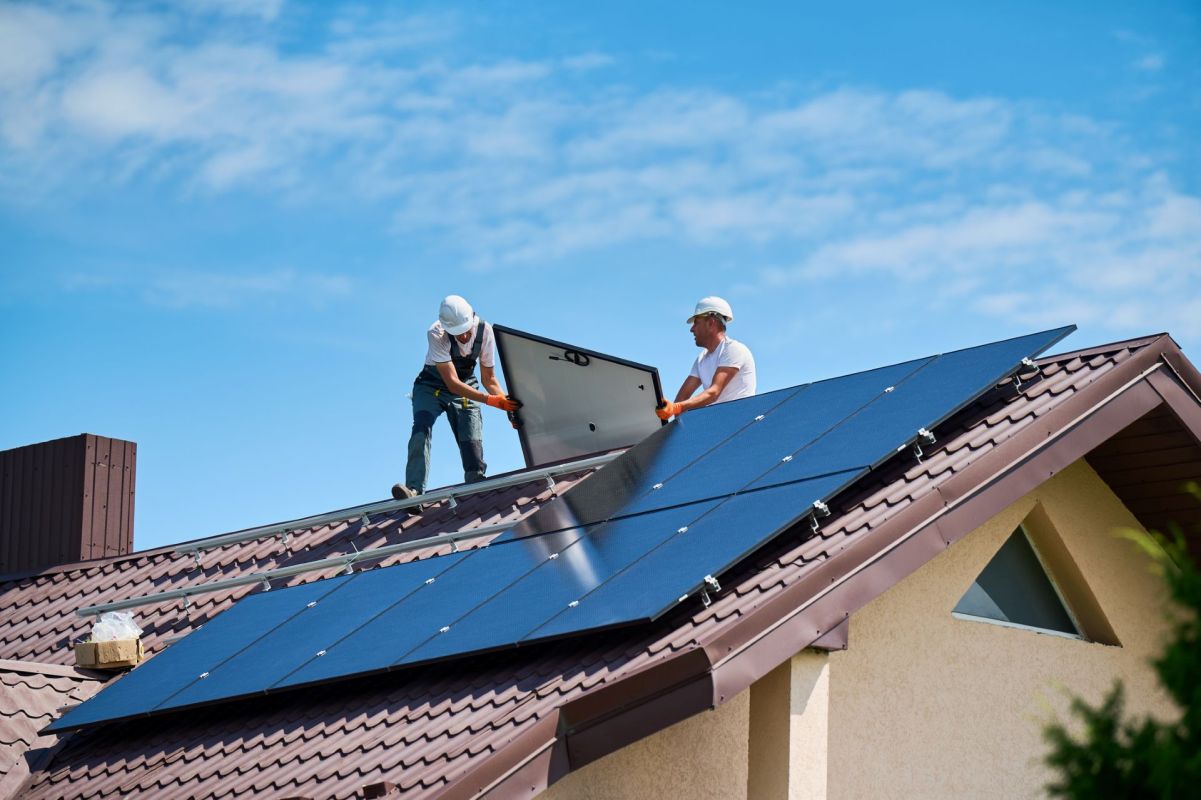
A solar loan is supposed to make a money-saving home upgrade easier to afford. But for one buyer, the financing math made them feel like they were getting taken advantage of.
After doing the math and seeing a large gap between the cash cost and the financing cost, the homeowner was left wondering: Can a contract still be challenged once the total final repayment starts to look wildly inflated?
Here's what to know
A buyer on r/solar took to Reddit to ask whether anyone had "successfully fought their solar contract," saying that "the cash price and the financed price in my contract seem very far apart, and I sense being taken advantage of."
The buyer said that a $27,000 financed amount would result in more than $40,000 in repayments after the reamortization. In another comment, the poster wrote: "financing 27k to pay back 40k+… that math troubles my mind."
Several replies said the gap likely stemmed from dealer fees associated with a low-rate solar loan. As one commenter put it, "Yep, sounds like you're paying dealer fees to get that interest rate." Another noted that "Dealer fees aren't lending fees so they didn't fall under truth in lending TILA disclosure requirements."
Solar can lower electricity bills and reduce a homeowner's exposure to utility rate hikes, but savings can evaporate if the financing structure pushes the total cost far above the system's cash price.
TCD Picks » Quince Spotlight
💡These best-sellers from Quince deliver affordable, sustainable luxury for all




More background
Solar itself can be a smart electrification move for homeowners, especially when it replaces expensive grid power with lower-cost energy generated at home. Still, the value depends heavily on the contract.
According to commenters, the 3.99% rate may have been paired with dealer fees that were rolled into the amount financed. That setup can make the monthly payment look more appealing, but it can also significantly increase the total amount repaid over the life of the loan.
One commenter offered a blunt assessment: "While this isnt really considered best practice or transparent, this is typical and won't fall under shady or nefarious either."
The savings pitched during a sales presentation may not tell the full story. If a system's repayment climbs from $27,000 to $40,000 or more, homeowners need to compare those numbers with projected electric bill savings to decide whether the deal still makes financial sense. Also, looking at the total payback cost rather than just the monthly cost can help.
What can be done?
Before signing, buyers can compare the cash price, financed price, interest rate, loan term, dealer fees, and any prepayment terms side by side. They can also ask whether there are alternative loan packages with fewer built-in fees, even if the interest rate is higher.
For shoppers still in the research stage, EnergySage offers tools to compare solar quotes. That can make it easier to spot pricing gaps before signing a contract.
For people who have already signed, timing and location may shape their options. Commenters said some disclosure-related consumer-protection rules differ by state, so what can be done may depend on where the contract was signed and how much time has passed.
Solar's financial upside depends on transparent contract terms. Taking into account all the numbers for both long- and short-term costs can provide the best financial picture.

Get TCD's free newsletters for easy tips, smart advice, and a chance to earn $5,000 toward home upgrades. To see more stories like this one, change your Google preferences here.






