


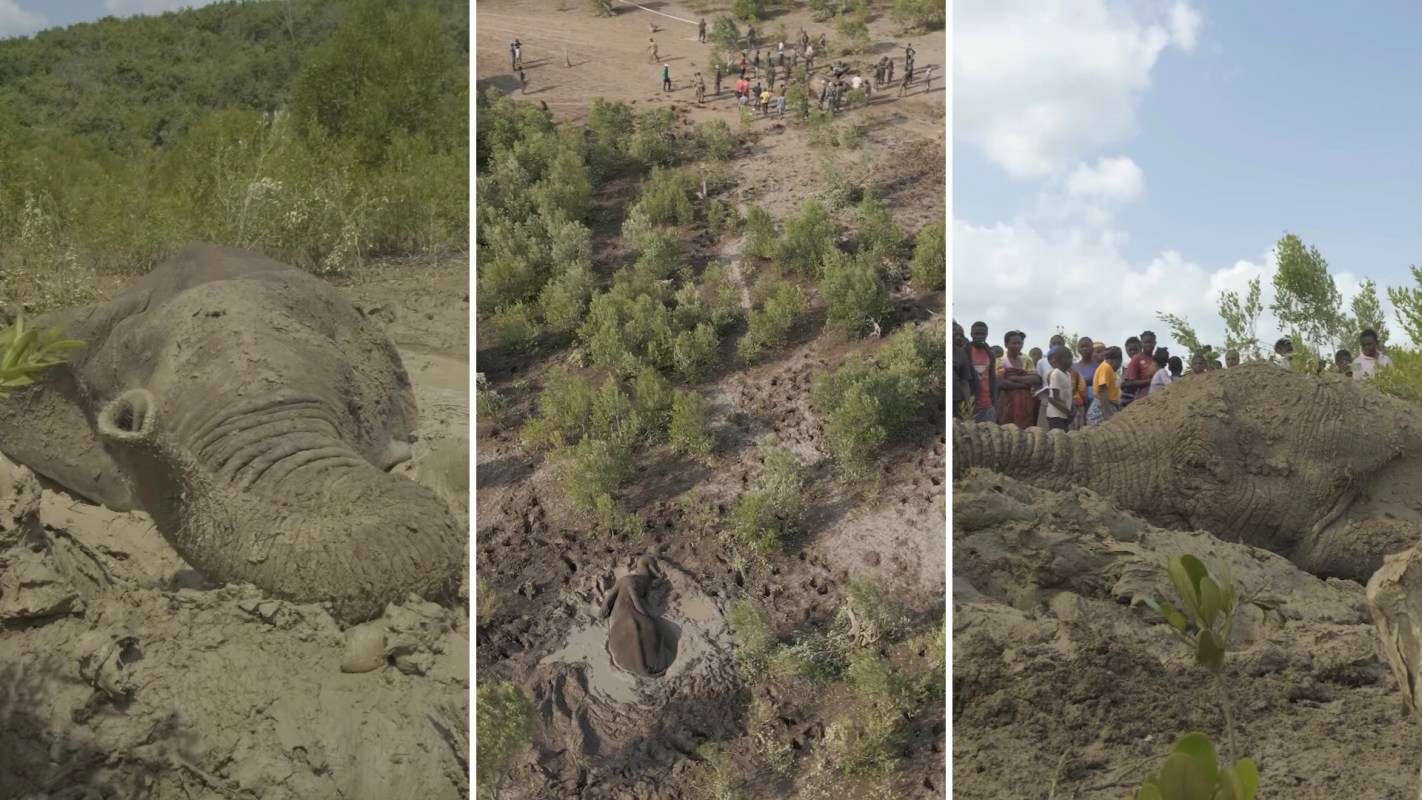
The toughest wildlife rescues aren't tidy, straightforward operations. In a new social media post drawing hundreds of thousands of reactions, the Kenya-based Sheldrick Wildlife Trust (@sheldricktrust) offered a close-up look at the exhausting, high-stakes work required when a massive animal needs help quickly.
Here's what to know
In the post, the trust described a four-day rescue of an elephant, seemingly from the mudflats off Kilifi Creek.
"This is elephant conservation in action: moving mountains to save a life and secure a species' future," the group wrote.
Pointing to habitat loss, severe drought, and poaching as risks to the animals, the post argues that protecting elephants now involves more than setting aside land and hoping that will be enough.
The trust said that last year it had to move nearly 400 elephants off community land and back to safety, with 260 receiving treatment for injuries in the field. The trust also supported 17 rescues involving elephants trapped in dams, wells, and mud.
More background
Sharing this example, the Sheldrick Wildlife Trust presents conservation work not as an abstract idea, but as difficult, on-the-ground labor that can demand speed, skills, equipment, and coordination.
TCD Picks » Quince Spotlight
💡These best-sellers from Quince deliver affordable, sustainable luxury for all




It also shows how environmental pressures can overlap. As habitats shrink and drought conditions worsen, elephants can be pushed into riskier situations, including closer contact with people or with dangerous terrain and infrastructure.
Elephants help shape the landscapes they move through, and the places they inhabit are often shared with other wildlife and nearby communities. Helping animals avoid injury or return safely to protected areas can support broader ecosystem health.
What's being done?
All of this requires investment in the skilled and dedicated teams that deliver treatment in the field and perform difficult extractions when animals become trapped or stranded.
Veterinary care, transport, monitoring, and landscape protection are among the systems that make such emergency interventions possible.
Meanwhile, organizations reporting metrics such as the number of animals treated and rescues completed can give the public a clearer picture of what conservation work entails.

Get TCD's free newsletters for easy tips, smart advice, and a chance to earn $5,000 toward home upgrades. To see more stories like this one, change your Google preferences here.







