


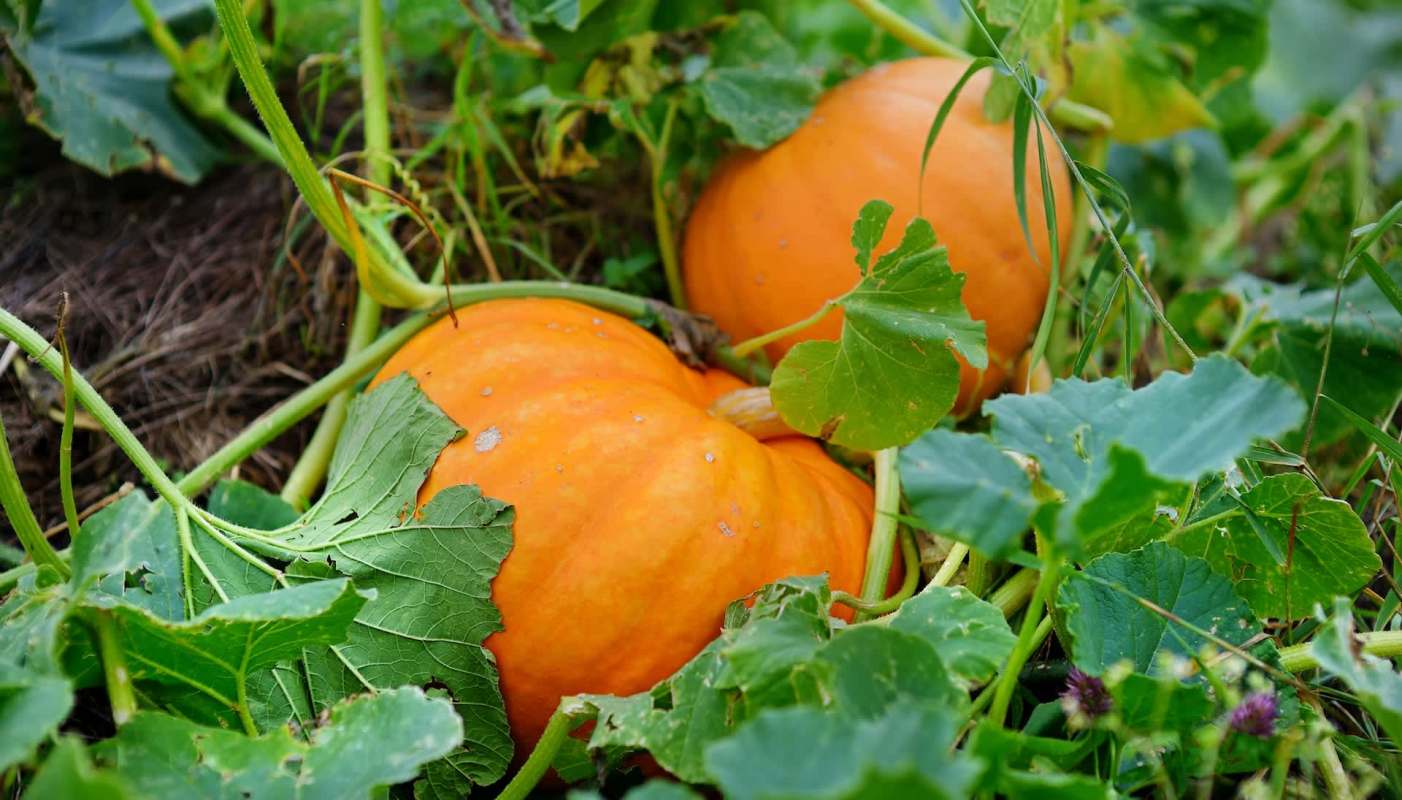
A volunteer pumpkin had nearly ripened just before a groundhog ate it, which created major disappointment for a gardener.
Here's what to know
A volunteer crop, like the pumpkin in this story, is a plant that grew by accident as a natural result of having leftover seeds near the soil. But even when volunteer plants get wiped out overnight, the loss can feel personal.
In a post to Reddit's r/Gardening subreddit, the original poster shared a photo of a pumpkin hollowed out on one side and wrote, "Volunteer pumpkin that I was amazed even made it this far. Groundhog (I assume) ate every part of it that had turned orange."
The gardener joked in the title, "Look at how they've massacred my boy."
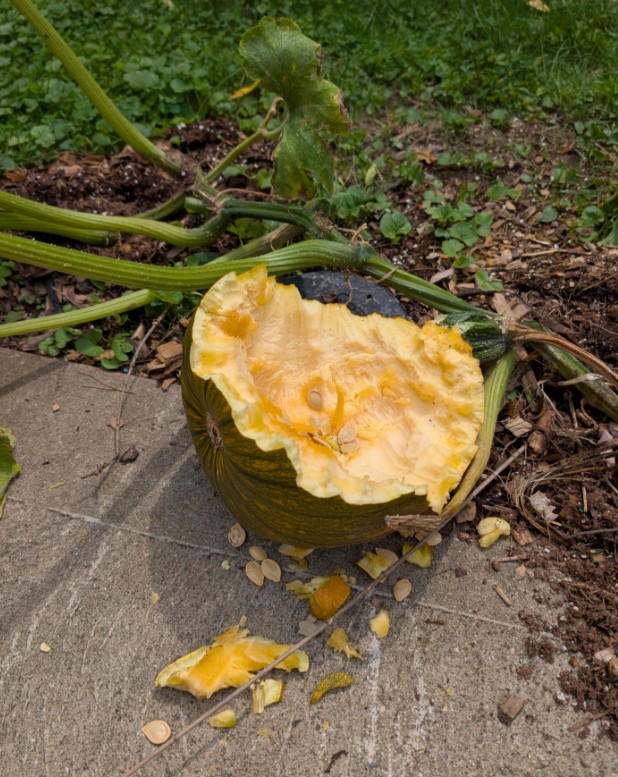
The comments section quickly filled with fellow gardeners sharing similar frustrations.
One commenter replied, "So sorry for your loss. I've had a heartbreaker as well. First ever pink banana squash grew on the outside of the fence and was too big to move when I found it, so I was going to try to fence around it the next morning and found it like this."
TCD Picks » Quince Spotlight
💡These best-sellers from Quince deliver affordable, sustainable luxury for all




"I'm worried this is gonna happen to the volunteer pumpkin I've been babying for the last several weeks," another person added.
The OP replied, "You gotta keep that guy alive for the both of us now."
Other replies mentioned squirrel damage, vine borers, heat stress, which are all frustrating and relatively common problems in backyard gardens.
Why is this important?
Growing food at home also means accepting that wildlife may want a share.
And while no garden can stay completely separate from wildlife, there are ways to reduce the chances of losing produce right before harvest. Physical barriers like fencing, row covers, and strategic placement can help protect vulnerable crops from groundhogs and other animals.
Gardeners can also lower the risk by checking plants often and harvesting as soon as fruits are ripe.
Despite this loss, gardening can still create community. In dedicated discussion spaces like this forum, people who have never met can trade stories and advice when wildlife or heat wipe out a crop.
Home gardening and community gardens can also help households trim grocery bills, especially when produce prices rise. It also gives people access to fruits and vegetables harvested at peak ripeness, which often taste better than shipped store-bought options.

Get TCD's free newsletters for easy tips, smart advice, and a chance to earn $5,000 toward home upgrades. To see more stories like this one, change your Google preferences here.







