


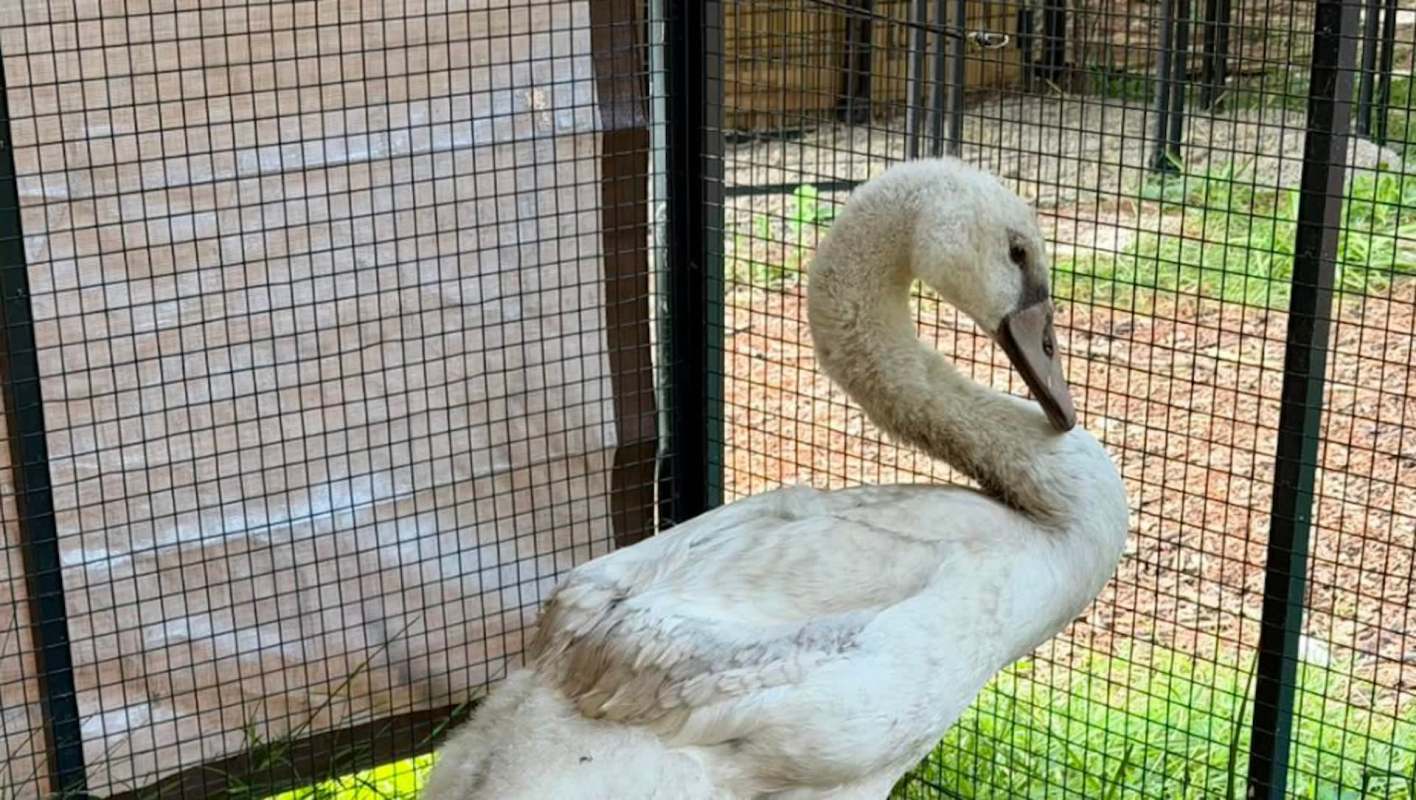
An Indiana wildlife rescue case has become an online flashpoint over more than a single injured bird. Rewilding Indiana said it took in a mute swan cygnet after the animal had been thrown from a car.
That response put two competing concerns side by side: caring for a wounded animal in the moment and dealing with a species considered invasive.
Here's what's happening
The organization shared a photo of Raider on Instagram, identifying him as "a young mute swan - a cygnet," while also anticipating criticism.
"This is probably going to be a controversial post - and that's okay," the caption said.
The post explained that Raider's injuries came from a person, saying he had been thrown from a car.
Why does it matter?
Debates about invasive species are usually discussed in terms of ecosystems and land management, but cases like Raider's make the issue feel much more immediate. For wildlife rehabilitators and rescue volunteers, the animal in front of them is not an abstract policy issue.
TCD Picks » Quince Spotlight
💡These best-sellers from Quince deliver affordable, sustainable luxury for all




Mute swans have been especially contentious because their appearance can make them appealing to the public, even as ecologists warn about their impact. A beautiful animal can still create serious problems in a habitat where it does not belong.
Healthy wetlands support fish, filter water, reduce erosion, and provide space for native birds and pollinators. When invasive animals alter those systems, the effects can ripple through recreation, local biodiversity, and the cost of managing public land.
What can be done?
Injured wildlife should be reported to licensed rehabilitators or local wildlife officials rather than handled without guidance. That is especially important when the animal is large, stressed, or part of a species with legal or ecological complications.
People can avoid releasing nonnative animals, learn which species are problematic in their area, and support habitat-restoration efforts that help native wildlife compete and recover.
Supporting organizations that help local ecosystems or wildlife is another way to help. Additionally, you can volunteer.
Cases involving direct harm from people often start long before an animal reaches a rescue.
The organization said, "I don't care what species you are. If you're thrown from a vehicle or otherwise injured at the hands of a human, I'm going to help you."

Get TCD's free newsletters for easy tips, smart advice, and a chance to earn $5,000 toward home upgrades. To see more stories like this one, change your Google preferences here.







