


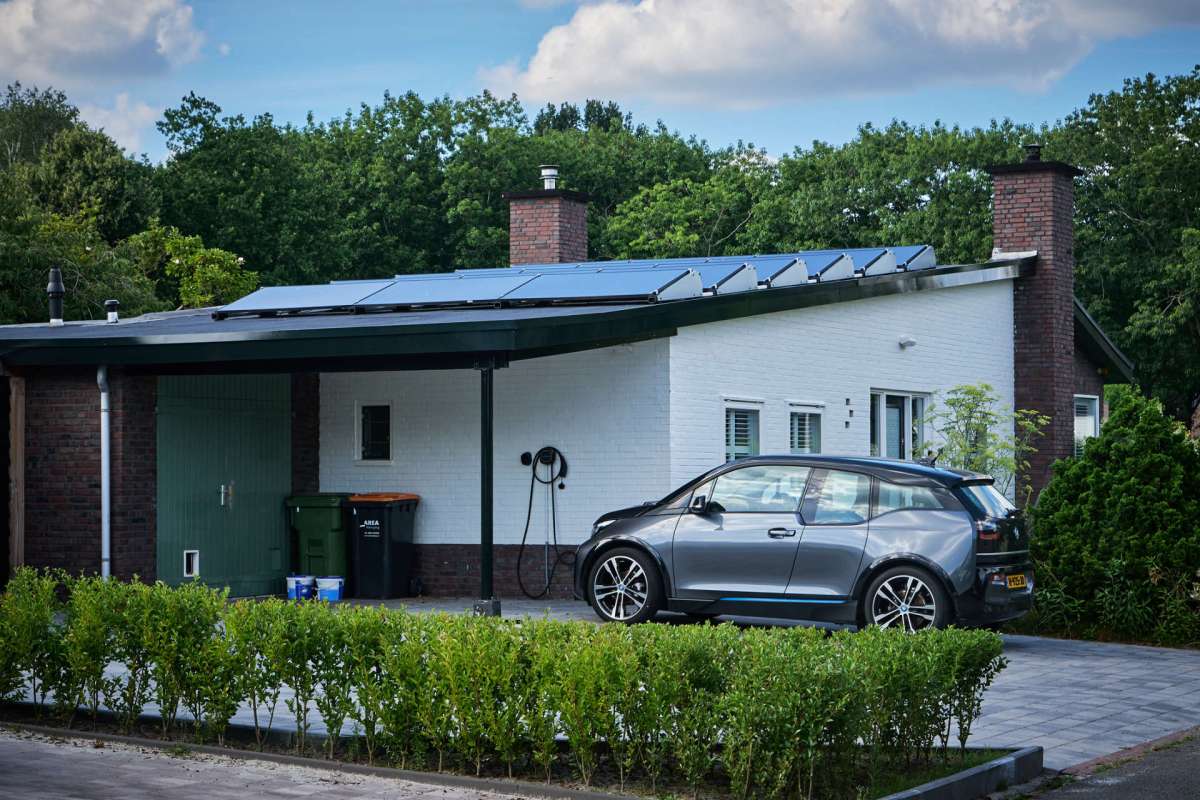
A homeowner with a sizable rooftop solar system wondered how to charge two electric vehicles only when the house is producing more solar power than it can otherwise use.
The idea was to put that extra generation to work without tapping the home's batteries or drawing from the grid, which could maximize the financial payoff from both the solar installation and EVs.
Here's what to know
In a post on Reddit, the homeowner said their setup included 20 kilowatts of solar and two 16-kilowatt-hour batteries, but they were still waiting on approval to export electricity.
That limitation created a backup in the system. "I see my batteries filling up regularly and my production cuts way off," the homeowner said.
Instead of losing that midday solar production, they wanted to direct it into their EVs.
The sticking point was that excess solar is not always enough to support 40-amp charging, and the chargers the homeowner owned — a last-gen JuiceBox and a second-generation Tesla High Power Wall Connector — did not have built-in WiFi or similar smart-control features.
If an EV charges only when rooftop panels are overproducing, those miles can come from electricity the home has generated rather than from grid power.
Going solar is one of the best ways to save money on home energy. If you're considering an installation, EnergySage offers free tools to get quick solar installation estimates and compare quotes.
Save $10,000 on solar panels without even sharing your phone number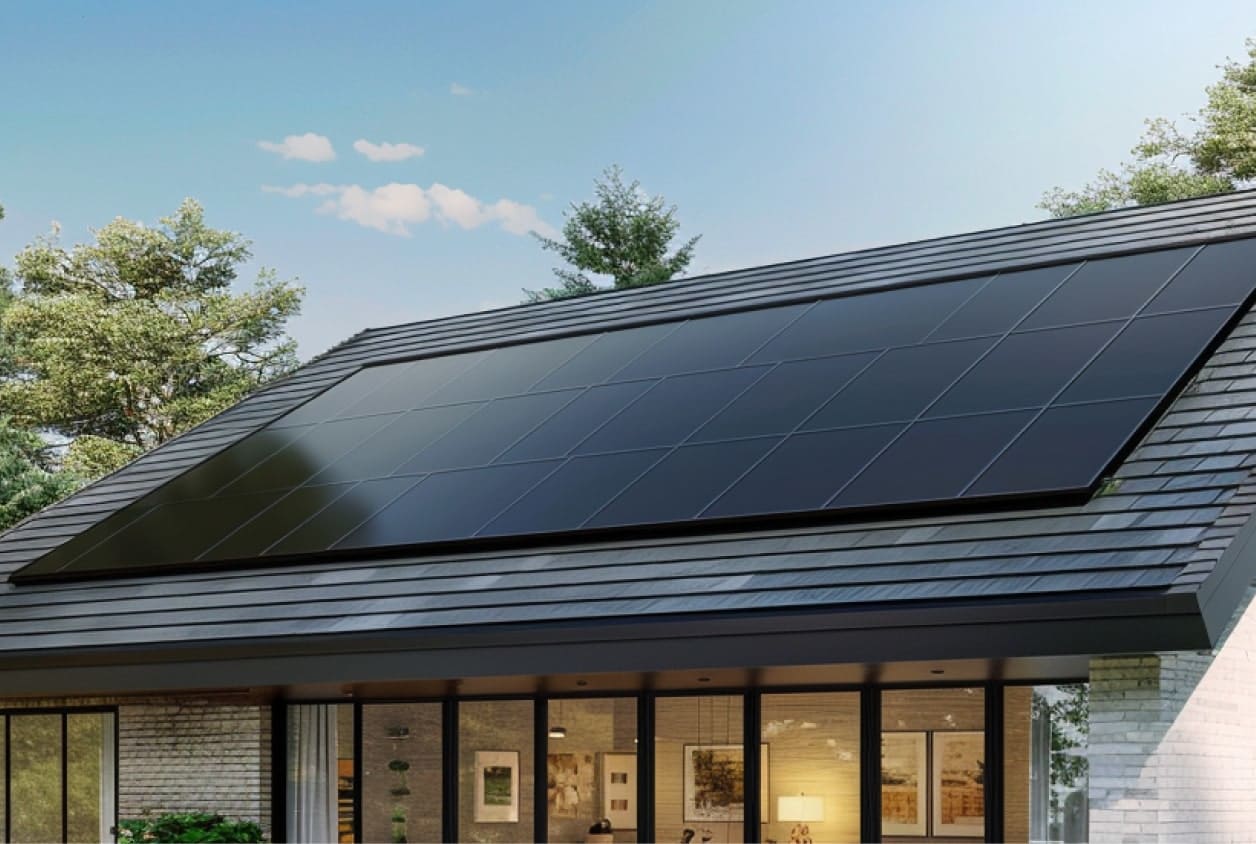 Want to go solar but not sure who to trust? EnergySage has your back with free and transparent quotes from fully vetted providers that can help you save as much as $10k on installation. To get started, just answer a few questions about your home — no phone number required. Within a day or two, EnergySage will email you the best local options for your needs, and their expert advisers can help you compare quotes and pick a winner. |

More background
This kind of question is becoming more common as a growing number of households combine rooftop solar with battery storage and EVs. Once those pieces are in place, many homeowners want the components to work together, using self-generated electricity as efficiently as possible.
However, this can be more challenging than it seems, especially if an export restriction adds another layer of complexity. When a utility has not approved that avenue, a solar array may need to be throttled back.
That can mean losing usable midday electricity unless there is somewhere for that energy to go.
For EV owners, that additional place is an obvious one. Charging an EV from excess solar can reduce fueling costs, cut dependence on the grid, and make better use of an investment that is already installed.
More From EnergySage
💡Go deep on the latest news and trends shaping the residential solar landscape

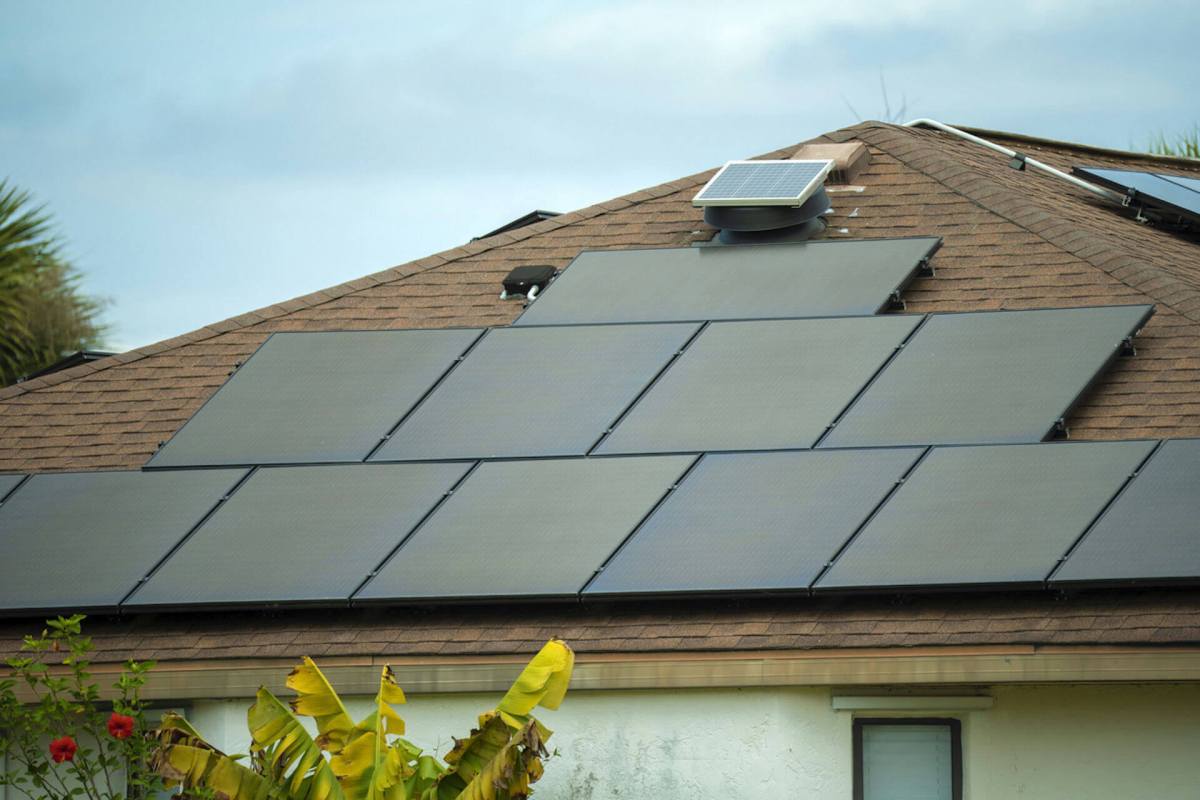

The Redditor's post also points to a practical challenge many homeowners face: Old equipment can work well, but it might not include the communication features needed to change solar output in real time.
What can be done?
For homeowners in this position, the answer is usually smarter energy control. That can mean using an EV charger or home energy management system that can automatically ramp charging up or down based on live surplus solar production.
Combining battery storage with a solar setup can help you protect your home during outages, save money on energy, and go off-grid. If you're comparing options, EnergySage offers free tools to explore home battery storage choices, including competitive installation estimates.
It can also help to research pricing before making any upgrades. EnergySage's solar map shows the average cost of a home solar panel system along with details on solar panel incentives in each state. Together, those resources can help readers get the best price for rooftop solar panels and access available incentives.
EnergySage's free services can be especially useful for homeowners trying to build a more connected home energy setup. For anyone comparing new chargers, additional panels, or battery storage, EnergySage's online tools can make the financial picture clearer. And, with EnergySage's help, the average person can save up to $10,000 on a solar purchase and installation.

Get TCD's free newsletters for easy tips, smart advice, and a chance to earn $5,000 toward home upgrades. To see more stories like this one, change your Google preferences here.






