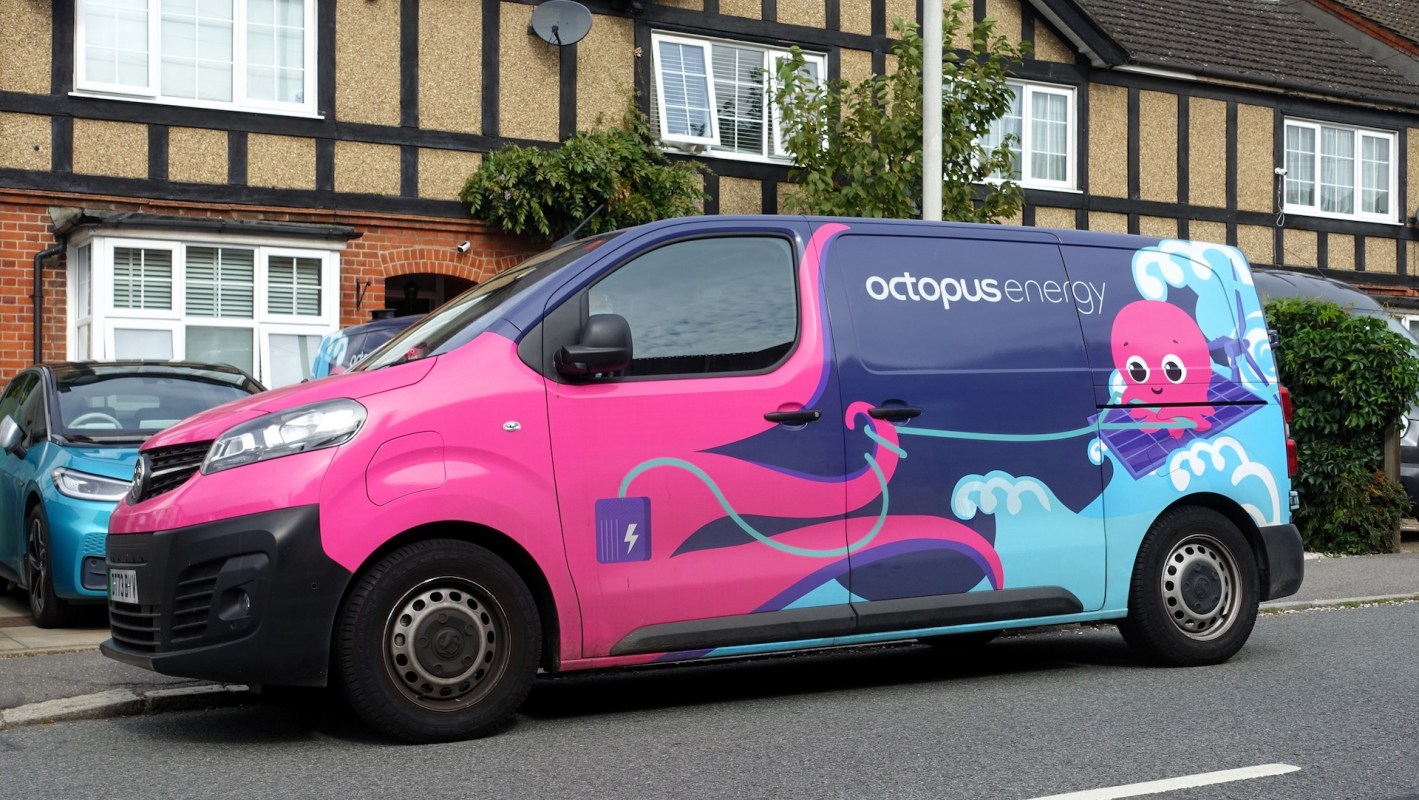
A homeowner in the U.K. said a Tesla Powerwall installation that was expected to happen never did, leaving them out both time and money.
On Reddit, they said they paid a £500 (about $675) deposit, hoping to take advantage of a £350 (about $475) cashback offer from Tesla. However, after being shuffled between multiple representatives with no progress made, the homeowner decided to ask for their deposit back and to look for a different installer.
Here's what to know
The homeowner said that they contacted Octopus Energy in March to inquire about purchasing a Powerwall home battery. They explained that they had initially decided to go with the company because they had been a customer for years. They also believed that the company's timeline would allow them to qualify for Tesla's cashback offer.
However, the original poster said that the initial timeline completely fell apart. Instead of getting the battery installed, they described a lengthy process that ended with them asking for their deposit back and missing out on the Tesla discount.
If you're weighing a home battery purchase, exploring EnergySage's free tools can help you compare your options and get competitive installation estimates before you commit. EnergySage has teamed up with the electrification brand Qmerit to guarantee you get the best price on home battery storage solutions.
More background
Home batteries such as the Tesla Powerwall are often promoted as a practical way to make homes more resilient and less vulnerable to unpredictable electricity prices. Adding battery storage is one of the best ways to protect your home during outages, keeping essential appliances and devices running when the grid goes down.
Further, home batteries can help households lower energy costs by storing cheaper or solar-generated electricity for later use, while giving homeowners more flexibility if they want to reduce their dependence on the grid.
However, in order for homeowners to take advantage of the benefits of a home battery, they must rely on qualified, knowledgeable installers to make their desired setup a reality.
Save $10,000 on solar panels without even sharing your phone number Want to go solar but not sure who to trust? EnergySage has your back with free and transparent quotes from fully vetted providers in your area. To get started, just answer a few questions about your home — no phone number required. Within a day or two, EnergySage will email you the best options for your needs, and their expert advisers can help you compare quotes and pick a winner. Solar panels can save you more than $50k over their 25-year lifespan, and EnergySage can help you save as much as $10k on installation. Which begs the question — isn't that worth an email or two? |

When installers fail to fulfill their commitments in a timely manner, consumers can miss out on incentives and remain exposed to higher utility bills or power disruptions for longer than expected.
The OP's account points to the risks some consumers face in the rapidly growing home electrification market.
What can be done?
Getting multiple quotes before paying a deposit is one step homeowners can take to protect themselves when considering a home battery installation. Consumers may also want to ask installers to put key details in writing, including the installation date, refund terms, equipment model, and any statements tied to rebates or cashback offers.
Additionally, keeping records of emails, payment receipts, and any advertised guarantees can also be useful if a customer later needs to dispute a charge or request a refund.
For homeowners who want backup power but are not ready for a whole-home system, Pila offers excellent battery backup options. Its plug-and-play batteries are priced at a fraction of what a whole-home backup system would cost, which may make them a lower-risk starting point for some households.

Get TCD's free newsletters for easy tips, smart advice, and a chance to earn $5,000 toward home upgrades. To see more stories like this one, change your Google preferences here.