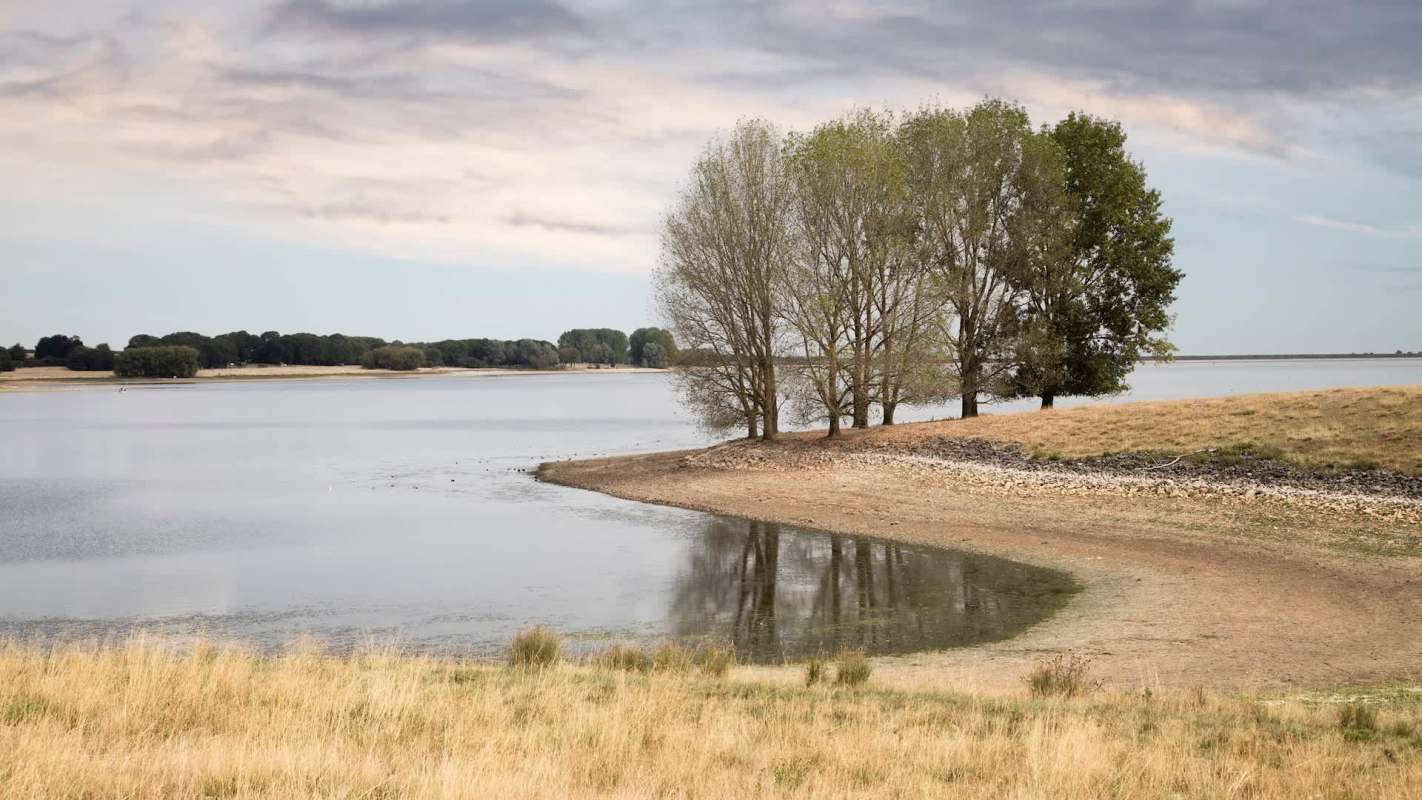
A drought gripping parts of England has exposed the remains of a long-lost village beneath Rutland Water, turning the shrinking reservoir into a stark example of how extreme weather can reshape even familiar landscapes.
As water levels continue to fall, stonework from Nether Hambleton has resurfaced.
The community was torn down before the area was flooded to create the reservoir, ITV News reported.
Here's what to know
The 1970s demolition of Nether Hambleton came after residents there, and in nearby settlements including Middle Hambleton, were relocated.
Remains of lost village discovered under Rutland Water as region declares droughthttps://t.co/kGR22NHauo
— ITV News Central (@ITVCentral) August 11, 2026
ITV News reports that low water levels at Rutland Water in the East Midlands have exposed pieces of the buildings that once stood there.
More than 3,000 acres were eventually submerged to create an artificial lake spanning over four square miles.
TCD Picks » Quince Spotlight
💡These best-sellers from Quince deliver affordable, sustainable luxury for all




Rutland Water was formed by damming the Gwash valley near Empingham; construction ended in 1976, and the flooding process continued for another three years, according to the Leicestershire and Rutland Wildlife Trust.
At full capacity, the reservoir is 112 feet (34 meters) deep.
But after a prolonged spell of dry weather, stone structures are emerging from the water where Nether Hambleton once stood.
The Environment Agency said rainfall in the East Midlands has remained below average.
It also said this spring and summer have been the driest since 1995 and that July was the driest on record.
More background
Officials have declared a drought in the East Midlands, as well as in Northamptonshire and several other areas.
Separately, the Met Office has warned that parts of England could face extreme heat, with temperatures forecast to reach 98.6 degrees Fahrenheit (37°C) or 100.4°F (38°C) in some places.
Worsening extreme weather threatens both lives and livelihoods.
Drought and intense heat increase the risk of dehydration and heat-related illness, strain water supplies, damage crops, and strain ecosystems that nearby communities rely on.
The effects can also ripple through the economy, reducing farming output and driving up costs for households and businesses.
"Drought conditions are worsening and will continue to do so until we see significant and sustained rainfall," warned Tony Grayling, strategic drought lead at the Environment Agency and chairman of the National Drought Group.
What can be done?
Officials are urging residents to cut back on water use where possible so reserves can last longer.
While individual actions alone cannot solve a regional drought, they can help ease pressure on strained supplies as hotter, drier conditions continue.
Practical steps include taking shorter showers, running the dishwasher and washing machine only when full, fixing leaks quickly, and watering gardens more efficiently.
During periods of extreme heat, people can also protect themselves by staying hydrated, limiting strenuous activity during the hottest parts of the day, and checking on older neighbors or others who may be especially vulnerable.
Responding to drought depends on continued monitoring, clear public communication, and careful water management as conditions worsen.
The same dry weather exposing lost buildings is also testing the resilience of farms, rivers, wildlife habitats, and communities across the region.

Get TCD's free newsletters for easy tips, smart advice, and a chance to earn $5,000 toward home upgrades. To see more stories like this one, change your Google preferences here.