


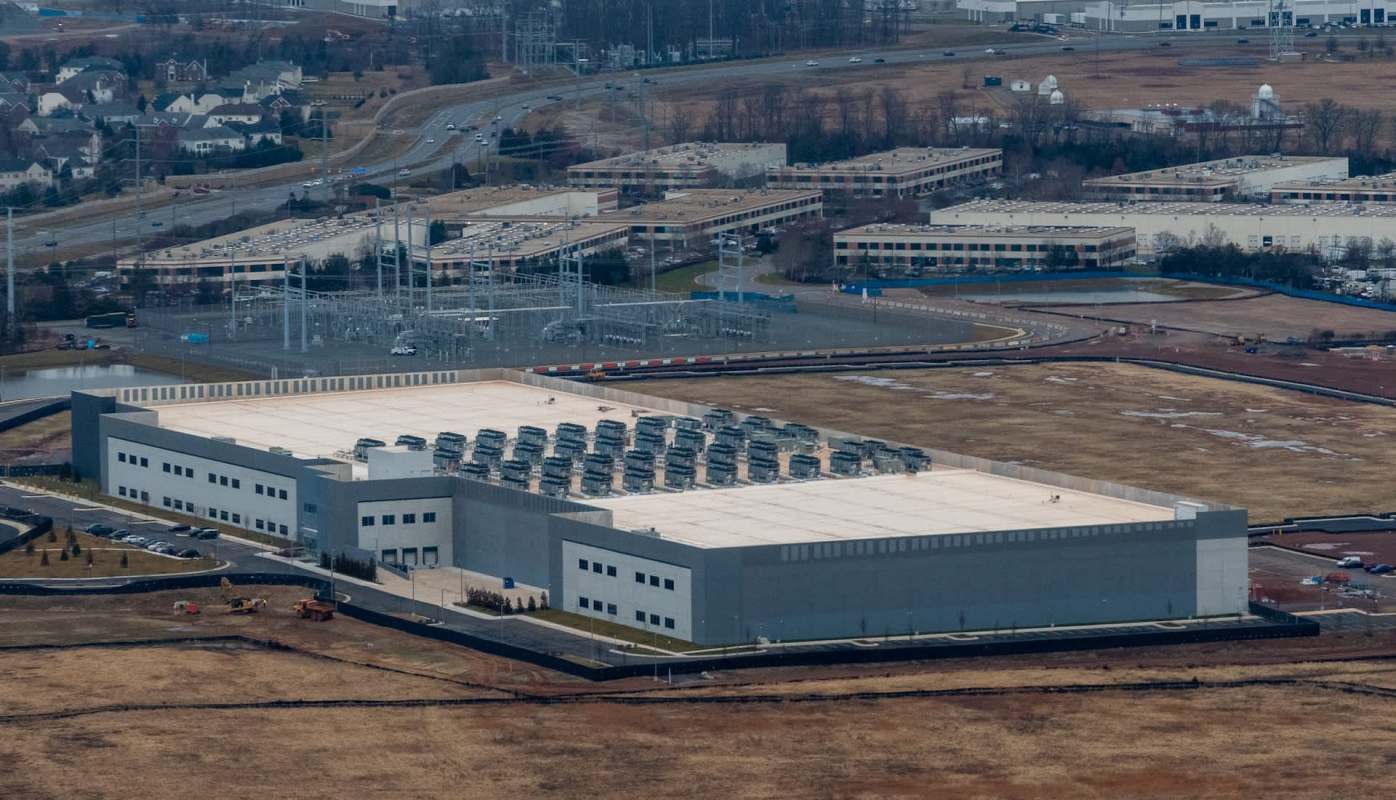
Crestview officials have taken another step toward prohibiting new data center development, indicating the city may view the expanding industry as a poor match for its land-use priorities, public utilities, and long-term growth plans.
In a city trying to guide development around a major bypass corridor, the choice could shape future impacts on residents, businesses, and local infrastructure, Mid Bay News reported.
Here's what to know
At a Crestview City Council meeting, city staff presented a plan to draft an ordinance prohibiting data center development within city limits while addressing potential annexation questions.
According to staff, the issue was raised by Councilwoman Dusty Allison, who did not attend the meeting.
City employees then examined whether Crestview's land development code could be used to exclude data centers and reviewed similar ordinances adopted by other Florida Panhandle communities.
Council members expressed support for pursuing restrictions.
TCD Picks » Quince Spotlight
💡These best-sellers from Quince deliver affordable, sustainable luxury for all




Mayor Pro Tem Doug Capps referenced roughly 1,400 acres of mostly undeveloped land near the bypass and said that development there could eventually require city water, sewer service, and possibly annexation into Crestview.
Mayor JB Whitten said the city manager was seeking permission to prepare the ordinance, and the council agreed to proceed.
More background
Because data centers are typically large projects with heavy utility demands, they influence both nearby land use and the kinds of development a city decides to favor.
Among the issues are whether water and sewer capacity should be kept available for homes and small businesses or allocated to a very large industrial user, and whether land along important transportation corridors should be preserved for projects that would generate more routine jobs or expand housing choices.
People who support data centers often claim that the facilities can deliver tax revenue, construction employment, and technology investment.
Those opposed to outright bans may contend that a total prohibition could cause communities to miss out on economic development.
Cities and counties may conclude that some developments simply are not the right fit in certain places.
The discussion in Crestview indicates leaders want to answer that question before a specific proposal is on the table.
What's being done?
The first step is procedural.
Councilman Sylvester Echols made the motion instructing the city manager to draft a data center ordinance, Councilman Frost seconded it, and the measure passed 4-0 with one member absent.
City staff will now develop a proposed ordinance, drawing in part from similar Panhandle rules and moving it through Crestview's standard ordinance process. That means no ban has been finalized yet, and the proposal could still change before any adoption.
That review process will help determine whether Crestview wants to keep land and infrastructure available for other forms of growth.
The council's vote does not itself impose a ban, but it does move Crestview toward a decision about which kinds of development it wants to encourage — and which kinds it sees as placing too much pressure on land, utilities, and future planning.

Get TCD's free newsletters for easy tips, smart advice, and a chance to earn $5,000 toward home upgrades. To see more stories like this one, change your Google preferences here.






