


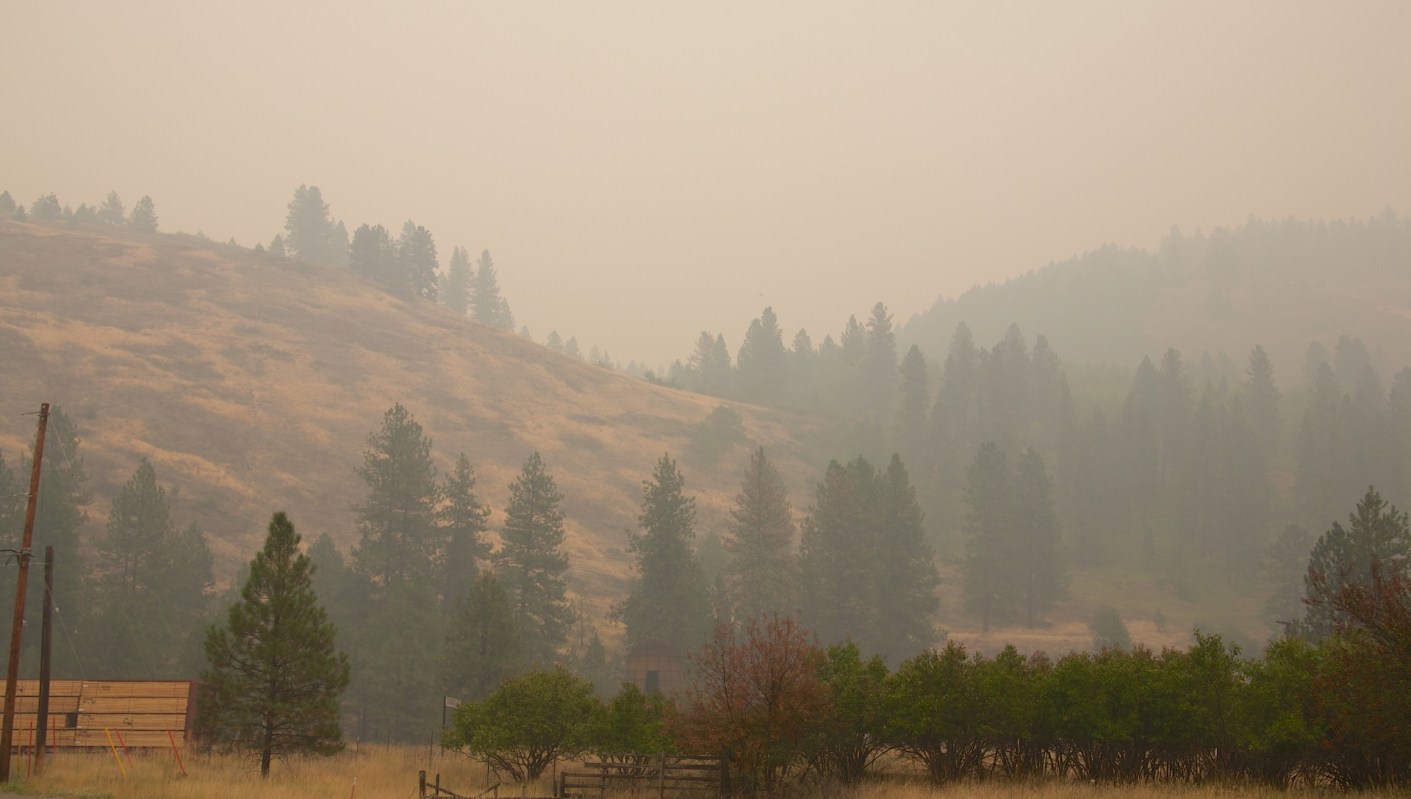
Wildfire smoke can do more than turn a clear horizon hazy.
One Washington homeowner says it also took a significant bite out of their solar panel production, even though both measurements came on sunny, cloudless days with similar temperatures.
Here's what to know
In a post to Reddit's r/SolarDIY community, the homeowner, who lives about 40 miles north of Seattle, shared their August 4 and 5 production data from an 11.5-kilowatt bifacial ground array after smoke from Eastern Washington fires moved into the area.
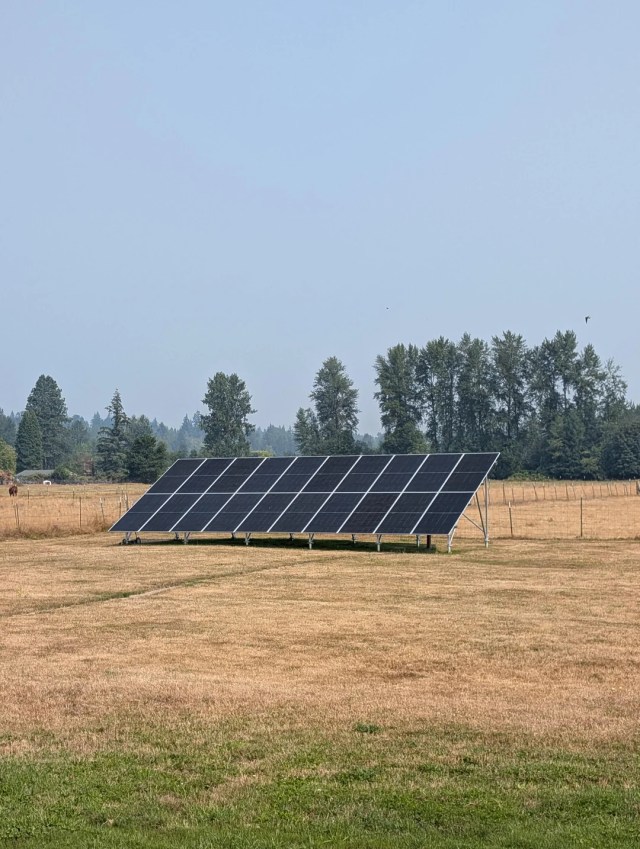
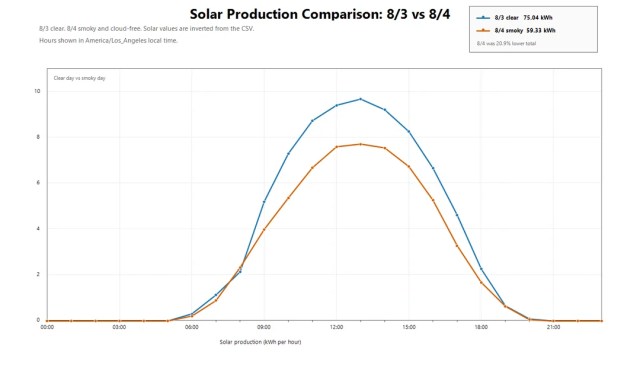
The original poster said that both days were relatively cloudless and had similar temperatures, and the numbers were collected with an Emporia Vue 3.
The results were staggering, showing roughly a 20% drop in total generation on the smokier day.
Smoke does not need to fully block the sun to hurt solar generation. Airborne particles can scatter and weaken sunlight before reaching panels, reducing the amount of energy a system can produce.
The homeowner also added that the system is grid-tied and does not use batteries, a setup that can make daily swings in production easier to spot.
Still, going solar is one of the best ways to save money on home energy. If you're considering panels, EnergySage offers free tools to get quick solar installation estimates and compare quotes. Those who use its free tools can save up to $10,000 on a solar array.
Save $10,000 on solar panels without even sharing your phone number Want to go solar but not sure who to trust? EnergySage has your back with free and transparent quotes from fully vetted providers that can help you save as much as $10k on installation. To get started, just answer a few questions about your home — no phone number required. Within a day or two, EnergySage will email you the best local options for your needs, and their expert advisers can help you compare quotes and pick a winner. |

More background
The post put a concrete number on something many solar owners wonder about during wildfire season: How much output can slip when the sky still looks bright, but the air is full of smoke?
For households using solar to cut utility bills, a 20% decline can mean less day-to-day savings and more electricity pulled from the grid. That can be especially frustrating when panels appear to have ideal conditions from a weather standpoint.
Climate-related disruptions can affect clean energy in complicated ways. Solar remains highly effective, but localized smoke, ash, and poor air quality can temporarily reduce performance even without clouds or rain moving in.
Homeowners who want a better sense of what solar might cost where they live can use EnergySage's solar map, which shows the average cost of a home solar panel system on a state-by-state level, as well as details on solar panel incentives for each state.
More From EnergySage
💡Go deep on the latest news and trends shaping the residential solar landscape

Together, these resources can help readers get the best price for rooftop solar panels and access available incentives.

Get TCD's free newsletters for easy tips, smart advice, and a chance to earn $5,000 toward home upgrades. To see more stories like this one, change your Google preferences here.






