


North Carolina's fast-growing data center industry is meeting stronger neighborhood-level resistance as more residents say they do not want such projects close to home during the AI-driven expansion.
Here's what to know
According to NC Newsline, a statewide survey conducted at the end of July found that 53% of North Carolinians opposed data centers in their communities.
Another 20% supported them, while 27% said they were unsure.
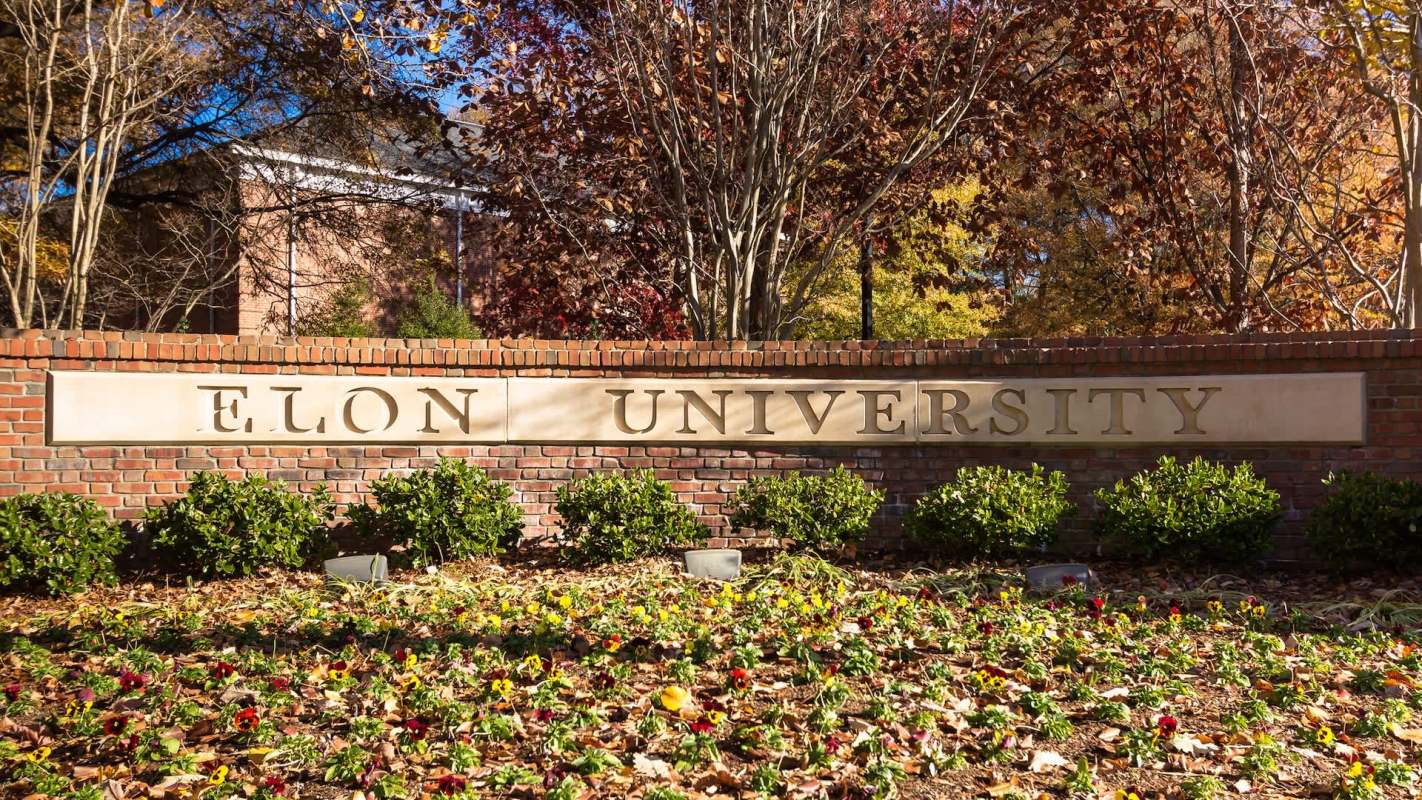
That was a clear change from Elon University's March poll, which found 44% opposed, 24% supportive, and 32% undecided.
Opposition spanned multiple voter groups. Jason Husser, director of the Elon Poll, said the survey showed majorities of Democrats, independents, and women against local data centers, along with pluralities of Republicans and men.
The industry's support numbers fell despite a pro-data-center lobbying group spending $367,272 on a North Carolina advertising campaign focused on the business and economic upsides of data centers.
TCD Picks » Quince Spotlight
💡These best-sellers from Quince deliver affordable, sustainable luxury for all




Husser said the issue carries extra weight because it is unfolding close to where people live.
"It's not just a debate in Raleigh that can be far away for people," he said. "It's a debate in their local county seats."
More background
The poll comes as communities across North Carolina grapple with what large data center projects could mean for land use, power demand, water consumption, noise, and local budgets.
More than 20 local governments in North Carolina have put moratoriums in place on new data center development, while they evaluate the issue and decide which rules should apply to future proposals.
At the same time, some local officials have pushed back against moratoriums, arguing that data centers could generate valuable property tax revenue. The debate has become increasingly visible at county meetings and in city halls across the state.
Data centers support cloud computing, online services, and AI tools that can help optimize electricity systems, improve renewable energy forecasting, and boost efficiency. But they can also consume enormous amounts of electricity and water, strain local infrastructure, raise concerns about pollution and higher utility costs, and fuel broader worries about security, misuse, and unintended social consequences as AI expands.
What's being done?
Many communities appear to be trying to slow the process rather than stop it outright.
Moratoriums can give local governments time to study likely impacts, hear from residents, and write zoning or permitting rules that fit local infrastructure and development goals.
Husser told NC Newsline he was not surprised that the advertising push has struggled to win people over, especially when residents are focused on how projects could affect their own neighborhoods.
Public hearings, planning board meetings, and county commissioner sessions can shape whether projects move forward, what restrictions apply, and how benefits and burdens are distributed.
In cases like this, local rules around water use, energy demand, buffering, and tax agreements can directly affect everyday life.
As Husser put it, "We've seen in the past that grassroots NIMBY movements can move the needle more than significant corporate spending, particularly when people are skeptical of those corporations to begin with."

Get TCD's free newsletters for easy tips, smart advice, and a chance to earn $5,000 toward home upgrades. To see more stories like this one, change your Google preferences here.






