


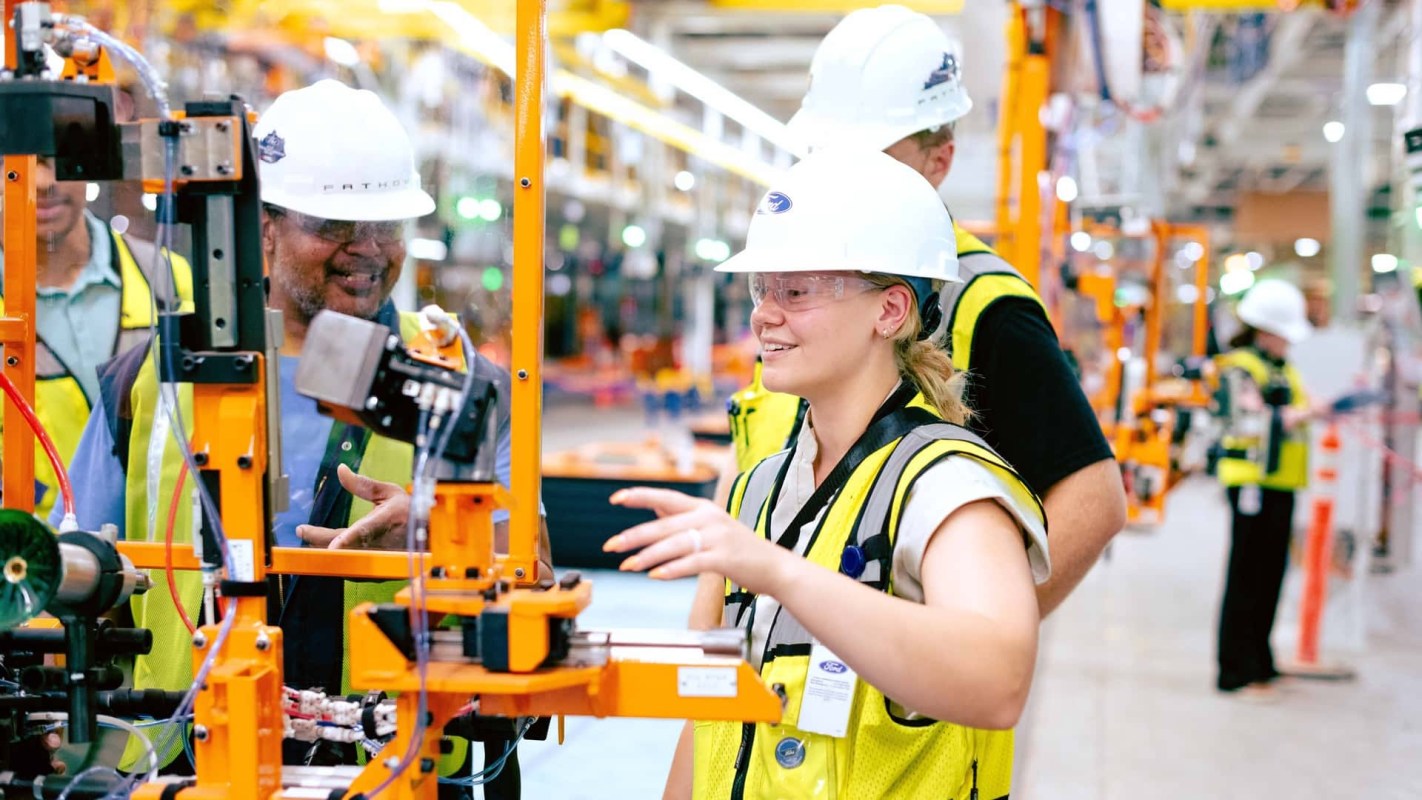
More than 70 years of gas vehicle production at Ford's Louisville Assembly Plant in Kentucky are giving way to a fully electric future.
Ford says the site, one of its longtime manufacturing hubs, is in the middle of a $2 billion overhaul to prepare for the Fathom EV truck.
Here's what to know
On Aug. 13, Ford told InsideEVs that the Louisville Assembly Plant's retooling for Fathom production had been completed, though a later update from Ford confirmed that the conversion was still underway.
Getting the factory ready for EV production meant removing 25,000 tons of older equipment, which was hauled away in more than 2,600 truckloads for recycling. Ford also poured concrete across more than 230,000 square feet of floor space. Before that shift, the plant had been building gas-powered models including the Ford Escape and Lincoln Corsair.
Ford said the redesigned factory will use a new "assembly tree" process rather than relying solely on a traditional moving assembly line. Under that setup, large sections of the vehicle are assembled separately and connected late in the process, with one section holding the structural battery along with the seats, consoles, and carpeting, InsideEVs reported.
The company expects the new process to cut net assembly time by 15%, making jobs easier on workers' bodies and helping catch software issues earlier in production.
TCD Picks » Quince Spotlight
💡These best-sellers from Quince deliver affordable, sustainable luxury for all




More background
Affordable EV production has become one of the biggest questions in the auto industry. Ford has said the Fathom will start at around $30,000, meaning the success of this plant could help determine whether the company can scale up a lower-cost electric pickup.
More EV options can mean more opportunities to save money over time. Electric vehicles typically cost less to fuel than gas-powered cars and usually require less routine maintenance because they do not need oil changes and have fewer moving parts that wear out.
Many drivers are looking into buying an electric vehicle, especially as automakers work to bring prices down. A factory designed for faster, more efficient EV assembly could help support that trend.
Retiring older gas-only production equipment and shifting toward battery-powered models can help reduce tailpipe pollution, especially if EV adoption continues to grow.
What's being done?
Ford's new production strategy is focused on both manufacturing speed and worker comfort. Instead of requiring workers to reach into cramped cabins to install parts late in the process, the company says key components can be added earlier, when the vehicle sections are still easier to access.
Bryce Currie, Ford chief manufacturing officer, said in a statement, "We listened to all the things operators don't like." Ford also says software modules can now be updated and tested before they are installed in the vehicle, reducing the chance that a problem will slow down final assembly.
For drivers thinking about making the switch, charging costs are also part of the equation. Charging an EV at home can cost less than using public chargers, but basic Level 1 charging tends to be slow. Qmerit provides installation estimates for faster Level 2 home charger installations.

Get TCD's free newsletters for easy tips, smart advice, and a chance to earn $5,000 toward home upgrades. To see more stories like this one, change your Google preferences here.






