


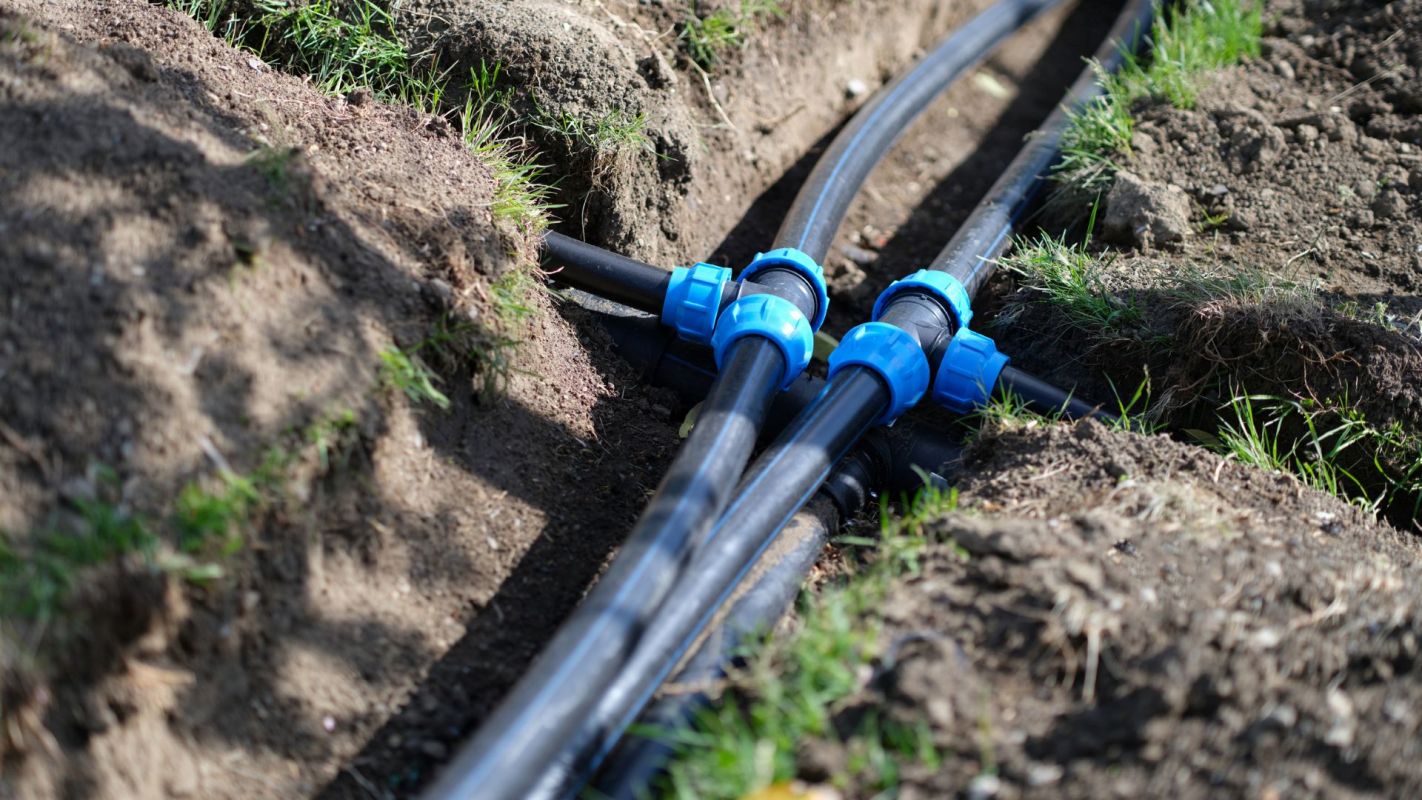
In North Carolina's Pender County, more than 1,500 residents who paid upfront in the 1990s for future water access still have no service, and county commissioners are considering whether to refund them.
The dispute in Pender County centers on public trust, infrastructure, and what communities are owed when government commitments go unfulfilled, according to WECT.
What's happening?
Residents in still-unserved parts of the county paid fees in the 1990s to hold future water hookups, and commissioners are now weighing possible reimbursement plans — if refunds are issued at all.
Those payments were taken with the expectation that customers could connect after water infrastructure was built, yet the county still has not provided a timetable for when service will reach those areas.
WECT reported that commissioners reviewed three refund methods — automatically sending money back, processing refunds only when residents ask for them, or notifying people that the option exists and letting them decide — after the board's attorney advised adopting one uniform policy.
Commissioners have not settled on an approach.
TCD Picks » Quince Spotlight
💡These best-sellers from Quince deliver affordable, sustainable luxury for all




WECT reported that a tap fee that was $100 in 1990 can now be as high as $3,000, meaning residents who accept refunds could face a much larger bill if service is eventually extended.
Commissioner Jerry Groves said the county's communication with residents had been unacceptable,
He said, "I think it [is] shameful the citizens of Pender County that are waiting on water were never told there is no plans to supply water to them."
Why does it matter?
Reliable water service affects households, property values, and development.
WECT reported that county counsel told the board the county is not considered in breach because the original agreements did not set a deadline for when service had to be delivered.
Residents who take back their original payments may still have to buy in again at much higher rates, and the county has not identified when water lines might reach them.
Commissioner Brent Springer described the issue as part of a broader infrastructure problem.
He said, "I think the county has been grossly, gravely in trouble," while referring to the water contracts and other county agreements.
What's being done?
Springer said he has proposed a resolution and expects a presentation at a board meeting.
He also said, per WECT, that the board may seek help from state and federal officials — including members of the North Carolina General Assembly — to support an infrastructure solution.
Extending water lines to those unserved areas would require millions of dollars. A refund policy may address part of the issue, but it would not eliminate the need for major investment in public water systems that residents have been waiting on since the 1990s.
Springer said residents can go to the county utility office in Burgaw and request a refund, and the county will process those refunds where records exist.
Groves said, "This came to light after I pressed staff to be honest."
Springer added, "In a way that because they paid it and they were, quote-unquote, from my understanding, promised to get water, you know, we have to do the right thing."

Get TCD's free newsletters for easy tips, smart advice, and a chance to earn $5,000 toward home upgrades. To see more stories like this one, change your Google preferences here.







